

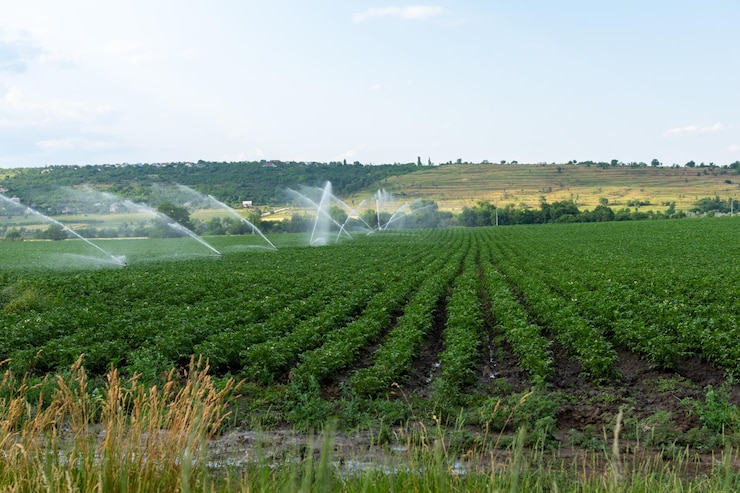
Farm investment in South Africa continues to attract local and international investors because the sector supports food security, exports, and rural development. Agriculture plays a central role in the country’s economy and provides steady demand across local and global markets. Investors see farming as a long term asset class that combines land value growth with production income. Climate diversity across provinces allows different types of farming to succeed at scale. Demand for staple foods, fruits, livestock, and processed goods remains strong throughout the year. Government and private sector programs also support agricultural expansion and modernization. These factors create multiple entry points for new and experienced investors.
South Africa offers a wide range of agricultural investment options that suit different budgets and risk levels. Crop farming remains one of the most common entry points, with maize, wheat, soybeans, and sunflower seeds dominating large scale production. Horticulture also shows strong potential, especially in export focused crops like citrus, grapes, avocados, and macadamia nuts. Livestock farming includes cattle, sheep, goats, and poultry, all of which have steady domestic demand. Investors can also explore agro-processing, which adds value by turning raw produce into finished goods for retail and export markets. Irrigated farming projects tend to deliver higher yields but require stronger capital and water access planning. Mixed farming systems can reduce risk by combining crops and livestock under one operation.
Livestock investment remains attractive because protein demand continues to grow across urban and rural markets. Beef production supports both local consumption and export opportunities, especially in regional trade markets. Poultry farming offers faster turnover cycles and lower entry costs compared to cattle operations. Sheep and goat farming perform well in drier regions where crop production is limited. Crop farming success depends heavily on soil quality, rainfall patterns, and irrigation infrastructure. High value crops like berries and nuts require more technical management but deliver higher margins per hectare. Precision farming tools, including soil testing and satellite monitoring, help investors improve yield efficiency and reduce waste.
Investment in farming also depends on access to land, water rights, and financing structures. Land acquisition in South Africa varies widely based on location, soil fertility, and proximity to infrastructure. Some investors lease land to reduce upfront costs while testing production viability before buying. Water availability remains a key constraint, so irrigation rights and dam access significantly influence farm value. Financing options include commercial banks, agricultural development funds, and private equity partners focused on agribusiness. Risk factors include climate variability, input cost inflation, and market price fluctuations. Insurance products for crops and livestock help reduce exposure to unexpected losses.
Market access plays a major role in determining farm profitability. South Africa has strong logistics networks that connect farms to ports, supermarkets, and regional buyers. Export demand from Europe, Asia, and the Middle East supports high value agricultural products. Compliance with international food safety standards increases competitiveness and improves pricing power. Local retail chains also provide stable contracts for consistent supply of fresh produce and animal products. Farmers who integrate storage, packaging, and transport into their operations improve margins. Value chain participation creates opportunities beyond primary production, especially in processing and distribution.
Starting a farm investment requires clear planning and structured execution. Investors should begin by identifying the type of farming suited to the chosen region and climate conditions. Soil testing, water assessment, and infrastructure evaluation help reduce early mistakes. A detailed business plan should include production cycles, input costs, labor needs, and market channels. Partnering with experienced farm managers or agricultural consultants improves operational success. Technology adoption, including drip irrigation and automated feeding systems, increases efficiency and output. Building relationships with buyers before production starts strengthens cash flow stability.
Farm investment in South Africa offers long term growth potential when managed with discipline and market awareness. The sector combines natural resource advantages with strong demand across food supply chains. Investors who focus on efficient production systems and value addition tend to achieve stronger returns. Risks exist, but they can be managed through planning, diversification, and proper financial structuring. Agricultural opportunities continue to expand as population growth increases food demand. Export markets add further upside for well managed farms that meet global standards. Careful execution turns farmland into a productive and scalable investment asset.
Join 'Farmers Mag' WhatsApp Channel
Get the latest Farming news and tips delivered straight to your WhatsApp
CLICK HERE TO JOIN




