Carbon farming in South Africa is gaining attention as farmers, agribusinesses and policymakers look for ways to improve soil health while generating income from climate focused markets. The system rewards land users for practices that reduce greenhouse gas emissions or increase carbon stored in soil and vegetation. These practices include regenerative grazing, conservation agriculture, agroforestry and improved soil management techniques. South Africa’s diverse climate and large agricultural sector make it well positioned for carbon farming projects. Farmers now see it as both an environmental tool and a possible revenue stream linked to carbon credit markets.
The country’s agricultural landscape offers strong potential for carbon sequestration because of its mix of grasslands, savannas and croplands. Healthy soils can store large amounts of carbon when managed correctly, especially in regions where overgrazing and soil degradation have reduced natural capacity. Farmers who adopt reduced tillage, cover cropping and rotational grazing can slowly rebuild soil organic carbon levels. These improvements also increase water retention and improve crop resilience during drought periods, which are common in many parts of South Africa. Over time, these changes can translate into measurable carbon gains that can be verified and sold in carbon markets.
Carbon credit systems play a central role in turning carbon farming into a financial opportunity. Farmers who adopt approved practices can earn credits based on verified carbon reductions or removals. These credits are then sold to companies and organisations looking to offset their emissions. International voluntary carbon markets and emerging domestic frameworks both offer potential pathways for participation. However, the process requires accurate measurement, reporting and verification to ensure credibility. This often involves partnerships with carbon project developers, agricultural experts and verification bodies who assess soil data and farming practices.
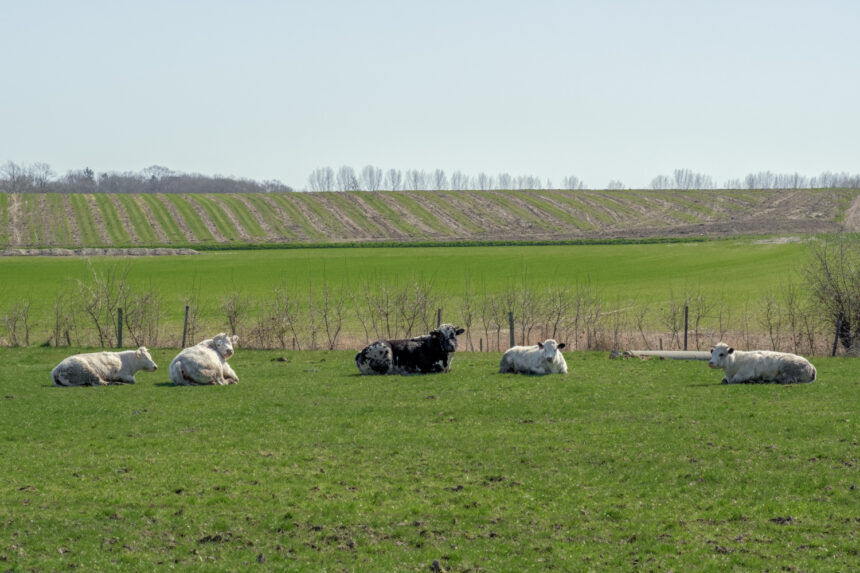
Different farming systems in South Africa can benefit from carbon farming in different ways. Livestock farmers can use rotational grazing systems that prevent overgrazing and promote grass recovery, which increases carbon storage in rangelands. Crop farmers can shift to conservation agriculture techniques that reduce soil disturbance and maintain ground cover throughout the year. Agroforestry systems that combine trees with crops or livestock can also capture significant amounts of carbon while improving biodiversity and providing additional income sources such as fruit, timber or fuelwood. Small scale farmers can also participate if they are grouped into cooperatives or supported through structured carbon projects that reduce certification costs.
Despite its potential, carbon farming in South Africa faces several challenges that need careful attention. Measurement of soil carbon is complex and can be expensive, especially for smallholder farmers who lack technical resources. Market prices for carbon credits can fluctuate, which creates uncertainty for long term planning. There is also a need for clear national guidelines to ensure that farmers receive fair value and that environmental claims are credible. Training and extension services are essential so that farmers understand which practices qualify and how to implement them correctly. Without strong support systems, many farmers may struggle to access the benefits of carbon markets.
Government departments, private companies and agricultural organisations are increasingly working together to expand carbon farming initiatives. Pilot projects are being developed across different provinces to test methodologies and build local expertise. These projects aim to demonstrate that carbon farming can deliver both environmental and economic benefits when properly managed. As global pressure to reduce emissions grows, South Africa’s agricultural sector is likely to play a more active role in climate solutions. With the right policies, funding and farmer participation, carbon farming could become an important part of rural development and sustainable agriculture.
Join 'Farmers Mag' WhatsApp Channel
Get the latest Farming news and tips delivered straight to your WhatsApp
CLICK HERE TO JOIN