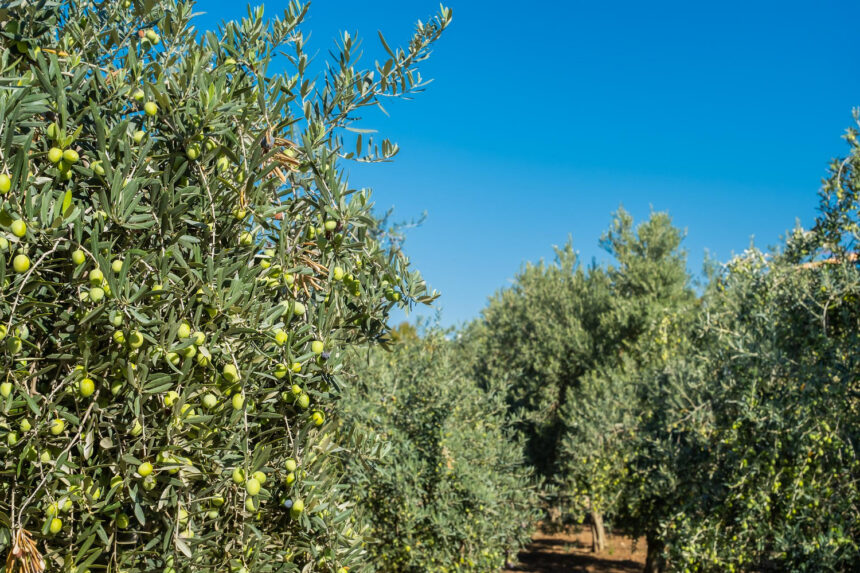
Starting an olive grove in South Africa presents an exciting opportunity for aspiring farmers and agricultural investors looking to enter a growing industry with strong long-term potential. As consumer demand for locally produced olive oil and table olives continues to increase, many producers are exploring olive cultivation as a profitable and sustainable farming venture. South Africa’s Mediterranean-like climate in several regions provides ideal conditions for olive production, making the country well suited for commercial orchards. However, establishing a successful olive grove requires careful planning, patience and a solid understanding of the crop’s requirements. From selecting the right location to choosing suitable olive varieties and managing the trees over time, every decision plays an important role in determining the success of the business.
The first and most important step in starting an olive grove is selecting the right piece of land. Olive trees perform best in areas with hot, dry summers and cool, wet winters, conditions commonly found in parts of the Western Cape and some regions of the Northern Cape, Eastern Cape and Free State. Well-drained soils are essential because olive trees do not tolerate waterlogged conditions, which can lead to root diseases and poor growth. Before planting, farmers should conduct comprehensive soil tests to determine nutrient levels, pH and drainage characteristics. Preparing the land properly by improving soil fertility, removing weeds and ensuring adequate drainage creates a strong foundation for healthy trees that can remain productive for several decades.
Choosing the right olive varieties is another critical factor that influences the productivity and profitability of an olive grove. Different cultivars are suited to different climates, soil conditions and intended markets. Some varieties are primarily grown for olive oil production, while others are better suited for table olives or dual-purpose use. Popular cultivars grown in South Africa include Frantoio, Mission, Coratina, Leccino and Kalamata, each offering unique characteristics in terms of fruit quality, oil yield and disease resistance. Farmers should also consider planting compatible pollinator varieties because cross-pollination often improves fruit set and increases overall production.
Proper orchard design is essential for efficient management and long-term success. Tree spacing depends on the production system being used, but sufficient room must be left for sunlight penetration, air circulation and farm machinery. Installing an efficient irrigation system before planting is highly recommended because young olive trees require regular watering during their establishment years. Drip irrigation is commonly used because it delivers water directly to the roots while minimizing waste and reducing the risk of disease. Planning access roads, drainage systems and storage areas before planting can save significant time and expense as the orchard expands.
Although olive trees are known for their drought tolerance, they still require careful management throughout the growing season. Regular irrigation during dry periods promotes healthy growth and improves fruit production, especially in the first few years after planting. Fertiliser applications should be based on soil and leaf analysis to ensure trees receive the nutrients they need without unnecessary expense. Annual pruning is equally important because it improves air movement through the canopy, encourages new fruit-bearing wood and makes harvesting easier. Farmers should also monitor their orchards regularly for pests and diseases, allowing problems to be identified and treated before they become widespread.
One of the biggest challenges facing new olive farmers is understanding that olive production is a long-term investment rather than a quick source of income. Newly planted trees generally take three to five years before producing a meaningful crop, while full commercial production may not be reached for seven to ten years. During this establishment period, growers must continue investing in irrigation, fertilisation, weed control and general orchard maintenance. Proper financial planning is therefore essential to ensure the business remains sustainable before significant harvests begin. Farmers who prepare for this delayed return on investment are often better positioned to build profitable and resilient operations.
Harvesting methods vary depending on the intended end product and the size of the operation. Table olives are usually harvested by hand to prevent bruising and preserve fruit quality, while olives destined for oil production may be harvested mechanically to improve efficiency. Timing is especially important because the maturity of the fruit affects both oil quality and yield. Once harvested, olives should be processed as quickly as possible to maintain freshness and produce premium-quality olive oil or table olives. Investing in reliable processing facilities or partnering with established processors can significantly improve the value of the final product.
Marketing is another important aspect of establishing a successful olive farming business. Consumers are increasingly interested in locally produced, high-quality extra virgin olive oil and premium table olives, creating opportunities for farmers to develop strong brands. Selling directly to consumers through farm shops, farmers’ markets, online platforms and specialty retailers can improve profit margins while building customer loyalty. Some producers also diversify their income by offering olive grove tours, tastings and agri-tourism experiences that attract visitors throughout the year. Building a recognizable brand based on quality, sustainability and local production can help farmers stand out in an increasingly competitive market.
Starting an olive grove in South Africa requires careful planning, ongoing commitment and a willingness to invest for the long term. Success depends on selecting suitable land, planting the right cultivars, maintaining healthy orchards and implementing sound business management practices. While olive farming demands patience before significant financial returns are achieved, well-managed groves can remain productive for generations and provide a reliable source of income. As demand for locally produced olive products continues to grow, South Africa offers excellent opportunities for new entrants who are prepared to invest in quality and sustainable production. With proper planning and consistent management, an olive grove can become both a profitable agricultural enterprise and a lasting legacy for future generations.
Join 'Farmers Mag' WhatsApp Channel
Get the latest Farming news and tips delivered straight to your WhatsApp
CLICK HERE TO JOIN