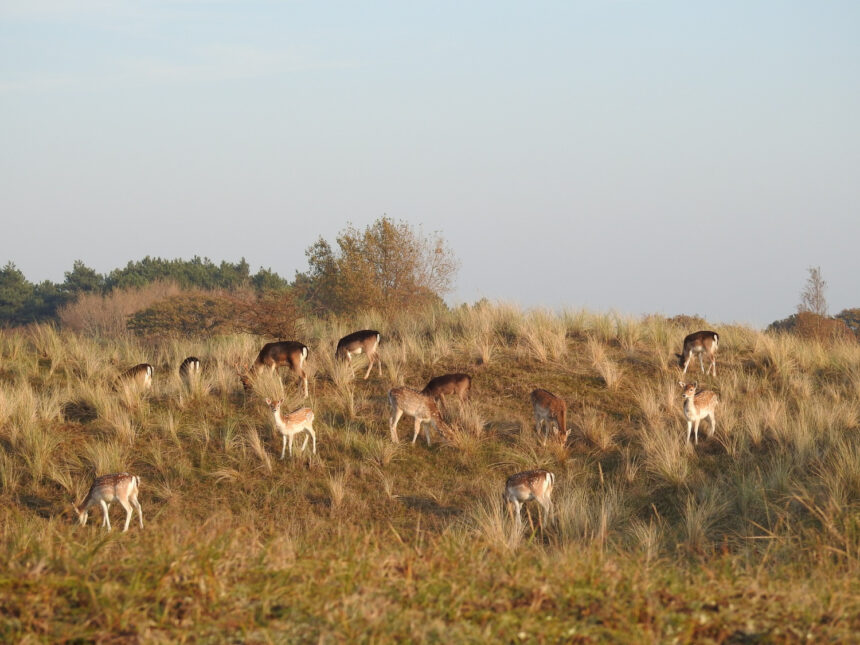
Many farm owners in South Africa are looking for practical ways to diversify income while managing rising input costs and unpredictable weather conditions. One option that continues to gain attention is controlled hunting on private farmland. This practice can generate extra revenue while supporting land management, wildlife control and eco tourism opportunities. When managed correctly, hunting can become part of a broader sustainable farming model that balances agriculture with conservation. It is not about uncontrolled activity, but about regulated use of wildlife resources under strict legal and environmental guidelines. For many landowners, it offers a way to turn natural assets into a structured income stream without changing core farming operations.
In South Africa, hunting on private land is regulated and requires compliance with national and provincial laws. Farmers must ensure that hunting activities follow permits, firearm regulations and conservation rules set by authorities such as the South African Department of Forestry, Fisheries and the Environment. Proper registration of game farms or participation in controlled hunting programmes is often required before any commercial activity can begin. This legal framework ensures that wildlife populations are protected and that hunting does not damage biodiversity. Farmers who ignore these regulations risk penalties and loss of income opportunities. Understanding the legal environment is the first step before developing any hunting based income strategy.
One of the main ways farmers generate income through hunting is by offering paid hunting experiences to local and international hunters. These experiences can include day hunts, trophy hunting or guided wildlife tracking on private land. Hunters typically pay for access, accommodation, guides and harvested game species depending on the agreement. Properties with healthy game populations such as antelope, warthog and other managed species tend to attract stronger demand. Income levels vary depending on land size, wildlife density and quality of facilities. Well managed farms with strong conservation practices often earn higher returns because they offer reliable and ethical hunting experiences.
Another income opportunity comes from game management and wildlife breeding systems integrated into farming operations. Farmers who invest in maintaining balanced ecosystems can support stable wildlife populations that increase long term hunting value. Controlled breeding and habitat management improve the quality of game animals, which can raise the value of hunting packages. Some farmers also combine livestock farming with wildlife systems, using land in a dual purpose model that supports both agriculture and eco tourism. This approach can improve land productivity while reducing pressure on traditional livestock systems. It also encourages biodiversity and healthier ecosystems on farms.
Infrastructure development plays a key role in making hunting a profitable activity. Facilities such as lodges, camps, storage units and guided tracking routes improve the experience for visiting hunters. Many farmers partner with tourism operators to manage bookings, marketing and guest services. This reduces operational pressure while ensuring a steady flow of clients during hunting seasons. Proper infrastructure also increases repeat business and improves reputation in the hunting tourism market. Farms that invest in safety, comfort and professional guiding services tend to perform better financially in the long term.
Environmental responsibility is a major factor in sustainable hunting income. Overhunting or poor wildlife management can quickly reduce game populations and damage future earnings. Responsible farmers follow quotas and work with conservation experts to maintain ecological balance. This ensures that hunting remains a renewable source of income rather than a short term gain. Conservation practices also improve soil health, water retention and overall farm resilience. By aligning hunting with environmental stewardship, farmers protect both their land and their long term financial stability.
Marketing also plays an important role in attracting hunters to South African farms. Many rely on digital platforms, hunting associations and international networks to reach potential clients. Clear communication about available species, pricing, location and services helps build trust with customers. Some farmers also work with established outfitters who connect them to global hunting markets. Reputation is critical in this industry, and ethical practices often lead to stronger demand and long term partnerships. Word of mouth and verified experiences can significantly increase visibility and bookings.
Generating extra income through hunting requires careful planning, legal compliance and strong environmental management. When done correctly, it can become a valuable addition to traditional farming income streams. Farmers benefit not only from direct revenue but also from improved land management and biodiversity conservation. The success of this approach depends on balance between economic goals and ecological responsibility. South Africa’s diverse wildlife resources provide strong potential for this model when managed ethically and professionally. For many farmers, hunting is becoming a practical way to strengthen financial resilience while contributing to sustainable land use.
Join 'Farmers Mag' WhatsApp Channel
Get the latest Farming news and tips delivered straight to your WhatsApp
CLICK HERE TO JOIN