South Africa’s agribusiness sector continues to open new doors for young entrepreneurs who want to build sustainable income while contributing to food security and economic growth. The country has a large agricultural base that supports both domestic supply and export markets, creating opportunities across farming, processing, logistics and retail. Young people are increasingly exploring agriculture as a business rather than only subsistence activity. This shift is driven by rising food demand, new technologies and better access to training and funding support. Agribusiness now offers practical entry points for youth who want long-term, scalable ventures.
One of the strongest opportunities lies in primary production, especially small-scale crop farming and livestock farming. Young entrepreneurs can start with high-demand crops such as vegetables, maize, spinach, tomatoes and onions, which have consistent local market demand. Livestock farming also remains viable, with poultry farming being one of the most accessible entry points due to lower startup costs and faster production cycles. Chicken production, for example, can generate returns within six to eight weeks if managed properly. Access to land, whether through family land, municipal leases or partnerships, plays a key role in starting production-based agribusinesses. Many young farmers also combine crops and livestock to diversify income and reduce risk.
Agri-processing presents another major opportunity for young entrepreneurs in South Africa. Instead of selling raw produce, entrepreneurs can add value by processing food into packaged goods such as dried vegetables, fruit juices, sauces, dairy products or frozen foods. This increases profit margins and reduces losses that often occur after harvest. Small-scale processing units can be started with relatively low equipment costs compared to large industrial setups. Demand for locally processed food continues to grow in urban and township markets. Entrepreneurs who focus on branding, packaging and consistent quality often gain access to retail stores and informal market networks.
Agricultural logistics and distribution also offer strong business opportunities, especially for young people with access to transport solutions. Many farmers struggle to move their products from rural areas to urban markets efficiently. Entrepreneurs can build businesses that connect producers to buyers, including supermarkets, restaurants and informal traders. Cold chain logistics, which involves transporting perishable goods under controlled temperatures, is particularly important for meat, dairy and fresh produce. Even small delivery services using bakkies or vans can grow into structured supply chain businesses. Technology platforms that match buyers and sellers are also becoming more common and open new digital opportunities in agribusiness.
Agri-tech is another growing area that is reshaping agriculture in South Africa. Young entrepreneurs with digital skills can develop or use mobile applications that help farmers access weather data, market prices, farm management tools and advisory services. Drone technology is being used for crop monitoring, pest detection and precision farming, creating demand for technical service providers. Smart irrigation systems and sensor-based farming tools are also becoming more accessible as costs decrease. These technologies help farmers reduce waste, improve yields and make better decisions. Entrepreneurs who combine agriculture knowledge with technology skills are well positioned for future growth.
Access to funding and support programmes is improving for young people interested in agribusiness. Government initiatives, development finance institutions and private sector programmes provide grants, loans and mentorship opportunities for youth-led agricultural projects. Training institutions and agricultural colleges also offer skills development programmes that help young entrepreneurs understand both technical farming and business management. However, access to finance still requires strong business planning and proof of viability. Entrepreneurs who build structured business plans and demonstrate market demand have better chances of securing funding. Partnerships and cooperatives also help reduce startup costs and improve access to resources.
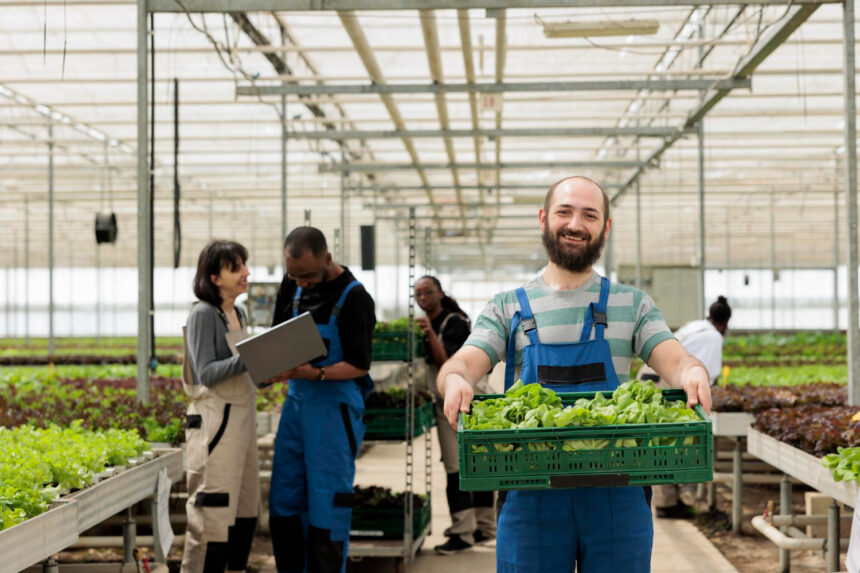
Urban agriculture is another practical entry point for young entrepreneurs who do not have access to large rural land. Hydroponics, container farming and rooftop gardens allow food production in small spaces. These systems use less water and can produce crops throughout the year under controlled conditions. Urban farming also connects directly to local markets such as restaurants, supermarkets and household consumers. It reduces transport costs and allows quicker sales cycles. Many young entrepreneurs start small in urban settings and expand as they gain experience and capital.
South Africa’s agribusiness sector continues to evolve, offering multiple entry points for young entrepreneurs across production, processing, logistics and technology. Success in this sector requires practical skills, market understanding and consistent execution. Young people who treat agriculture as a structured business rather than informal activity are more likely to build sustainable income streams. The combination of rising food demand, technological advancement and support programmes creates a strong environment for youth participation. Agribusiness remains one of the most reliable sectors for long-term growth, job creation and economic transformation in the country.
Join 'Farmers Mag' WhatsApp Channel
Get the latest Farming news and tips delivered straight to your WhatsApp
CLICK HERE TO JOIN