As the fire season approaches, farmers are being reminded that preventing veld fires is one of the most important responsibilities in protecting agricultural livelihoods and rural communities. Uncontrolled fires can spread rapidly across farmland, destroying crops, killing livestock, damaging infrastructure and placing human lives at risk. Beyond the immediate financial losses, runaway fires also leave lasting environmental damage by destroying natural vegetation, reducing biodiversity and increasing soil erosion. Recognising these dangers, the Department of Agriculture, Rural Development, Land and Environmental Affairs (DARDLEA) has intensified its efforts to educate farmers on effective fire prevention and response measures. A recent Veld Fire Capacity Building Workshop in Middelburg highlighted the importance of preparedness, cooperation and early intervention in reducing the devastating impact of veld fires.
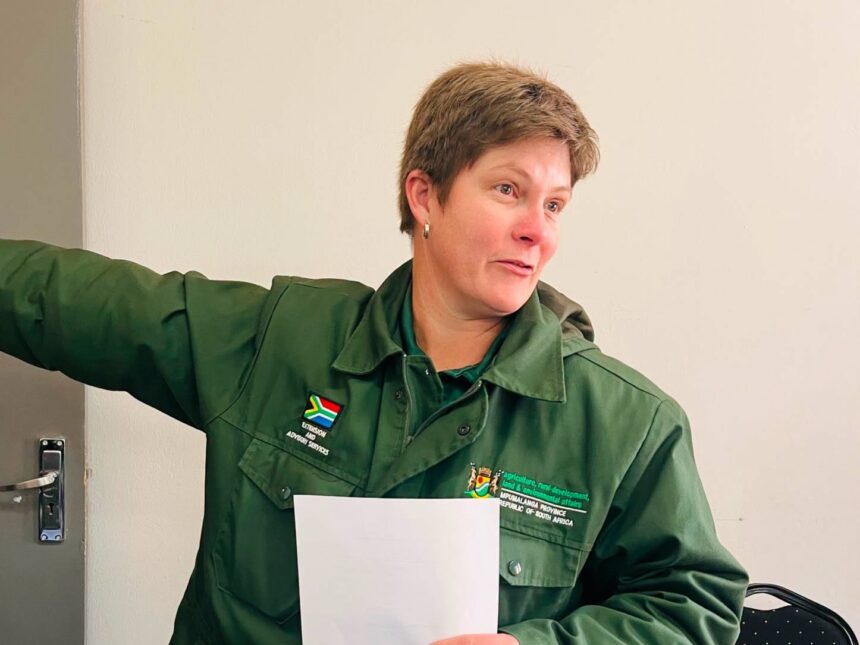
The workshop, held at the DARDLEA offices in Middelburg, brought together farmers and several government stakeholders committed to improving disaster preparedness during the fire season. The initiative was organised by the department’s Disaster Management Section in partnership with the Department of Forestry, Fisheries and the Environment (DFFE), the Fire and Rescue Services of the Steve Tshwete Local Municipality and the Disaster Management Unit of the Nkangala District Municipality. By bringing together experts from multiple organisations, the workshop provided farmers with valuable knowledge on fire prevention, emergency response and risk management. The collaborative approach demonstrated the importance of coordinated action in protecting agricultural communities from natural disasters. Participants also had the opportunity to engage directly with specialists responsible for managing fire-related emergencies.
A key focus of the workshop was raising awareness about the serious consequences of uncontrolled veld fires. Farmers were reminded that a single fire can spread quickly under dry and windy conditions, affecting neighbouring farms and surrounding communities within a short period. Livestock losses, destroyed grazing lands, damaged fences and burnt crops can place enormous financial pressure on farming businesses, particularly smaller operations with limited resources. In addition to economic losses, veld fires often threaten homes, public infrastructure and valuable natural ecosystems that take years to recover. The workshop emphasised that prevention remains the most effective strategy for reducing these risks.
The environmental impact of runaway veld fires was also highlighted during the discussions. Frequent and uncontrolled fires can destroy indigenous vegetation, reduce wildlife habitats and contribute to declining biodiversity across rural landscapes. Burnt soils often lose valuable nutrients and become more vulnerable to erosion, reducing their productivity for future agricultural activities. Smoke from large fires can also affect air quality, posing health risks to nearby communities while contributing to environmental pollution. Protecting natural resources through responsible fire management therefore benefits both agriculture and the wider environment. Sustainable farming practices depend on maintaining healthy ecosystems that support livestock production and crop cultivation.
Farmers attending the workshop were encouraged to strengthen their fire preparedness by implementing practical measures on their properties. Creating and maintaining firebreaks, clearing excess vegetation, regularly inspecting firefighting equipment and monitoring weather conditions can significantly reduce the likelihood of uncontrolled fires spreading. Early detection and rapid reporting of fires are equally important because fast response times often determine whether a fire can be contained before causing extensive damage. Participants were also reminded to develop emergency plans for protecting livestock and ensuring the safety of farm workers during fire incidents. These preventative actions can greatly reduce both financial losses and risks to human life.
One of the strongest messages delivered during the workshop was the importance of joining local Fire Protection Associations. Farmers operating within the Steve Tshwete Local Municipality were specifically encouraged to become members of these organisations to improve coordination during fire emergencies. Fire Protection Associations play a critical role by facilitating communication between neighbouring landowners, emergency services and government agencies. They also provide valuable training, coordinate fire prevention activities and assist with rapid response when runaway fires occur. Membership strengthens community resilience by ensuring that farmers are not left to deal with emergencies on their own.
The workshop also reinforced the importance of partnerships between government departments, municipalities and farming communities in addressing fire risks. Effective disaster management depends on cooperation before, during and after emergencies. Government agencies provide technical expertise, training and emergency coordination, while farmers contribute local knowledge and implement preventative measures on their properties. Working together creates stronger systems for detecting, reporting and controlling fires before they become major disasters. Continued education and awareness campaigns will remain essential as changing weather patterns increase the frequency and intensity of veld fires in many parts of South Africa.
The Veld Fire Capacity Building Workshop in Middelburg served as an important reminder that fire prevention is a shared responsibility requiring vigilance, preparation and cooperation from everyone involved in agriculture. By equipping farmers with practical knowledge and encouraging participation in Fire Protection Associations, the initiative aims to reduce the devastating effects of runaway veld fires on people, livestock, crops and the environment. The partnerships between DARDLEA, the Department of Forestry, Fisheries and the Environment, local municipalities and disaster management authorities demonstrate a united commitment to protecting rural communities during the fire season. As farmers continue implementing the lessons shared during the workshop, they will be better prepared to respond quickly and effectively when fire threats arise. These efforts will help safeguard agricultural livelihoods, preserve natural resources and build more resilient farming communities across the region.
Join 'Farmers Mag' WhatsApp Channel
Get the latest Farming news and tips delivered straight to your WhatsApp
CLICK HERE TO JOIN