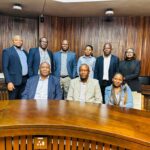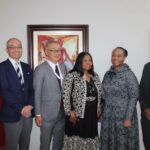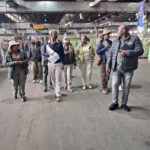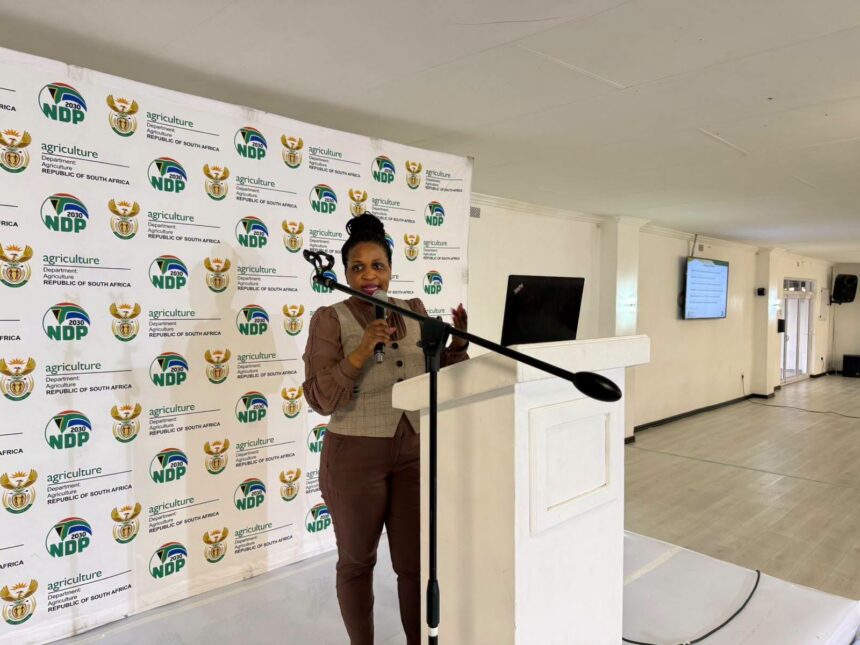
Despite rainy weather, stakeholders in uMzinyathi District gathered in Dundee to participate in consultations on the National Food and Nutrition Security Plan (NFNSP) 2025 to 2033. The engagement formed part of the nationwide consultation process led by the National Department of Agriculture to gather views from communities and stakeholders across South Africa. Taking the consultation process to district level gives local stakeholders an opportunity to discuss the food and nutrition security challenges they experience in their communities. It also allows national planners to consider local conditions when developing strategies and priorities for the years ahead. The participation of stakeholders in uMzinyathi demonstrated the importance of including district-level perspectives in discussions about South Africa’s food and nutrition security future.
The National Food and Nutrition Security Plan 2025 to 2033 is being shaped through consultations designed to better understand the realities affecting food and nutrition security in different parts of the country. Food security involves more than the availability of food, as issues such as access, affordability, quality and nutrition also influence the wellbeing of communities. Conditions can differ significantly between districts, which makes local input important when developing a national framework. By engaging stakeholders directly, the consultation process can identify challenges that may not be fully reflected through national-level information alone. It can also provide an opportunity to identify local initiatives, resources and opportunities that could contribute to stronger food and nutrition security.
The uMzinyathi consultation provided a platform for local stakeholders to share their perspectives on the factors affecting food and nutrition security in the district. Stakeholder participation is important because local organisations, agricultural communities and other groups often have direct experience of challenges affecting food production, access and livelihoods. Their contributions can help highlight specific conditions that should be considered when national priorities are developed. The consultation also created space for stakeholders to contribute ideas that could strengthen responses to food and nutrition security challenges within their communities. Bringing these perspectives into the national planning process can help ensure that the final Plan reflects the diversity of circumstances across South Africa.
Taking the NFNSP consultation process to districts also recognises the important role that local agricultural activity plays in food security. Farmers and agricultural stakeholders contribute to food production while also supporting rural livelihoods and local economies. However, agricultural production is influenced by factors such as access to resources, markets, infrastructure, climate conditions and support services. Understanding how these issues affect different districts can help inform broader planning around food production and nutrition. District consultations therefore provide an opportunity to connect national food security objectives with the practical realities experienced by people involved in local food systems.
The KwaZulu-Natal consultation process is also nearing completion, with the final provincial engagement in this round scheduled to take place in Amajuba District tomorrow. The conclusion of the provincial leg represents another stage in the broader nationwide consultation process. Each district engagement contributes local perspectives that can help inform the development of the NFNSP for the 2025 to 2033 period. The process allows stakeholders from different areas to raise issues and opportunities that may be specific to their communities while contributing to a shared national discussion. The information gathered through these engagements can support efforts to develop priorities that respond to conditions across different parts of the country.
The importance of district-level participation extends beyond the consultation meetings themselves because food and nutrition security requires cooperation across different parts of the food system. Government institutions, farmers, businesses, communities and other stakeholders all have roles to play in supporting food production, access and nutrition. Local knowledge can help identify practical barriers and opportunities that require attention within specific communities. At the same time, national planning can provide a broader framework for coordinating responses and setting long-term priorities. Connecting these two levels can help create a more informed approach to food and nutrition security planning.
The uMzinyathi engagement in Dundee demonstrated that local stakeholders remain an important part of shaping national agricultural and food security priorities. Despite the rainy conditions, participants took part in discussions that contribute to the ongoing development of the National Food and Nutrition Security Plan 2025 to 2033. The consultation process provides an opportunity to bring local realities into national planning while recognising the different needs and opportunities found across South Africa. As the KwaZulu-Natal leg moves towards its final engagement in Amajuba District, the contributions from communities across the province add to the broader national consultation process. From district-level experiences to national priorities, continued stakeholder participation can help inform planning for a more resilient food and nutrition security system in South Africa.
Join 'Farmers Mag' WhatsApp Channel
Get the latest Farming news and tips delivered straight to your WhatsApp
CLICK HERE TO JOIN