

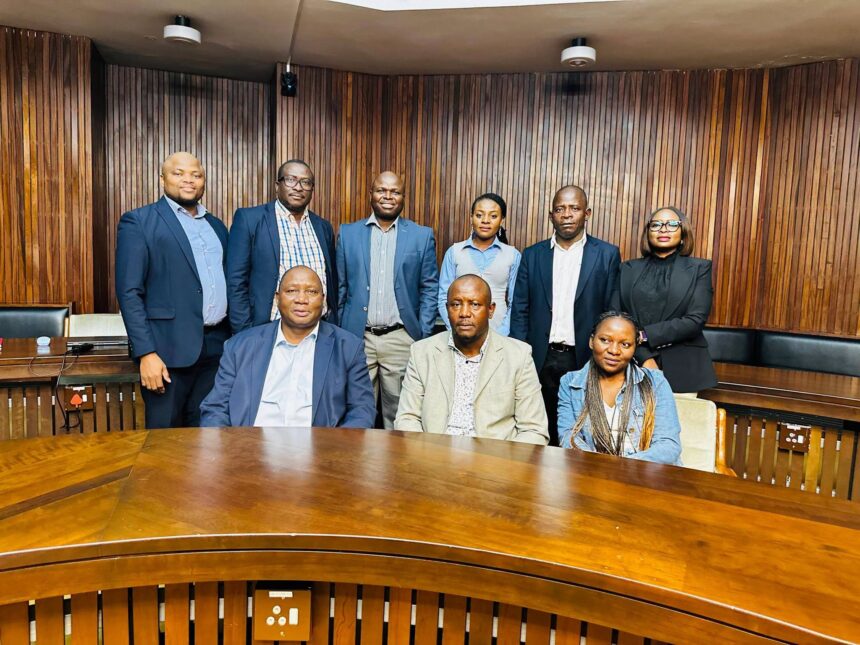
The National Department of Agriculture has shared South Africa’s experience in developing and scaling government-led digital agriculture solutions with a delegation from Zambia as part of an ongoing South-South Cooperation Exchange Visit on Digital Agriculture and Artificial Intelligence. The engagement took place at the department’s offices in Pretoria and focused on how digital technologies can strengthen agricultural information systems and improve service delivery. The exchange provides an opportunity for South Africa and Zambia to share practical experiences and examine approaches that can support the long-term development of digital agriculture. As technology continues to influence the way agricultural information is collected, managed and delivered, governments are exploring ways to make digital tools more useful and sustainable for farmers and other agricultural stakeholders. The engagement therefore placed digital innovation within the broader objective of strengthening agricultural systems and improving access to relevant information.
A major focus of the discussions was marketing information systems, which can play an important role in helping agricultural stakeholders access information relevant to production and markets. Reliable and accessible market information can support better decision-making by farmers, businesses and government institutions. Digital platforms can provide ways to collect, organise and distribute this information more efficiently, particularly when systems are designed around the needs of their users. The South African experience shared during the exchange gave the Zambian delegation an opportunity to learn about approaches used to develop government-led digital agriculture solutions. The discussions also highlighted the need to consider how such systems can remain useful and responsive as agricultural needs and technologies continue to change.
The long-term sustainability of digital agriculture initiatives was another important area of discussion during the engagement. Developing a digital platform or service is only one part of creating a successful government-led technology initiative, as systems also need appropriate support, resources and management over time. Sustainability can influence whether digital services continue to provide value to farmers and agricultural stakeholders after their initial development and implementation. The exchange therefore provided an opportunity to consider approaches for maintaining digital agriculture initiatives and supporting their continued use. Sharing experiences between countries can help identify practical lessons around the development, operation and scaling of digital solutions within the public sector.
The programme also examined approaches to scaling government-led digital solutions so that they can reach more users and support a wider range of agricultural activities. Scaling digital agriculture initiatives requires attention to infrastructure, accessibility, user needs and the capacity of institutions responsible for delivering the services. Government-led platforms can also benefit from clear systems for coordination and continued improvement as more users and agricultural stakeholders engage with them. South Africa’s experience provided a practical reference point for discussions with the Zambian delegation about the opportunities and challenges associated with expanding digital agriculture services. The exchange reflects the value of learning from experiences that have already been developed within public agricultural systems.
The involvement of Artificial Intelligence in the exchange also reflects the growing interest in how emerging technologies can contribute to agricultural information and service delivery. AI can support the processing and analysis of large amounts of information, although its practical value depends on the availability and quality of data and the way systems are designed and managed. Discussions around digital agriculture and AI therefore need to consider both technological opportunities and the requirements for responsible implementation. The exchange between South Africa and Zambia provides a space for participants to explore these issues through practical experiences rather than considering technology in isolation. Such discussions can help governments assess where digital tools can provide useful support within agricultural systems.
The programme includes FAO South Africa and FAO Zambia, creating a platform for continued cooperation between the two countries and their agricultural stakeholders. South-South Cooperation allows countries in the Global South to share knowledge, experiences and approaches to common development challenges. In the agricultural sector, this can include exchanging lessons about technology, information systems, institutional processes and services that support farmers. The involvement of the Food and Agriculture Organization adds another dimension to the exchange by supporting collaboration around agricultural development and knowledge sharing. The programme therefore provides an opportunity for participants to learn from each other’s experiences while considering how digital technologies can be adapted to different national contexts.
Digital agriculture has the potential to strengthen agricultural information and service delivery when solutions respond to practical needs and remain accessible to their intended users. Farmers and other agricultural stakeholders need timely and relevant information to support decisions about production, markets and agricultural management. Government institutions also require effective information systems to improve the way services are planned and delivered. The exchange between South Africa and Zambia highlights the importance of combining technological development with long-term planning, institutional capacity and a clear understanding of user needs. These considerations are particularly important as governments explore how digital platforms and artificial intelligence can contribute to more efficient agricultural systems.
The South-South Cooperation Exchange Visit on Digital Agriculture and Artificial Intelligence provides South Africa and Zambia with an opportunity to strengthen knowledge sharing around the use of technology in agriculture. By sharing South Africa’s experience in marketing information systems, sustainability and scaling government-led digital solutions, the engagement gives the Zambian delegation practical insights into approaches that can support digital agricultural development. The participation of FAO South Africa and FAO Zambia further supports the exchange of experiences and knowledge between the two countries. The discussions demonstrate that successful digital agriculture requires more than technology alone, with sustainability, accessibility, institutional capacity and practical agricultural needs also playing important roles. Continued cooperation of this kind can support efforts to use digital technologies to strengthen agricultural information and service delivery for farmers and other stakeholders.
Join 'Farmers Mag' WhatsApp Channel
Get the latest Farming news and tips delivered straight to your WhatsApp
CLICK HERE TO JOIN




