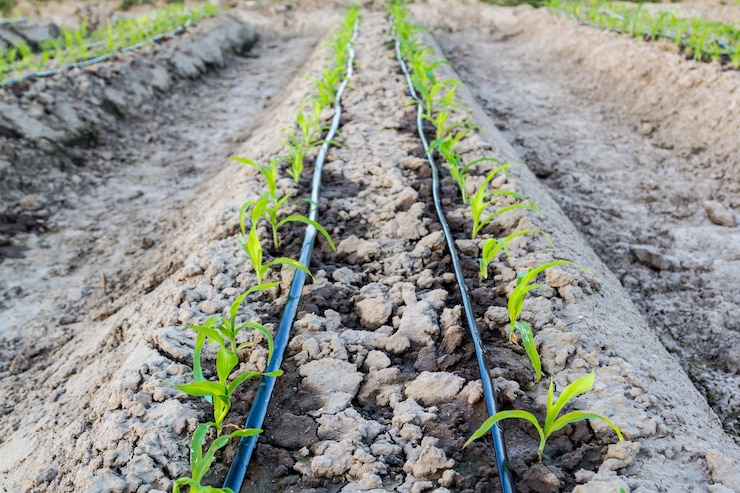
Water scarcity and rising input costs continue to challenge farmers and home growers across South Africa, making efficient irrigation methods more important than ever. A simple drip irrigation system offers a practical solution for delivering water directly to plant roots while reducing waste. This method works well in both small gardens and larger farming plots, especially in dry and semi arid regions. It helps growers maintain consistent soil moisture, which improves crop health and yield stability. Many farmers are now shifting from flood irrigation and overhead sprinklers to drip systems because they use less water and require lower long term maintenance. With basic materials and careful planning, anyone can set up a functional system without advanced technical skills.
A basic drip irrigation system starts with a water source, which can be a tank, tap or borehole depending on availability. From there, water flows through a main pipe that distributes it to smaller drip lines placed near plant rows. These drip lines contain small emitters that release water slowly and directly into the soil. This slow release reduces evaporation and ensures that water reaches the root zone where it is needed most. A simple filter is essential to prevent dirt and debris from blocking the emitters, especially when using borehole or dam water. A pressure regulator may also be needed to ensure that water flows evenly through the system and does not damage the pipes.
To set up the system, you first need to plan your layout based on the size of your garden or farm and the type of crops you are growing. Leafy vegetables, fruiting plants and row crops may require different spacing between drip lines. Once the layout is clear, you can install the main pipe along the edge of the growing area and connect drip lines using simple connectors. The drip lines should run close to the base of each plant row to ensure efficient water delivery. After installation, you should test the system by running water through it and checking for leaks or uneven flow. Adjustments can be made by tightening connections or repositioning emitters for better coverage.
One of the biggest advantages of drip irrigation is water efficiency, which is especially important in South Africa where drought conditions are common in many regions. This system can reduce water usage by up to half compared to traditional irrigation methods. It also helps reduce weed growth because water is delivered only where crops are planted, leaving surrounding soil dry. Healthier plants result from consistent moisture levels, which reduces stress and improves resistance to pests and diseases. Over time, farmers can also save money on water bills and fertilizer costs because nutrients can be applied directly through the irrigation system. This combination of savings and productivity makes drip irrigation a strong long term investment.
Maintenance is a key part of keeping a drip system working effectively throughout the growing season. Regularly checking for blocked emitters helps ensure that all plants receive equal water distribution. Filters should be cleaned frequently to prevent buildup that can restrict water flow. Pipes should also be inspected for leaks, cracks or damage caused by sunlight or physical wear. In areas with hard water or high sediment levels, flushing the system occasionally helps prevent clogging. Proper maintenance extends the lifespan of the system and ensures reliable performance across multiple planting cycles.
A simple drip irrigation system offers a practical and affordable way for South African growers to improve productivity while conserving water. It supports sustainable farming practices by reducing waste and improving crop health through controlled watering. Whether used in a backyard garden or a small scale farm, the system can be adapted to different needs and budgets. With careful installation and regular upkeep, it becomes a reliable tool for consistent agricultural output. As water challenges continue to grow, drip irrigation stands out as a smart solution that supports both food production and environmental responsibility.
Join 'Farmers Mag' WhatsApp Channel
Get the latest Farming news and tips delivered straight to your WhatsApp
CLICK HERE TO JOIN