Reliable pumps and generators are essential for the success of any South African farming operation. Whether you manage a small vegetable garden, a dairy farm, a livestock enterprise or a large commercial crop farm, dependable equipment keeps water flowing and essential systems operating during power outages. South Africa’s changing weather patterns, recurring droughts and ongoing electricity supply challenges have made it increasingly important for farmers to invest in quality pumping and backup power solutions. Choosing the right equipment can improve productivity, reduce operating costs and protect valuable crops and livestock from unnecessary losses. Understanding how to select, operate and maintain pumps and generators is therefore a valuable skill for every farmer who wants to build a resilient and profitable agricultural business.
The first step when selecting a pump is identifying exactly what the pump will be used for. Farms use pumps for irrigation, livestock watering, household water supply, chemical spraying, drainage and transferring water between storage tanks. Each application has different flow rate and pressure requirements, making it important to match the pump to the specific task. Installing an oversized pump may increase fuel or electricity costs without providing additional benefits, while an undersized pump may fail to deliver enough water during critical periods. Carefully assessing your daily water needs helps ensure that you purchase equipment capable of meeting both current and future demands.
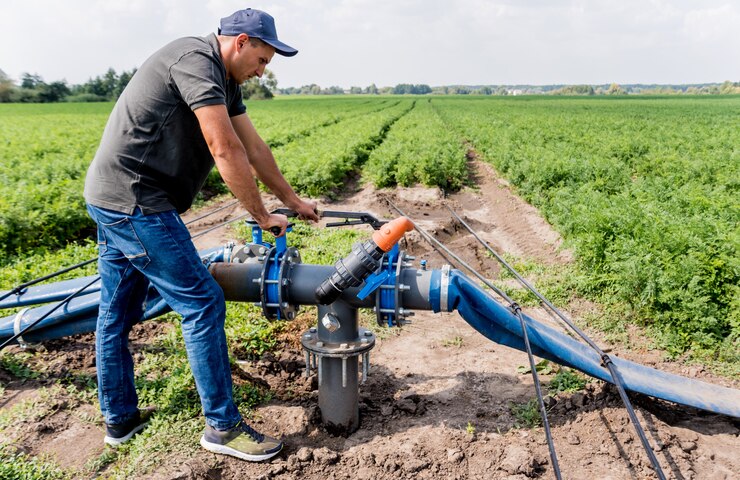
Water source also plays an important role when choosing a farm pump. Farmers may draw water from boreholes, rivers, dams, reservoirs or municipal supplies, and each source requires different pumping solutions. Borehole pumps are designed to lift water from deep underground and are commonly used throughout South Africa, especially in rural areas where groundwater provides a reliable water supply. Surface pumps work well for rivers, dams and storage tanks where water is located above or close to ground level. Selecting the correct type of pump improves efficiency while reducing wear on the equipment. Consulting a qualified supplier can help determine the most suitable pump based on water depth, distance and required pressure.
Flow rate and total head are two of the most important technical specifications when purchasing a pump. Flow rate measures how much water the pump can deliver over a specific period, while total head refers to the total height and resistance that the pump must overcome. A farm irrigating several hectares of vegetables will require different pump specifications from a livestock farm supplying drinking water to cattle. Understanding these measurements allows farmers to avoid purchasing equipment that either wastes energy or struggles to meet operational requirements. Manufacturers usually provide performance charts that help match pumps to specific farming applications.
Energy efficiency should also be considered before making a purchase. Electricity and diesel costs represent a significant portion of farm operating expenses, making efficient equipment a worthwhile investment. Modern pumps fitted with energy-efficient motors often consume less electricity while delivering equal or better performance than older models. Variable speed drives can further reduce electricity consumption by adjusting pump output according to demand rather than operating continuously at full capacity. Although efficient systems may have higher purchase prices, they often generate substantial long-term savings through reduced operating costs.
Farmers should also carefully consider the durability of the pump before making a purchase. Agricultural equipment often operates under challenging conditions including dust, mud, extreme temperatures and continuous use during planting or irrigation seasons. Pumps manufactured from corrosion-resistant materials such as stainless steel or cast iron generally provide longer service life, particularly when pumping water containing minerals or sediment. Choosing equipment built specifically for agricultural conditions reduces maintenance costs while increasing reliability. Investing in quality equipment usually proves more economical than frequently replacing cheaper alternatives.
Generators have become equally important on South African farms due to ongoing electricity supply challenges and unexpected power interruptions. Reliable backup power ensures that irrigation systems, cold storage facilities, dairy equipment, security systems and livestock watering systems continue operating during outages. For poultry and dairy farms, uninterrupted electricity is particularly important because equipment failure can quickly lead to significant financial losses. Generators also provide valuable support during peak farming periods when irrigation and processing equipment must operate without interruption. A properly selected generator protects both productivity and income.
The size of the generator should match the farm’s actual electricity requirements. Farmers should begin by calculating the total wattage needed to operate essential equipment during a power outage. Starting currents for electric motors are often significantly higher than normal operating loads, meaning the generator must have sufficient capacity to handle these temporary increases. Purchasing a generator that is too small may result in overloads, while an oversized generator consumes unnecessary fuel and increases operating costs. Professional electrical assessments can help determine the appropriate generator capacity for individual farming operations.
The choice between diesel and petrol generators depends largely on farm size and intended use. Diesel generators are generally preferred for medium and large farming operations because they offer greater fuel efficiency, longer operating life and lower maintenance requirements under heavy workloads. Petrol generators may suit smaller farms or occasional emergency use due to their lower purchase price and portability. Some farms also invest in tractor-powered generators that use the tractor’s power take-off system to generate electricity during emergencies. Each option offers advantages depending on farm size, budget and operational requirements.
Fuel storage and management remain important considerations for farms relying on generators. Diesel and petrol should always be stored in approved containers or storage tanks located in secure, well-ventilated areas away from ignition sources. Farmers should rotate stored fuel regularly to maintain quality and prevent contamination. Keeping adequate fuel reserves ensures generators remain available during prolonged power outages or severe weather events. Proper fuel management contributes to both equipment reliability and farm safety.
Routine maintenance significantly extends the lifespan of both pumps and generators. Pumps should be inspected regularly for leaks, worn seals, unusual vibrations and declining water pressure that may indicate developing problems. Intake screens and filters should be cleaned frequently to prevent blockages that reduce performance and increase motor strain. Bearings, belts and moving components should also be checked according to the manufacturer’s maintenance schedule. Addressing small issues early helps prevent costly breakdowns during critical farming periods.
Generator maintenance is equally important for ensuring dependable emergency power. Engine oil, coolant levels and air filters should be checked before each period of heavy use. Battery terminals must remain clean and fully charged to ensure reliable starting during emergencies. Fuel filters and engine oil should be replaced according to the manufacturer’s recommendations, even if the generator operates only occasionally. Running the generator under load every few weeks helps keep engine components lubricated while confirming that the unit remains in proper working condition.
Electrical safety should never be overlooked when operating pumps and generators. Qualified electricians should install electrical equipment to ensure compliance with South African safety regulations and manufacturer specifications. Proper earthing protects both equipment and operators from electrical faults. Farmers should avoid operating generators in enclosed areas because exhaust fumes contain dangerous carbon monoxide gas. Extension cords, electrical connections and distribution boards should also be inspected regularly for damage that could create fire or shock hazards.
Protecting pumps and generators from the weather also contributes to longer service life. Equipment exposed to rain, direct sunlight and excessive dust often deteriorates more quickly than properly sheltered machinery. Pump houses and generator enclosures provide protection while allowing adequate ventilation for cooling. Dust accumulation should be removed regularly, especially in dry farming regions where airborne particles can affect engine performance and cooling systems. Keeping equipment clean also makes routine inspections easier and allows problems to be identified earlier.
Many South African farmers are also integrating renewable energy technologies into their pumping systems. Solar-powered pumps have become increasingly popular, particularly for livestock watering and borehole applications in remote areas. Solar systems reduce dependence on grid electricity while lowering long-term operating costs. Some farms combine solar energy with battery storage and backup generators to create hybrid power systems capable of operating under a wide range of conditions. These technologies improve energy security while supporting environmentally sustainable farming practices.
Maintaining detailed service records helps farmers manage equipment more effectively. Recording oil changes, filter replacements, repairs and operating hours makes it easier to plan preventative maintenance before failures occur. Service records also increase equipment resale value by demonstrating that machinery has been properly maintained. Farmers managing several pumps or generators can use maintenance schedules to ensure each unit receives regular attention throughout the year. Good record keeping ultimately reduces unexpected downtime and repair costs.
Selecting and maintaining pumps and generators is one of the most important investments a South African farmer can make to ensure reliable water supply and uninterrupted farm operations. Choosing equipment that matches the farm’s water and electricity requirements improves efficiency while reducing unnecessary operating expenses. Regular maintenance, proper fuel management and routine inspections protect these valuable assets from premature failure and costly repairs. As farming becomes increasingly dependent on reliable water and energy systems, well-maintained pumps and generators provide the stability needed to withstand drought, power outages and demanding production schedules. By investing in quality equipment and following consistent maintenance practices, South African farmers can improve productivity, strengthen resilience and build more sustainable farming enterprises for the future.
Join 'Farmers Mag' WhatsApp Channel
Get the latest Farming news and tips delivered straight to your WhatsApp
CLICK HERE TO JOIN