The Department of Agriculture has successfully concluded a working visit to Saudi Arabia, Oman and the United Arab Emirates aimed at strengthening agricultural trade, expanding market access and identifying new areas of collaboration. The market access mission began on 27 September 2026 and brought together government representatives, diplomatic missions and members of the South African livestock industry interested in opportunities in the Middle East. The visit focused on creating practical pathways for agricultural exports while addressing challenges affecting South African livestock producers. It also provided an opportunity to explore what products and opportunities Middle Eastern markets could offer South Africa. The engagements demonstrated a shared interest in strengthening trade relations, improving cooperation and creating opportunities that can benefit agricultural producers and economies on both sides.
Deputy Minister Capa, MP, was unable to travel with the delegation and delegated Ms Kwena Komape, Deputy Director General for Economic Development, Trade and Marketing, to lead the mission on her behalf. The delegation worked in collaboration with the South African Consulate-General in Dubai and the South African Embassy in the United Arab Emirates, while also engaging South African diplomatic and government representatives in the countries visited. The mission formed part of efforts to respond to the difficulties experienced by livestock farmers following the Foot and Mouth disease outbreak. Deputy Minister Capa explained that engaging missions in Middle Eastern countries was intended to assist with market engagements at a time when livestock farmers were facing significant export challenges. The mission therefore combined immediate market access concerns with longer-term efforts to develop stronger agricultural trade relationships.
Members of the South African livestock industry accompanied the government delegation because their participation provided direct industry insight into export opportunities and market requirements. Their involvement allowed discussions to focus on practical issues affecting producers who want to access international markets. Livestock exporters need clear information about market conditions, regulatory requirements, disease-control measures and buyer expectations before they can develop sustainable trade relationships. Bringing industry representatives into the discussions helped connect government-to-government engagements with the needs of businesses and producers. It also created an opportunity for potential buyers and industry representatives to discuss areas where commercial cooperation could develop.
The first day of the working visit included high-level and technical engagements with officials from the Saudi Food and Drug Authority, the Saudi Agricultural and Livestock Investment Company and the General Authority for Foreign Trade. These discussions focused on identifying opportunities for the South African agricultural industry while also considering potential products that Saudi Arabia could export to South Africa. Such two-way discussions are important because agricultural trade involves opportunities for both exports and imports. Understanding regulatory and commercial requirements can help businesses assess whether specific products can enter a market and what conditions need to be met. The Saudi engagements therefore provided a platform for examining agricultural trade opportunities from both countries’ perspectives.
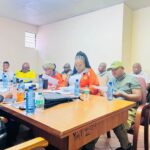
The discussions continued on 28 September 2026 through engagements involving the Embassy of South Africa in Saudi Arabia, the Department of Agriculture delegation and representatives of the South African livestock industry. The participants held detailed discussions on steps that could strengthen relations and improve cooperation. The delegation also interacted with buyers on technology and innovation, broadening the focus beyond traditional agricultural commodities. Technology can play an important role in modern agriculture by improving production systems, efficiency and the ability of businesses to respond to changing market requirements. Engagements of this nature can help South African agricultural stakeholders understand where innovation and commercial partnerships could support stronger participation in international markets.
The Saudi Arabian leg also included engagement with business organisations, including the South African Business Council and the Federation of Saudi Business, among other stakeholders. These interactions created additional opportunities to connect government objectives with private-sector interests. Business organisations can play an important role in identifying potential buyers, investors and commercial partners who can contribute to stronger trade relationships. The discussions ended positively, with participating parties expressing an interest in continued collaboration. Maintaining these relationships through follow-up engagements will be important for converting initial discussions into practical trade opportunities.
After completing the Saudi Arabian leg, the delegation travelled to Oman to engage with the Ministry of Environment, Water, Fisheries and Agriculture and the Omani Chamber of Business. The discussions focused on strengthening bilateral relations and exploring opportunities within the food and agricultural sector. Both sides expressed their willingness to trade while recognising the importance of complying with sanitary and phytosanitary measures. These measures are critical in agricultural trade because they help protect people, animals and plants from health and biosecurity risks. Addressing these requirements early can help create a clearer basis for future market access and agricultural exports.
The final leg of the mission took place in Dubai on 30 September 2026, where the delegation met with the Ministry of Climate Change and Environment. The discussions covered a range of agricultural issues and included consideration of matters that still require further engagement. The parties agreed to continue working together to resolve outstanding issues and strengthen cooperation. The Dubai engagement was therefore part of a wider process rather than an isolated meeting. Continued communication between the relevant authorities will be important for ensuring that agreed areas of cooperation progress towards implementation.
Across Saudi Arabia, Oman and the United Arab Emirates, the South African delegation received what was described as a positive and forward-looking reception. A common theme across the engagements was the desire to maximise agricultural trade by creating practical opportunities for businesses and producers to interact. Proposed activities include developing lists of expressions of interest, organising business-to-business sessions and inviting representatives from each country to participate in trade missions. These activities can help move discussions from institutional meetings towards direct commercial engagement. They can also give agricultural businesses greater opportunities to identify buyers, suppliers and potential partners.
The mission also extended beyond immediate market access and agricultural exports. Discussions covered potential cooperation in research, training and knowledge exchange, recognising that stronger agricultural trade can be supported by collaboration in areas beyond commercial transactions. Research partnerships can help countries share knowledge and develop responses to common agricultural challenges. Training and knowledge exchange can strengthen technical capacity and improve understanding of production, regulation and market requirements. These areas of cooperation can provide a broader foundation for long-term agricultural relationships between South Africa and its Middle Eastern partners.
The parties agreed that further work is required to address pending matters through information sharing and follow-up meetings. For Oman and the United Arab Emirates, the parties are looking forward to finalising Memoranda of Understanding, with effective implementation expected to provide a basis for strengthening bilateral relations and agricultural trade. Agreements alone do not create market opportunities without practical implementation, continued communication and participation from relevant stakeholders. The focus on implementation therefore remains important as the countries work towards translating the outcomes of the mission into measurable cooperation. All parties underscored the need to make the proposed areas of collaboration work in practice.
Disease control emerged as another important component of the discussions, particularly because animal health can directly affect international livestock trade. The parties agreed to exchange information on disease control so that South Africa can assess its Foot and Mouth disease control measures in relation to import requirements. This exchange can help South Africa understand the conditions applied by trading partners and assess where alignment or equivalence may be possible. Clear information about disease-control systems is important for building confidence among trading partners and supporting informed decisions about livestock and livestock-product trade. Addressing these technical issues is therefore an important part of efforts to restore and expand market access for South African producers.
For South Africa’s livestock industry, stronger relationships with Middle Eastern markets could create opportunities to diversify export destinations when market conditions allow. However, successful agricultural exports depend on meeting the technical, regulatory and commercial requirements of individual markets. The working visit created a platform for South African authorities and industry representatives to engage directly with those requirements and identify areas where further work is needed. The participation of diplomatic missions and business stakeholders also strengthened the potential for continued engagement after the delegation returned. Future progress will depend on sustained follow-up, information exchange and practical action by the relevant authorities and businesses.
The working visit also demonstrates the importance of coordinated action between government, diplomatic missions and agricultural industries when pursuing international market access. Government departments can address policy and regulatory issues, diplomatic missions can support relationships with foreign institutions and businesses can identify commercial opportunities. Bringing these roles together can create a more coordinated approach to agricultural trade development. The involvement of the South African livestock industry ensured that producers and businesses remained part of the discussions. This collaborative model can support efforts to expand agricultural exports while addressing the technical and market challenges that affect international trade.
South Africa’s working visit to Saudi Arabia, Oman and the United Arab Emirates has opened further opportunities for cooperation in agriculture, food trade and livestock markets. The engagements addressed market access, sanitary and phytosanitary measures, disease-control information, technology, investment, research, training and business cooperation. The planned expressions of interest, B2B sessions, trade missions and future meetings provide practical avenues for maintaining the momentum created during the visit. The proposed Memoranda of Understanding with Oman and the UAE could provide additional structure for future cooperation once finalised and effectively implemented. By continuing to work with Middle Eastern partners, South African agricultural authorities and industry stakeholders can pursue stronger market access while building relationships that support agricultural trade, investment and economic growth.
Join 'Farmers Mag' WhatsApp Channel
Get the latest Farming news and tips delivered straight to your WhatsApp
CLICK HERE TO JOIN