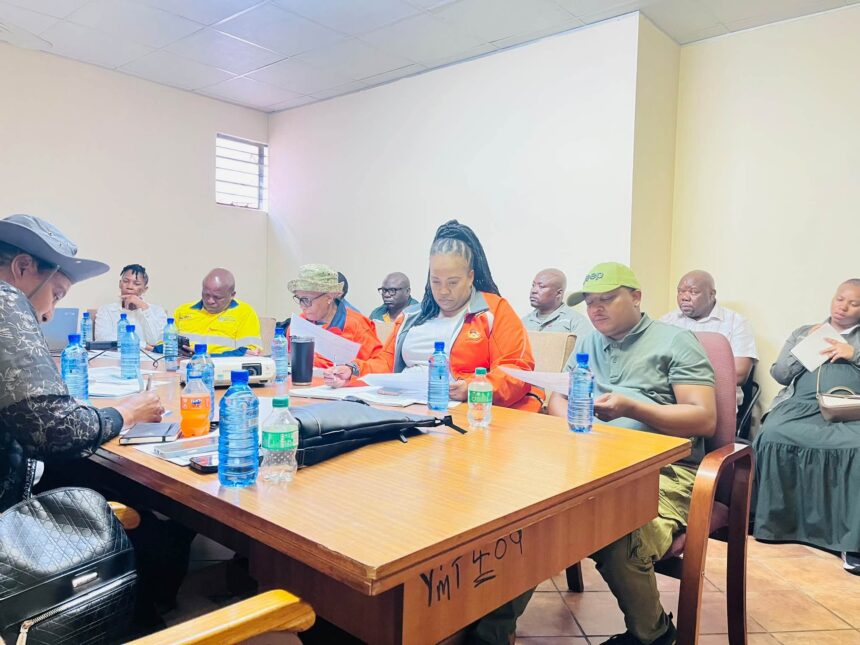
The North West Provincial Legislature’s Portfolio Committee on Agriculture and Rural Development is conducting oversight visits in the Ngaka Modiri Molema District from 6 to 9 October 2026 to assess the implementation and impact of agricultural programmes in the province. The visits provide an opportunity for the committee to examine how agricultural initiatives are being implemented on the ground and whether they are delivering the intended benefits to communities and agricultural producers. Effective oversight is important because agricultural programmes involve public resources and are expected to contribute to food security, rural development, livelihoods and economic participation. Direct engagement with communities and other stakeholders can also help identify challenges that may not be immediately visible through administrative reports. The four-day oversight programme therefore forms part of efforts to strengthen accountability and improve the delivery of agricultural services in the North West.
The Ngaka Modiri Molema District is an important area for agricultural and rural development in the province, making it relevant to the committee’s oversight responsibilities. Agricultural programmes can take different forms and may involve support for farmers, infrastructure, production activities, food security initiatives and rural economic development. Assessing these programmes requires more than examining whether activities have taken place. It also requires attention to whether the support reaches its intended beneficiaries and whether it contributes to meaningful and sustainable outcomes. The oversight visits allow the committee to examine these issues directly and gather information that can inform its assessment of agricultural programme implementation.
A key purpose of the oversight process is to assess how agricultural programmes are being implemented at community level. Government programmes are designed to address identified development priorities, but their effectiveness depends on how well they are implemented in practice. Farmers and communities may experience challenges related to resources, infrastructure, technical support, access to markets or other factors that influence the success of agricultural initiatives. Visiting project sites gives legislators an opportunity to engage with the realities faced by beneficiaries and programme implementers. This direct approach can provide valuable information for identifying areas that require stronger support or improved implementation.
The committee’s focus on impact is equally important. A programme may have been implemented according to its original plan, but oversight also needs to consider whether it is producing useful outcomes for the people it was designed to support. Agricultural initiatives can take time to produce results, particularly where they involve infrastructure development, production support or the establishment of farming enterprises. Assessing impact therefore requires consideration of both immediate outputs and longer-term benefits. The oversight visits can help the committee develop a clearer understanding of whether agricultural interventions are contributing to their intended development objectives.
Agricultural programmes have a direct connection to food security in rural communities. Supporting farmers and community-based food production can contribute to the availability of food while creating opportunities for households to generate income. However, food security initiatives need appropriate resources and ongoing support to remain productive. Oversight can help identify whether agricultural projects have the infrastructure, inputs and other forms of assistance required to operate effectively. It can also highlight challenges that may affect the sustainability of projects after initial government support has been provided.
Rural development is another important consideration within the committee’s oversight mandate. Agriculture can contribute to rural economies through production, employment, local trade and related services. Strong agricultural projects can create economic opportunities while supporting food production in communities. At the same time, farmers may face barriers that limit their ability to expand production or participate effectively in markets. By examining agricultural initiatives in the district, the committee can consider how government programmes are contributing to wider rural economic development.
The oversight visits also provide an opportunity for the Portfolio Committee on Agriculture and Rural Development to engage with the people directly affected by agricultural programmes. Community members and farmers have practical experiences that can provide important information about the effectiveness of government interventions. Their feedback can help identify both positive outcomes and challenges that require attention. Direct engagement also strengthens accountability because it allows representatives to hear concerns and assess conditions at programme level. Information gathered during these interactions can contribute to future oversight recommendations and decisions.
Implementation challenges are a normal part of large-scale public programmes, but identifying them early can help improve outcomes. Agricultural projects can be affected by issues such as resource constraints, delays, technical difficulties or changing production conditions. The committee’s role is not simply to observe these challenges but to assess how they affect programme performance and whether appropriate responses are being taken. Oversight can help highlight areas where departments or implementing structures may need to strengthen their approach. It can also support greater accountability for the use of public resources.
The visits from 6 to 9 October 2026 provide a focused period for the committee to examine agricultural programmes across the Ngaka Modiri Molema District. A district-level approach allows oversight activities to consider local conditions rather than relying only on province-wide assessments. Agricultural production varies according to environmental, economic and social circumstances, so local information can be important when evaluating programmes. The committee can use observations from the district to develop a more detailed understanding of how provincial agricultural policies translate into practical interventions. This can strengthen the evidence available for future planning and oversight.
Agricultural support also needs to consider the long-term sustainability of farming initiatives. Projects that depend entirely on short-term interventions may face difficulties once initial support ends. Sustainable agricultural development requires attention to production capacity, skills, infrastructure, markets and the ability of farmers or community groups to manage their operations. Oversight visits can help determine whether programmes are building this type of capacity among beneficiaries. They can also identify opportunities to improve support so that agricultural projects have a stronger foundation for continued operation.
The committee’s work can contribute to stronger coordination between agricultural programmes and broader provincial development priorities. Food security, rural economic development and agricultural production are closely connected, and progress in one area can influence outcomes in another. For example, improving farm productivity can support local food availability while also creating opportunities for income generation and market participation. Effective oversight can help ensure that agricultural initiatives remain aligned with these wider objectives. It can also help identify gaps where programmes may need to work more closely with other government structures and stakeholders.
The oversight process is ultimately about ensuring that agricultural development programmes deliver meaningful value to the people they are intended to serve. Visiting projects and engaging with communities provides the Portfolio Committee on Agriculture and Rural Development with first-hand information about implementation and impact. This information can help the committee identify strengths, challenges and areas requiring further attention. Strong oversight can also promote more effective use of public resources and encourage continuous improvement in agricultural service delivery. These functions are particularly important in rural areas where agriculture can play a significant role in livelihoods and local economic activity.
The North West Provincial Legislature’s oversight visits in Ngaka Modiri Molema District from 6 to 9 October 2026 represent an important step in assessing the implementation and impact of agricultural programmes in the province. By examining programmes on the ground and engaging with farmers and communities, the committee can gain a clearer understanding of how government support is affecting agricultural development and rural livelihoods. The process can help identify implementation challenges while highlighting initiatives that are producing useful results. Its findings can contribute to stronger accountability, better programme planning and more responsive agricultural support. Continued and effective oversight will remain important in ensuring that agricultural programmes contribute to food security, sustainable farming and meaningful rural development across the North West.
Join 'Farmers Mag' WhatsApp Channel
Get the latest Farming news and tips delivered straight to your WhatsApp
CLICK HERE TO JOIN