Groundnut farming is an important agricultural activity in South Africa, offering opportunities for both small-scale and commercial farmers. Also known as peanuts, groundnuts are valued for their nutritional benefits, including high levels of protein, healthy oils and essential nutrients. The crop is used for human consumption, animal feed, cooking oil production and various food products, creating strong demand in local and regional markets. For beginners, growing groundnuts can be a rewarding farming venture when the right production practices are followed. Successful groundnut farming requires careful planning, suitable land selection, quality seed, proper crop management and effective harvesting methods. Understanding the basics of groundnut production helps new farmers reduce risks and improve their chances of achieving profitable yields.
South Africa has suitable conditions for groundnut production, particularly in areas with warm temperatures and well-drained soils. Major groundnut-producing regions include parts of the Free State, North West, Limpopo, Mpumalanga and KwaZulu-Natal. The crop performs best in areas with temperatures between 25°C and 30°C during the growing season, with adequate moisture available during key development stages. Groundnuts require a relatively long growing period, usually between four and five months depending on the variety and environmental conditions. Farmers should consider local climate patterns, rainfall availability and soil characteristics before selecting a production site. Choosing the right location is one of the first steps toward establishing a successful groundnut farming operation.
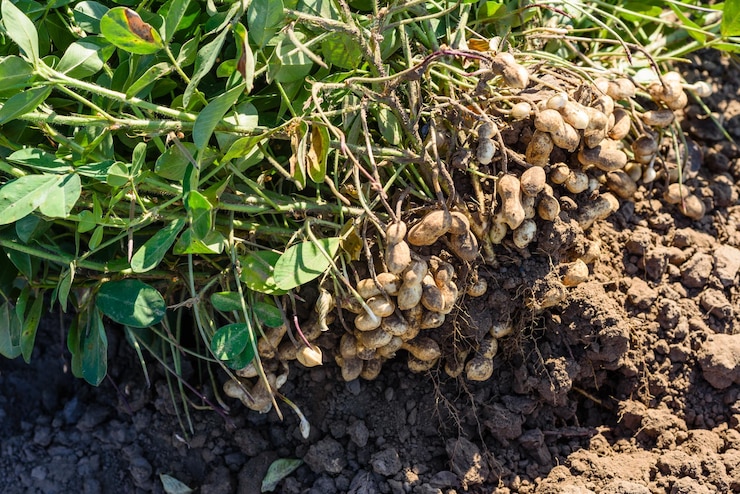
Soil selection plays a major role in groundnut production because the crop develops its pods underground. Groundnuts grow best in loose, sandy loam soils that allow easy pod formation and harvesting. Heavy clay soils can restrict pod development and make harvesting more difficult, while poorly drained soils increase the risk of root diseases and crop losses. Before planting, farmers should conduct soil tests to determine nutrient levels and soil acidity. Groundnuts generally prefer slightly acidic soils with a pH between 5.5 and 6.5. Proper soil preparation improves root growth, encourages healthy plant development and creates favourable conditions for pod formation.
Selecting the correct groundnut variety is another important decision for beginner farmers. Different varieties have different growth periods, yield potential, disease resistance and market characteristics. Some varieties are better suited for oil production, while others are preferred for direct human consumption because of their size, taste and quality. Farmers should choose varieties that perform well under their local conditions and match their intended market. Certified seed is recommended because it provides better germination, uniform growth and reduced risk of introducing diseases into the field. Investing in good-quality seed creates a strong foundation for a productive crop.
Land preparation should begin well before planting to create suitable growing conditions. The field should be cleared of weeds and prepared to provide a loose seedbed that allows easy root penetration and pod development. Groundnuts are usually planted during warmer months when soil temperatures are suitable for germination. In South Africa, planting generally takes place from October to December depending on the region and rainfall patterns. Farmers should avoid planting too early when soils are cold because poor germination can reduce plant populations. Proper spacing and planting depth also help ensure healthy crop establishment and efficient use of available resources.
Groundnut plants require careful nutrient management throughout the growing season. Although groundnuts are legumes and can fix some nitrogen through their relationship with soil bacteria, they still require other nutrients such as phosphorus, potassium, calcium and magnesium. Calcium is especially important because it supports proper pod development and improves seed quality. Fertilizer applications should be based on soil test recommendations to avoid unnecessary costs and nutrient imbalances. Applying too much nitrogen can encourage excessive leaf growth while reducing pod production. Balanced nutrition helps plants develop strong root systems and produce high-quality groundnuts.
Water management is essential for achieving good groundnut yields. Although groundnuts are relatively drought tolerant compared to some crops, moisture shortages during flowering, pod formation and seed filling can significantly reduce production. Farmers growing groundnuts under dryland conditions should conserve soil moisture through practices such as minimum tillage, crop rotation and maintaining soil cover. Irrigation farmers need to apply water at the correct stages while avoiding excessive moisture that can encourage disease development. Consistent moisture supports healthy plant growth and improves the size and quality of harvested pods. Good water management is especially important in areas where rainfall patterns are unpredictable.
Weed control is one of the most important management practices in groundnut farming. Weeds compete with groundnut plants for sunlight, water and nutrients, especially during the early stages of growth. A field with heavy weed pressure can experience reduced yields because groundnut plants struggle to establish properly. Farmers can manage weeds through cultivation, crop rotation and carefully selected herbicides where necessary. Regular field inspections allow farmers to identify weed problems early and take action before they become difficult to control. Maintaining clean fields throughout the growing season improves crop performance and makes harvesting easier.
Groundnut farmers must also monitor their crops for pests and diseases that can affect productivity. Common challenges include fungal diseases such as leaf spot, rust and aflatoxin contamination, which can reduce both yield and quality. Insect pests, including aphids and caterpillars, may also damage plants during different growth stages. Preventive practices such as planting resistant varieties, maintaining proper crop rotation and avoiding excessive plant stress can reduce disease risks. Farmers should inspect their fields regularly and seek advice from agricultural specialists when problems appear. Effective pest and disease management protects the crop and helps maintain marketable quality.
Harvesting is a critical stage that determines the final quality and profitability of a groundnut crop. Groundnuts are ready for harvesting when the pods have fully developed and the leaves begin to yellow and dry. Harvesting too early can result in immature kernels, while harvesting too late can increase losses from pod deterioration and disease. Small-scale farmers may harvest manually, while commercial producers often use specialised machinery to remove and separate pods efficiently. After harvesting, groundnuts must be properly dried to reduce moisture levels and prevent mould growth. Proper handling and storage are essential for maintaining quality and protecting the crop from spoilage.
Marketing is an important consideration for anyone starting a groundnut farming business. Farmers can sell their produce to local markets, food processors, cooperatives or directly to consumers depending on their scale and production goals. Quality factors such as kernel size, cleanliness, moisture content and absence of contamination influence market value. Keeping accurate production records helps farmers understand their costs, calculate profits and improve future decisions. Developing relationships with buyers before harvesting can also provide greater market security. Understanding market requirements allows farmers to produce groundnuts that meet consumer and industry expectations.
Groundnut farming in South Africa offers promising opportunities for beginners who are willing to learn and apply effective agricultural practices. Success depends on making informed decisions about land selection, seed choice, soil preparation, planting, nutrition, irrigation and crop protection. Farmers who carefully manage their fields and monitor crop development are more likely to achieve consistent yields and build profitable enterprises. Groundnuts can contribute to household income, food security and agricultural diversification, especially for smallholder farmers. With proper planning, access to reliable information and commitment to good farming practices, beginners can successfully establish groundnut production operations. As demand for nutritious food crops continues to grow, well-managed groundnut farming remains a valuable opportunity within South Africa’s agricultural sector.
Join 'Farmers Mag' WhatsApp Channel
Get the latest Farming news and tips delivered straight to your WhatsApp
CLICK HERE TO JOIN