Pig farming in South Africa offers a strong commercial opportunity for farmers who want to enter livestock production with relatively fast turnaround cycles and consistent market demand. Pork remains one of the most widely consumed meats in the country, supplying households, retailers, butcheries, and food processors. This steady demand creates space for both small scale and commercial pig producers to operate profitably if management is done correctly. However, success in pig production depends on careful planning, strict biosecurity, and efficient production systems. Farmers who treat pig farming as a structured business rather than a side activity tend to achieve better long term results.
The first step in starting a pig farm is selecting the right production system that matches your budget, land size, and market goals. Common systems include intensive indoor production, semi intensive systems, and free range or outdoor pig farming. Intensive systems are the most common in commercial operations because they allow better control of feeding, disease management, and reproduction. Semi intensive systems combine housing with limited outdoor access, while free range systems focus on natural conditions and animal welfare standards. Each system has advantages and limitations, and your choice will directly affect costs, productivity, and management requirements. Understanding your target market will help determine which system is most suitable.
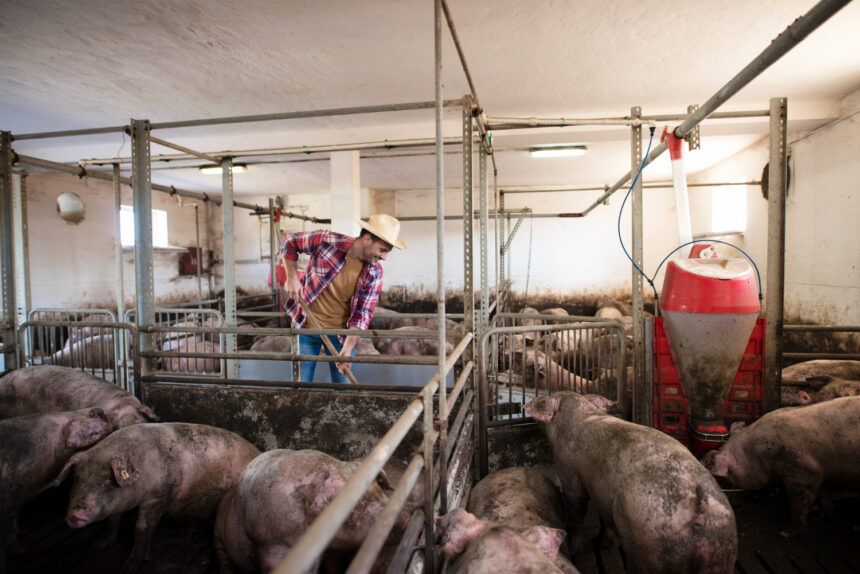
Land and housing are critical components of a successful pig farming operation. Pigs require well designed housing that provides protection from extreme weather, good ventilation, and proper drainage to maintain hygiene. Poor housing conditions can quickly lead to disease outbreaks and reduced productivity. Pens should be easy to clean, durable, and designed to separate pigs according to age and production stage, such as piglets, growers, and breeding sows. Adequate space allocation is important to reduce stress and improve growth performance. Location also matters, as farms should be situated away from residential areas to minimize environmental and odor concerns.
Breeding management plays a central role in pork production efficiency. Farmers can choose to start with breeding stock or purchase weaner pigs depending on their experience and capital. High quality breeding pigs with strong genetics ensure better litter sizes, faster growth rates, and improved meat quality. A sow can produce multiple piglets per litter, and with proper management, several litters can be achieved per year, making pigs one of the more productive livestock species. Careful record keeping helps track breeding cycles, farrowing dates, and piglet performance. Artificial insemination is also widely used in commercial pig farming to improve genetics and productivity.
Nutrition is one of the biggest cost factors in pig farming, often accounting for the majority of production expenses. Pigs require balanced diets that include energy, protein, vitamins, and minerals to support growth and reproduction. Feed quality directly affects growth rates, feed conversion ratios, and overall profitability. Many farmers use commercial feed formulations, while others work with nutritionists to develop custom rations based on production stages. Piglets, growers, and breeding sows all have different nutritional needs that must be carefully managed. Efficient feeding strategies reduce waste and improve financial returns.
Disease prevention and biosecurity are essential for maintaining a healthy and profitable pig farm. Pigs are susceptible to various diseases that can spread quickly if proper hygiene practices are not followed. Common risks include respiratory infections, digestive diseases, and viral outbreaks that can cause significant losses. Strict biosecurity measures such as controlled farm access, disinfecting equipment, and isolating new animals help reduce disease risk. Regular vaccination programs and veterinary support are also important for maintaining herd health. Clean water supply and proper waste management further reduce the risk of infection.
Marketing is a key factor that determines the success of pork production in South Africa. Farmers can sell pigs to abattoirs, butcheries, live animal markets, or directly to consumers depending on their scale of operation. Building relationships with buyers ensures more stable pricing and consistent demand. Market timing also matters because prices can fluctuate based on supply and seasonal demand. Value addition, such as supplying processed pork products, can significantly increase profitability. Farmers who understand market trends are better positioned to maximize returns from their production systems.
Financial planning is often overlooked but remains one of the most important aspects of starting a pig farm. Initial costs include land preparation, housing construction, breeding stock, feed, water systems, and veterinary services. Ongoing expenses such as feed, labor, and healthcare must be carefully managed to ensure cash flow remains stable. Many new farmers underestimate the working capital required to sustain operations during the early stages. Proper budgeting and financial tracking help prevent cash shortages and improve decision making. Access to financing or agricultural support programs can also help new farmers establish their operations more effectively.
Starting a pig farm in South Africa can be a profitable and sustainable agricultural venture when managed with discipline and proper planning. The industry offers strong demand, fast production cycles, and multiple market channels that support growth. However, success depends on attention to detail in housing, feeding, breeding, health management, and marketing. Farmers who treat pig production as a structured business are more likely to achieve long term profitability. With rising demand for pork products and increasing interest in efficient livestock systems, pig farming continues to present valuable opportunities within South African agriculture.
Join 'Farmers Mag' WhatsApp Channel
Get the latest Farming news and tips delivered straight to your WhatsApp
CLICK HERE TO JOIN