The North West Department of Agriculture and Rural Development has congratulated Salome Mathobela, an aquaculture farmer from Ventersdorp in JB Marks Local Municipality, on her selection to showcase her farming enterprise at an international platform in Tanzania. Mathobela will participate as an exhibitor at NC CoP12 in Tanzania from 6 to 9 October 2026. Her participation forms part of a site event focused on empowering women and youth as ocean leaders and examining environmental investment challenges affecting small-scale fisheries and aquaculture. The opportunity places a spotlight on the potential of aquaculture in the North West while recognising the contribution of rural women to agriculture, food security and economic development. It also gives Mathobela an opportunity to present the progress of her enterprise to an international audience and explore opportunities for partnerships, investment and market development.
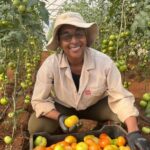
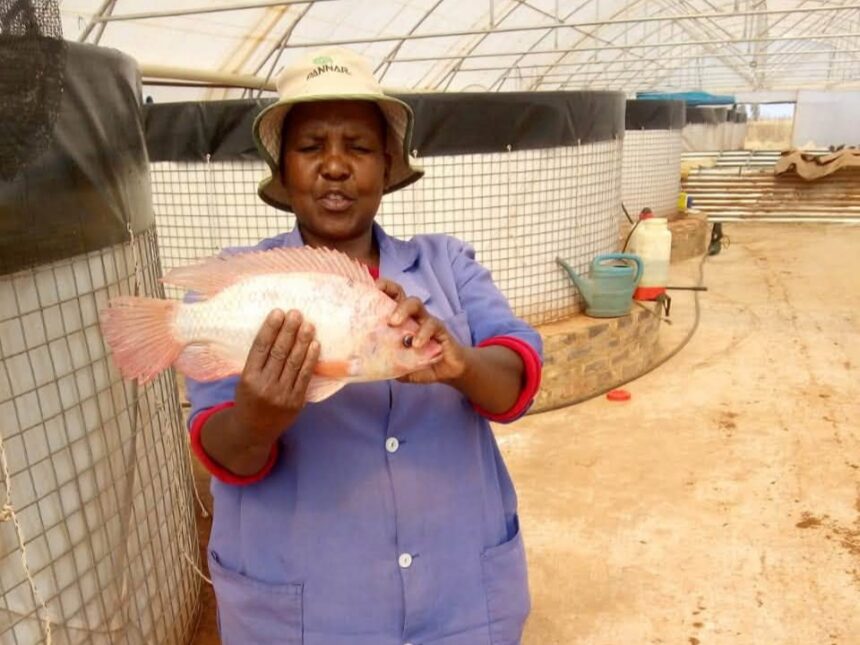
Mathobela operates Mathotshe Business Enterprise at Doornkop, approximately 30 kilometres from Ventersdorp in the JB Marks Local Municipality. The enterprise currently produces approximately 14 tonnes of fish per year and has expanded its operations to include vegetable production. This combination of fish farming and vegetable production demonstrates the enterprise’s broader approach to agricultural production and rural business development. Mathobela has established markets that include OK Grocer, Jonny Butchery and informal markets, giving the business several channels through which it can sell its produce. The enterprise also supports communities in JB Marks by providing access to Nile Tilapia, contributing to food security and creating opportunities for income generation.
The international event in Tanzania will focus on the role of women and youth in fisheries and aquaculture while examining the environmental investment challenges faced by small-scale producers. Mathobela’s participation is particularly significant because her experience provides a practical example of how a rural aquaculture enterprise can develop through infrastructure, production support, technical advice and entrepreneurial effort. The site event is a collaborative initiative involving the South African Network for Women in Fisheries and Aquaculture, NRF-SAEON, AUDA-NEPAD and Nelson Mandela University. Bringing together organisations with interests in fisheries, aquaculture, research and development creates an opportunity for participants to exchange knowledge and consider ways of strengthening the sector. Mathobela’s presence allows the North West to contribute a local farming perspective to these wider discussions.
The North West Department of Agriculture and Rural Development has played a role in supporting the development of Mathobela’s aquaculture enterprise. The department provided an aquaculture recirculating system consisting of seven ponds, along with production inputs to support fish farming activities. It also provided a solar system and two vegetable tunnels equipped with irrigation infrastructure and seedlings. These interventions form part of the department’s ongoing extension and advisory services to the farmer. The support is intended to strengthen productive capacity while giving Mathobela access to infrastructure and resources that can support the growth of her farming enterprise.
Mathobela has also demonstrated a commitment to reinvesting in her business. She has drilled and equipped an additional borehole for fish production, adding to the resources available to support aquaculture activities at the enterprise. This investment shows the role that farmers themselves can play in strengthening and expanding agricultural businesses when they identify opportunities for further development. The combination of government support and private reinvestment has helped create a foundation for continued production at Mathotshe Business Enterprise. Her experience illustrates the importance of both external agricultural support and farmer-driven investment in the development of rural enterprises.
Mathobela has achieved a notable milestone in South African aquaculture through her Nile Tilapia permit. She is recognised as the first Black woman in South Africa to receive a Nile Tilapia permit, while her enterprise also holds a Mozambique Tilapia permit. These permits are an important part of her aquaculture operations and reflect her participation in a specialised area of agricultural production. Her progress also highlights the increasing visibility of women in sectors that have traditionally required specialised infrastructure, technical knowledge and access to production resources. Her international participation provides an opportunity to build further recognition around her enterprise and the wider potential of women-led aquaculture businesses.
MEC Madoda Sambatha has expressed his support for Mathobela’s participation and wished her success as she represents the North West and South Africa in Tanzania. Sambatha highlighted the importance of providing rural women with infrastructure, production inputs, technical advice and opportunities that can help them develop sustainable businesses. The department’s support to Mathobela includes the seven-pond aquaculture recirculating system, production inputs, solar infrastructure and two vegetable tunnels with irrigation and seedlings. According to Sambatha, Mathobela’s progress demonstrates how government support can work alongside determination and entrepreneurship to strengthen rural businesses. He also encouraged her to use the international platform to promote the potential of aquaculture in the North West.
The Tanzania platform could provide Mathobela with opportunities to connect with other participants working in fisheries, aquaculture and related fields. International events can create space for farmers to share experiences, learn about different approaches and identify potential areas for collaboration. For Mathobela, the opportunity could help her explore partnerships, new markets and investment opportunities for her enterprise. The department has also encouraged her to bring back knowledge and innovations that could benefit other farmers in the North West. Such knowledge exchange can strengthen agricultural development when practical lessons from one enterprise are adapted to the needs of other producers.
The growth of Mathotshe Business Enterprise also demonstrates how aquaculture can contribute to food security in rural communities. Fish production provides a source of food while creating an agricultural business that can generate income through formal and informal markets. The enterprise’s production of approximately 14 tonnes of fish per annum provides a clear example of the scale that a rural aquaculture business can reach with appropriate infrastructure and support. Its expansion into vegetable production further broadens the enterprise’s contribution to local food production. Supporting diversified agricultural enterprises can help create stronger connections between farming, household food security and rural economic activity.
The participation of a North West aquaculture farmer at an international platform also draws attention to the role of women in rural economic development. Women farmers can contribute to food production, business development, employment opportunities and local market activity when they have access to appropriate resources and support. Mathobela’s enterprise demonstrates the potential of combining farming experience with entrepreneurship and investment in productive infrastructure. Her achievement can also provide visibility for women who are building businesses in aquaculture and other specialised areas of agriculture. Greater participation by women and young people can strengthen the agricultural sector by bringing more producers and entrepreneurs into the rural economy.
The department’s ongoing commitment to extension and advisory services remains important to the development of enterprises such as Mathotshe Business Enterprise. Infrastructure and production inputs can provide a strong starting point, but farmers also need technical guidance as they manage production, markets and business growth. Extension services can help producers apply appropriate farming practices and respond to challenges that arise during production. Continued advisory support can also help farmers identify opportunities to improve efficiency and expand their operations. Combining infrastructure, inputs, technical knowledge and farmer initiative creates a more comprehensive approach to agricultural development.
Mathobela’s story also places aquaculture within the wider fisheries and aquaculture value chain. Fish farming involves more than producing fish because successful enterprises must also manage inputs, production systems, water resources, marketing and relationships with buyers. The existence of established markets for Mathotshe Business Enterprise shows the importance of connecting production with customers. Expansion into vegetable production adds another dimension to the enterprise and demonstrates how farmers can diversify their activities. Strengthening these value chains can create opportunities for rural businesses while supporting local food availability.
Her selection to participate at NC CoP12 from 6 to 9 October 2026 therefore represents more than an individual achievement. It provides an opportunity to highlight the development of aquaculture in JB Marks Local Municipality and the North West while demonstrating the contribution of rural women to the agricultural economy. Mathobela will be able to present her experience as an aquaculture farmer, share lessons from developing Mathotshe Business Enterprise and engage with participants from other parts of the sector. The event can also help draw attention to the infrastructure, technical support and investment requirements associated with small-scale aquaculture. The knowledge and relationships developed through the event could potentially contribute to further opportunities for the enterprise and other farmers.
Mathobela’s participation in Tanzania reflects the potential that can emerge when agricultural support reaches rural entrepreneurs and when farmers combine that support with their own investment and determination. Her enterprise has developed from fish production into a diversified operation that includes vegetable production and established markets. The North West Department of Agriculture and Rural Development has supported this growth through infrastructure, production inputs, solar power, irrigation facilities and extension and advisory services. Mathobela’s international platform now provides an opportunity to showcase this progress while promoting the role of aquaculture in food security and rural economic development. Her achievement highlights the importance of creating meaningful opportunities for women and young people while continuing to strengthen the infrastructure, skills and market access needed to build sustainable agricultural businesses in the North West.
Join 'Farmers Mag' WhatsApp Channel
Get the latest Farming news and tips delivered straight to your WhatsApp
CLICK HERE TO JOIN