In the rolling hills of KwaNongoma, KwaZulu-Natal, Siphelele Titi Siyaya is turning a passion for agriculture into a growing business with an expanding role in rural economic development. A teacher by profession, Siyaya looked beyond the classroom and began building an agricultural enterprise using the discipline, savings and knowledge she had developed through her career. What started as a modest piggery has developed into a broader agribusiness that includes pig farming, meat processing and poultry production. Her progress has also been supported through the NYDA Grant Programme, providing an important boost as she continues to develop her enterprise. Today, her business employs five full-time workers and is creating opportunities that extend beyond her own entrepreneurial journey.
Siyaya did not begin her business journey with an established network of investors or a large pool of capital. She started with what she had, including the income from her teaching profession and the discipline to save towards a long-term goal. Each amount she set aside helped create a financial foundation for purchasing livestock, developing facilities and gaining the knowledge needed to manage an agricultural operation. This approach required patience because building a farming business takes time and involves risks that cannot always be predicted. Her experience shows how disciplined saving and careful planning can help an aspiring entrepreneur move from an idea to a functioning agricultural enterprise.
The transition from teaching to agribusiness required courage, patience and a willingness to learn. Siyaya invested in livestock, infrastructure and training while gradually developing the skills required to manage her farming operation. Her background in education became an unexpected advantage because teaching had already equipped her with skills in planning, record keeping, communication and continuous learning. She approached the development of her business in a structured way by setting objectives, observing results and improving her methods over time. This approach allowed her to grow without treating expansion as something that had to happen immediately.
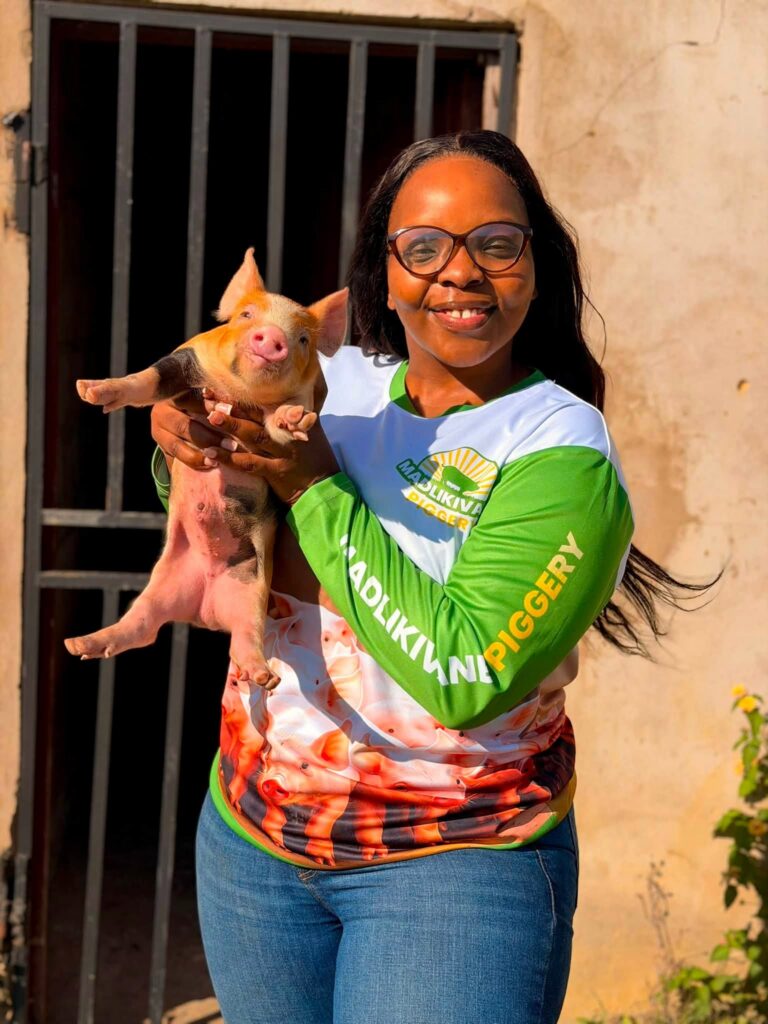
Pig farming became the foundation of Siyaya’s agricultural enterprise and provided the starting point for her move into value-added production. Through Madlikivane Piggery, she specialises in pig farming and livestock production, including the rare Idaho Pasture Pig breed. The breed forms an important part of the identity of her enterprise, with the pigs producing Red Pork meat. Developing a specialised livestock business requires an understanding of production and the ability to build a market around a distinctive offering. For Siyaya, pig farming created the platform from which she could explore opportunities further along the agricultural value chain.
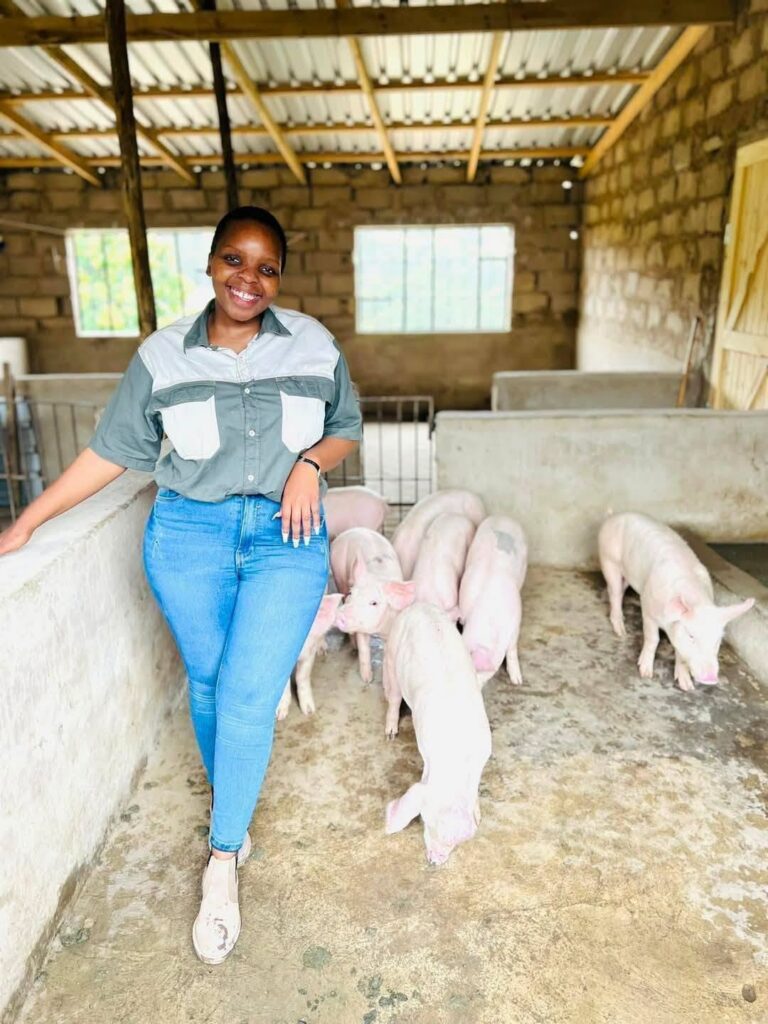
As demand for her pork products grew, Siyaya identified an opportunity to move beyond selling livestock and develop meat processing activities. This was a significant step because processing allowed the business to participate in more stages of the value chain and offer customers finished meat products. The move required investment in equipment, facilities, training and compliance with relevant health and food safety requirements. It also brought new operational responsibilities that required careful management and continued reinvestment. By moving into meat processing, Siyaya strengthened the connection between livestock production and food production while creating a broader foundation for business growth.
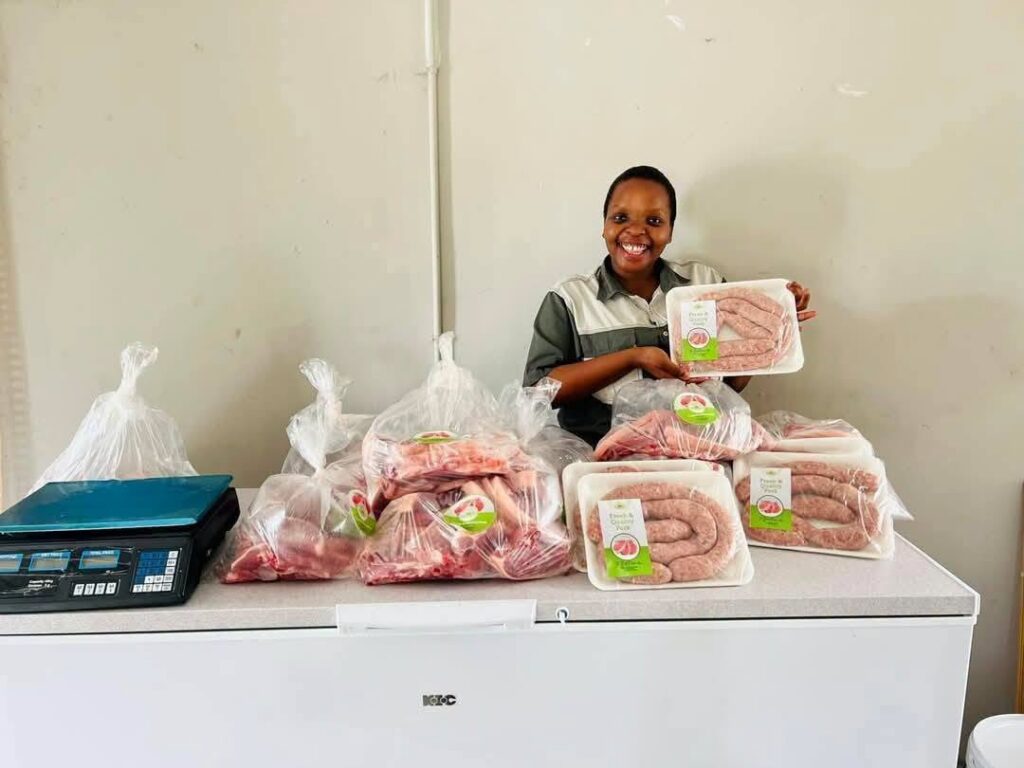
The development of a meat processing operation demonstrates the importance of value addition in agriculture. Farmers who can move beyond primary production and participate in processing can create additional business activities around the products they produce. For Siyaya, this meant using her experience in pig farming as a foundation for a more integrated agribusiness. The transition was not simply about increasing the number of products available to customers, but about developing greater control over the production process and building a business with several connected activities. Her experience shows how agricultural entrepreneurs can look for opportunities to create more value from the products already at the centre of their businesses.
Support through the NYDA Grant Programme has provided another important opportunity in the development of Siyaya’s business. For an emerging rural entrepreneur, access to business support can help strengthen operations and create capacity for future growth. Such support becomes particularly relevant when an enterprise is moving from a small-scale farming activity towards more developed agricultural and processing operations. In Siyaya’s case, the support comes as Madlikivane Piggery continues to expand and prepares for further development. The grant forms part of a wider journey in which her own savings, agricultural experience and continued investment have helped build the business over time.
Siyaya’s enterprise has also expanded into poultry farming, adding another dimension to her agricultural activities. With experience in pig farming and meat processing, she identified poultry as a complementary opportunity that could broaden the business’s production base. The expansion demonstrates her ability to identify opportunities while keeping agriculture and food production at the centre of her business strategy. Poultry farming also gives the enterprise another line of production and the potential to serve different consumer needs. This move reflects a deliberate effort to develop a diversified agribusiness rather than depending entirely on one agricultural activity.
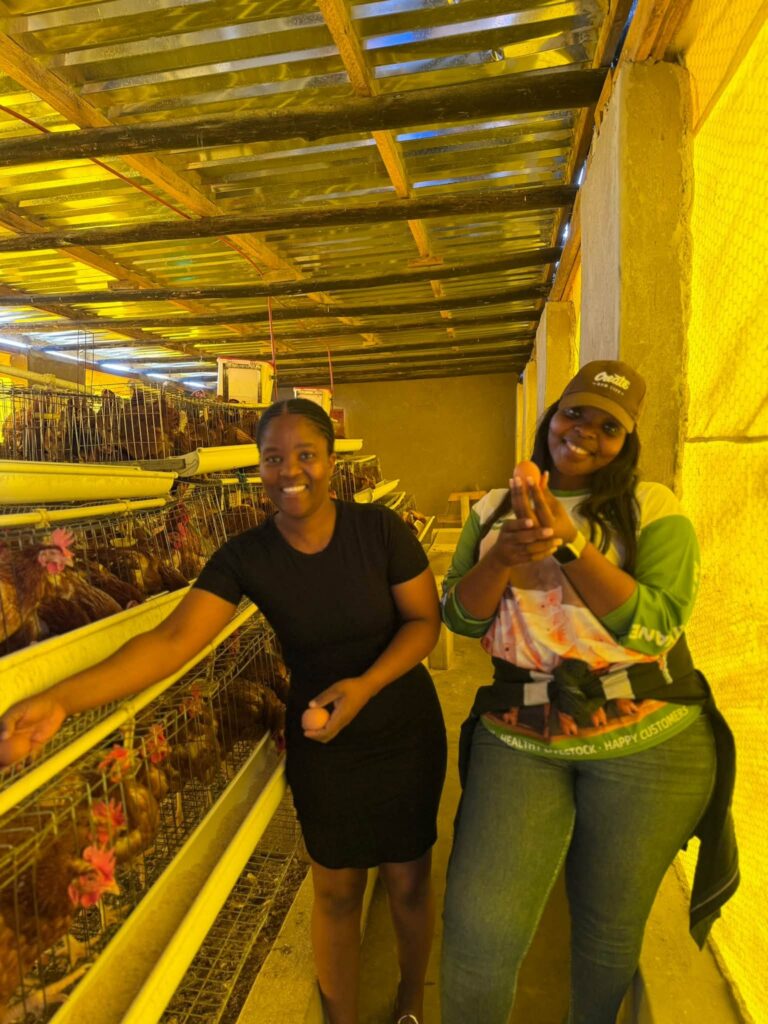
Diversification, however, requires careful planning because every new enterprise brings its own production, financial and management demands. Siyaya’s expansion into poultry has taken place alongside her existing pig farming and meat processing activities, meaning that the business must manage several connected operations. Her previous experience provides a foundation for understanding livestock production, labour management and the importance of maintaining consistent business systems. The ability to diversify while keeping control of the core operation is an important part of building a sustainable agricultural enterprise. Siyaya’s journey demonstrates that diversification can be most useful when it builds on existing knowledge and complements the main business.
The growth of Madlikivane Piggery and Siyaya’s wider agricultural activities has also created employment opportunities in KwaNongoma. The business now employs five full-time workers, giving the enterprise a direct role in supporting livelihoods within the local community. As the business expands, it is also preparing to welcome a new employee, creating another opportunity linked to its continued development. Employment creation is especially important in rural communities where growing agricultural enterprises can provide income opportunities close to where people live. Through its expansion, Madlikivane Piggery is therefore contributing not only to food production but also to local economic activity.
The employment created by the business adds another important dimension to Siyaya’s entrepreneurial journey. A successful agricultural enterprise can have an impact that reaches beyond the person who owns the farm because workers, suppliers, customers and other local businesses can become part of its economic activity. As Madlikivane Piggery grows, its ability to employ people demonstrates how agricultural production can contribute to rural livelihoods. The planned addition of another worker is a practical indication that the enterprise is continuing to develop. This creates a link between business growth and the wider goal of expanding economic opportunities in the community.
Siyaya’s journey has not been without challenges. Managing agricultural production requires careful attention to livestock, infrastructure, operating costs and market conditions, while her transition from teaching meant that she also had to balance professional responsibilities with the demands of building a new enterprise. Rising input costs and the practical challenges of developing infrastructure can place pressure on emerging agricultural businesses. Instead of allowing these challenges to end her plans, Siyaya continued to learn, adjust her approach and look for ways to improve efficiency. Her experience shows that resilience in entrepreneurship is not simply about enduring difficult periods but also about using challenges to improve decision-making.
One of the strongest lessons from Siyaya’s experience is the importance of continuous learning. Her professional background in education gave her an understanding of how knowledge can be developed through practice, assessment and improvement. She applied this mindset to agriculture by investing in training and learning how to manage her livestock and business more effectively. Farming requires technical knowledge, but successful agribusiness also depends on understanding customers, managing finances, maintaining records and developing staff. Siyaya’s ability to transfer skills from teaching into agriculture demonstrates how experience from one profession can become valuable when building a business in another sector.
Her approach to reinvesting in the business has also been central to its development. Agricultural enterprises require ongoing investment because livestock, infrastructure, equipment, feed, labour and processing activities all create costs that must be managed carefully. Siyaya used resources to strengthen the business rather than treating the early stages of growth as the final destination. This allowed her to move gradually from pig farming into meat processing and then into poultry production. The combination of reinvestment and expansion has helped create a broader enterprise with several connected agricultural activities.
Siyaya’s story also highlights the contribution women can make to agriculture and rural entrepreneurship in KwaZulu-Natal. Her development of a livestock and meat processing business demonstrates that women can build enterprises across different stages of the agricultural value chain. Through Madlikivane Piggery, she is not only participating in agricultural production but also creating employment and contributing to local food production. Her progress provides an example of how rural women can use entrepreneurship to create economic opportunities while remaining connected to their communities. The growth of her enterprise adds to the wider contribution of women-led businesses in the agricultural economy.
The story of Madlikivane Piggery also demonstrates the importance of developing rural businesses around identifiable opportunities. Siyaya’s focus on the Idaho Pasture Pig gives the enterprise a distinctive production identity, while her move into meat processing allows her to add value to livestock produced through the business. Her expansion into poultry adds another area of production and broadens the scope of the agribusiness. Each stage has built on the knowledge and experience gained from the previous stage rather than representing a complete departure from the original business. This gradual development provides a practical example of how a small agricultural enterprise can evolve into a more diversified business.
The next phase of Siyaya’s journey will require continued attention to sustainable growth and effective management. Expanding a business brings new responsibilities, particularly when it involves livestock production, food processing, poultry farming and a growing workforce. Maintaining good production systems, managing costs and responding to customer needs will remain important as the enterprise develops. The support received through the NYDA Grant Programme provides an additional opportunity to strengthen the business as it moves forward. The combination of entrepreneurial determination, agricultural experience and business support gives Madlikivane Piggery a foundation from which it can continue pursuing further growth.
Siphelele Titi Siyaya’s journey from teacher to agribusiness entrepreneur is a story of steady progress built on saving, learning, investment and calculated risk-taking. What began as a modest piggery has developed into a growing enterprise connected to pig farming, the specialised production of Idaho Pasture Pigs and Red Pork meat, meat processing and poultry farming. Through Madlikivane Piggery, Siyaya has created five full-time jobs and is preparing to welcome another employee as the business expands. Support through the NYDA Grant Programme has added momentum to an enterprise that she has developed through years of personal effort and reinvestment. Her journey from the classroom to agriculture shows how determination and strategic thinking can turn a modest starting point into a business that contributes to food production, employment and rural economic development in KwaNongoma.
Join 'Farmers Mag' WhatsApp Channel
Get the latest Farming news and tips delivered straight to your WhatsApp
CLICK HERE TO JOIN