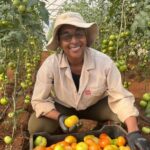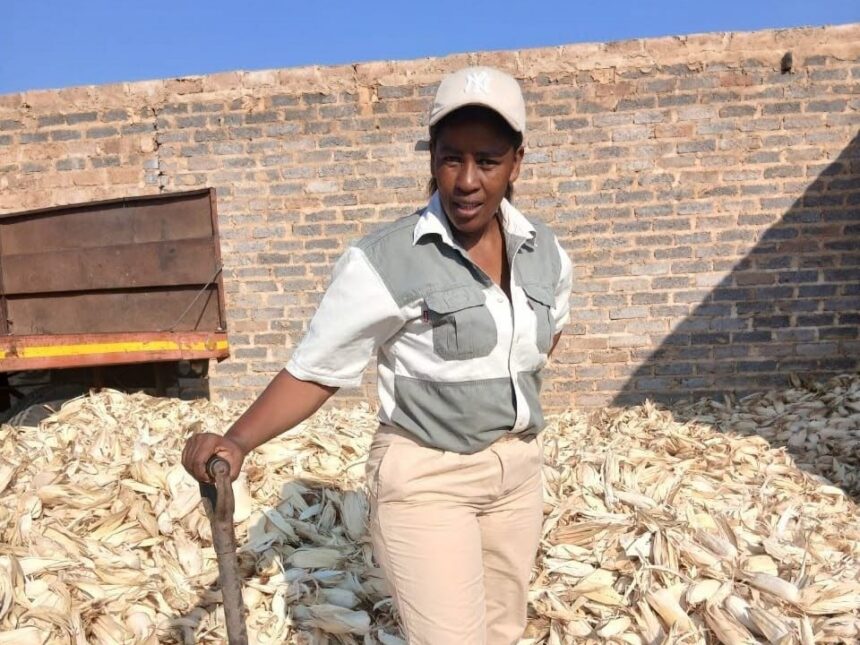
Ten years ago, Katlego Kubedi stood among the ashes of the shack that had been set alight by her ex-husband and faced a future filled with uncertainty. Instead of allowing the devastating experience to define her life, she gathered the corrugated iron left behind and used it to construct the roof of her first chicken coop. That simple act became a powerful symbol of determination and marked the beginning of a farming journey that would transform her life and inspire many others. Today, Katlego is a successful poultry and crop farmer who supplies broilers and eggs to customers in her community, tertiary institutions and government clients. Her journey shows how courage, perseverance, a willingness to learn and a strong belief in oneself can help a person rebuild even after experiencing profound hardship.
Katlego was born in Khunwana Village in Tswaing, about 15km from Kraaipan, and grew up in a rural environment where opportunities were limited. Her parents later relocated to Bethel Village in Itsoseng while she was in Grade 11, and she completed her matric at ZM Seatlholo Secondary School. Just one year after finishing school, Katlego got married at the age of 19. She came from a poor background, and she says her parents had largely seen marriage as the main future available to their daughter. Her father worked as a builder and earned a modest income, while Katlego found herself in a marriage where her background was repeatedly used against her and where she experienced abuse.
After 18 years of marriage, Katlego made the difficult decision to leave because she did not want her children to grow up believing that violence and insults were normal parts of a relationship. She left with almost nothing, taking only her identity document and clothes as she returned to Bethel Village. The decision was not easy, but it gave her the opportunity to begin rebuilding her life on her own terms. She had four children from the marriage, Tlotlo, Kearoma and twins Pakiso and Maduo, and protecting their future became one of the strongest motivations behind her decision. Katlego wanted her children to see that it was possible to walk away from an abusive environment and create a different future through courage and determination.
Back in Bethel Village, Katlego started a backyard garden where she planted spinach, cabbage and beetroot. She used some of the vegetables for her own household but sold most of the produce to people in the village, giving her an early source of income. Her determination became even stronger after her shack was burned down, as she realised that she needed to find a practical way to support herself and her children. Poultry farming soon emerged as an obvious opportunity because Katlego had raised chickens as a child and understood that the business could be started on a relatively small scale. She recognised that chickens needed warmth, clean water and proper housing, and she was prepared to find solutions even when she did not have access to electricity or significant financial resources.
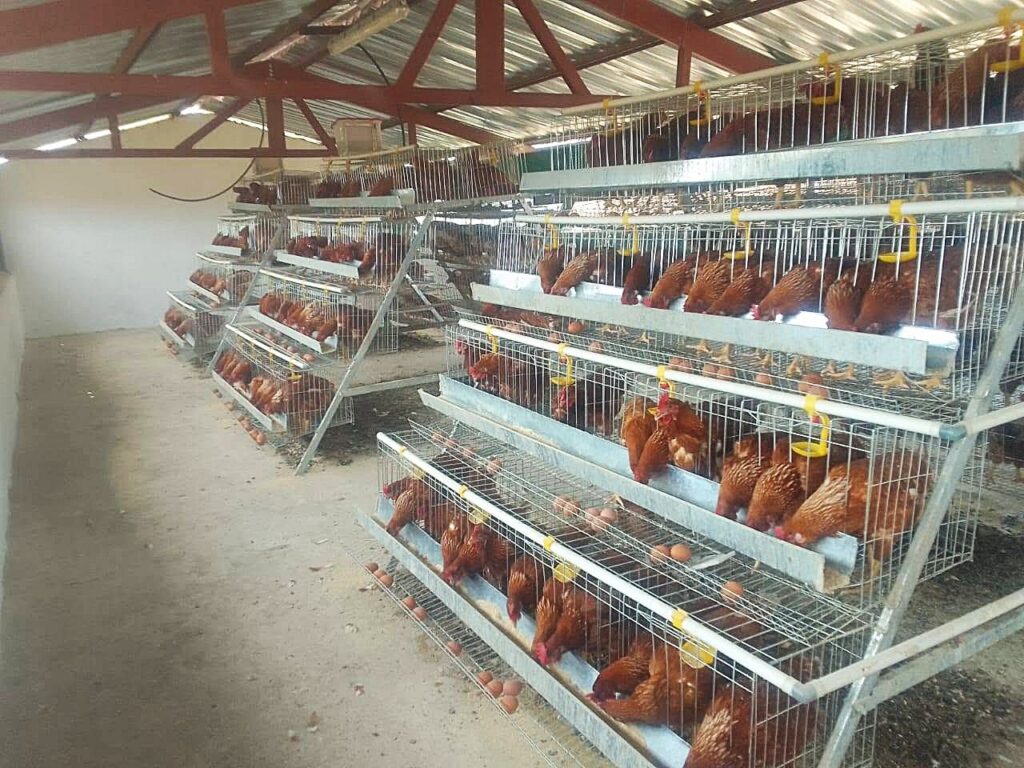
With assistance from her father, Katlego built her first chicken coop and started with just 30 broilers. Those first chickens represented much more than the beginning of a farming enterprise because they gave her a new source of hope and independence. She later constructed a layer house and expanded her poultry operation to three structures. Her early experience also taught her the importance of learning about animal health, feeding and vaccination rather than simply relying on instinct. She initially sourced chicks from Opti Chicks and later from Superior Chicks, where the comprehensive vaccination schedules helped her understand what treatments the birds needed and when they needed them.
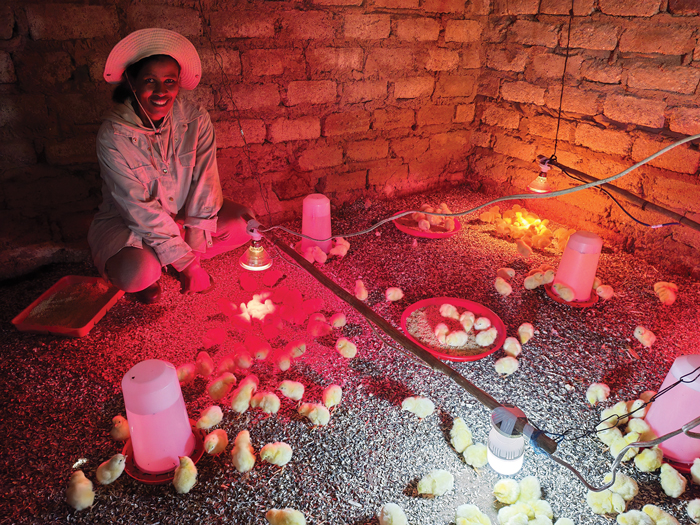
Katlego also made a point of seeking advice whenever she encountered something she did not understand. When she came across unfamiliar ailments or other poultry challenges, she approached NWK Retail in Lichtenburg or Mahikeng for guidance on suitable products and solutions. This willingness to ask questions and learn from people with more experience became an important part of her development as a farmer. Her poultry business gradually grew to the point where she could supply broilers and eggs to fellow villagers, tertiary education institutions and government clients. She also uses Facebook and WhatsApp to promote her products, demonstrating how traditional farming can be strengthened through modern communication and marketing tools.
The poultry operation has also played an important financial role in supporting Katlego’s wider farming ambitions. Broilers provide relatively regular cash flow while crops take longer to mature and generate an income. This has allowed her to balance different agricultural enterprises and use income from one part of the business to support another. Rather than depending on a single source of revenue, Katlego has built a diversified farming operation that includes poultry, crops and an emerging Boer goat enterprise. Her approach demonstrates how small-scale farmers can gradually expand by reinvesting profits and identifying opportunities that complement each other.
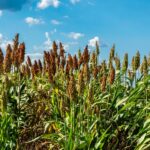
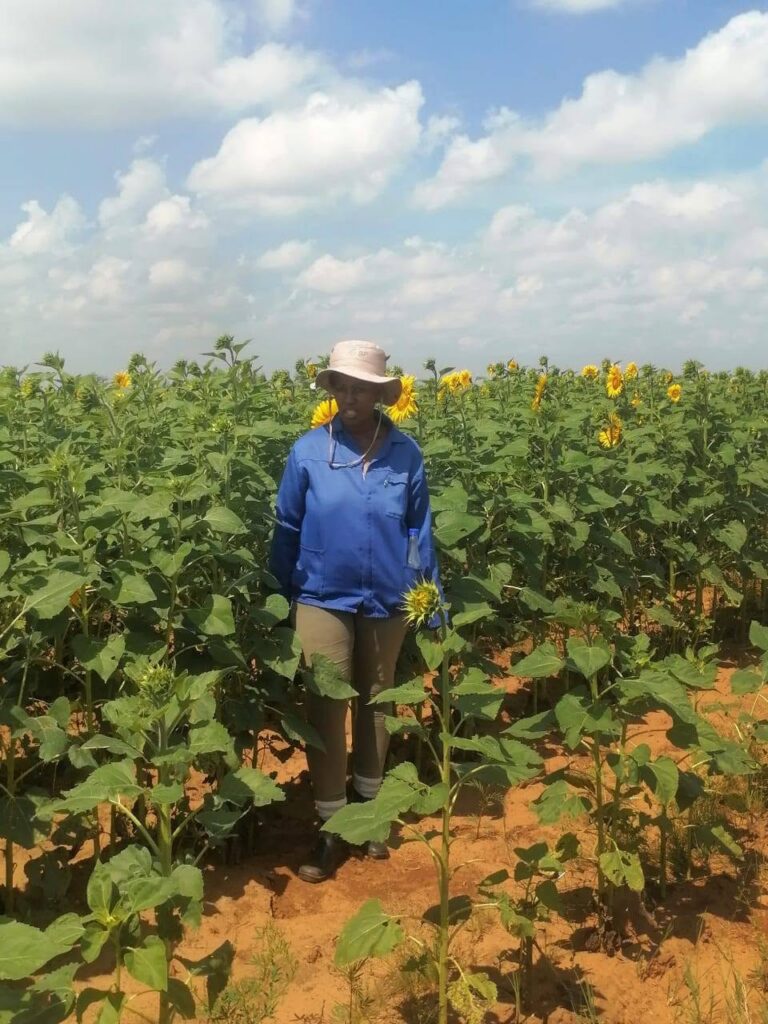
Katlego moved into commercial crop production in 2023 when she planted 10ha of sunflower. She financed the inputs using money she had saved from her broiler and layer businesses, showing how her poultry operation had become the foundation for the next stage of her agricultural journey. In 2024, she expanded into maize by planting 15ha, before increasing the area to 30ha in 2025. Her progress in crop farming was supported by mentorship from Morapedi Molema, a farmer in the Stella area who taught her important practical skills such as calibrating a planter and boom sprayer. Katlego also rents his machinery, which helps her access equipment without having to carry the full cost of owning every machine required for large-scale crop production.
Her decision to join Grain SA opened another important chapter in her development. Through the organisation, she received mentorship from Du Toit van der Westhuizen, Grain SA’s regional development manager based at the Lichtenburg office. Katlego says her passion for agriculture pushed her to read extensively and learn everything she could about farming. That hunger for knowledge has helped her move from raising chickens as a childhood hobby to managing a diversified agricultural business. Her story highlights that successful farming requires more than land and equipment because knowledge, mentorship, adaptability and a willingness to learn are equally important resources.
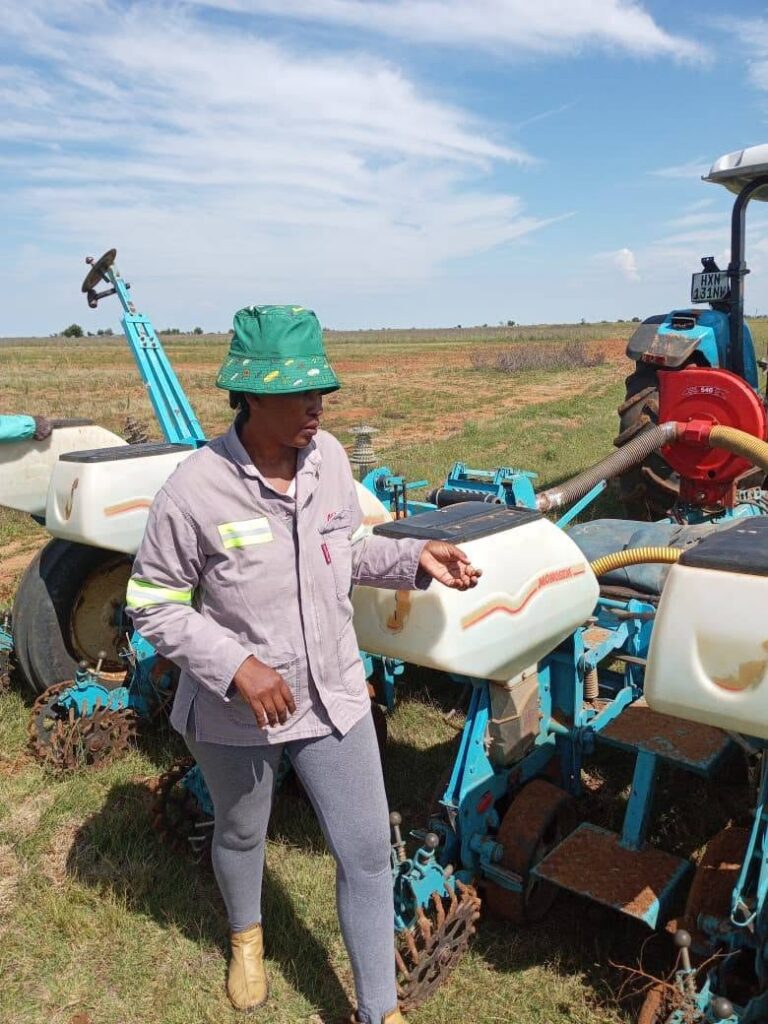
Katlego’s hard work began producing tangible rewards when she achieved a strong harvest and used the profits to purchase a second-hand tractor. The purchase was an important milestone because it represented the financial progress she had made through years of building her farming enterprises. She plants Dekalb seed from Bayer and uses the company’s crop protection products, which also led to her nomination for Bayer’s Female Farmer of the Year Award by a fellow member of Women in Agriculture and Rural Development. Winning the award in early September last year became another major turning point in her career. She received DeKalb products worth R15 000, but she says the recognition itself was far more valuable because it represented an achievement she had never imagined possible and provided motivation for her children and other women.
The award also brought Katlego opportunities to connect with institutions that could help her expand her agricultural knowledge. North-West University approached her agricultural sciences department to partner on a regenerative agriculture trial, exposing her to new approaches to soil health and sustainable farming. Before this opportunity, she had never routinely taken soil samples for analysis and had limited knowledge about the challenges associated with monocropping. Working with university experts and Grain SA helped her understand why soil analysis is important when choosing cultivars and determining which chemicals and inputs are appropriate for particular fields. The experience shows how recognition can open doors, but also how successful farmers continue to grow by remaining open to new knowledge and professional guidance.
Katlego’s success has not come without significant challenges, particularly as a woman operating in an agricultural environment that she describes as heavily dominated by men. She says some male farmers in her village view her as a threat and are unwilling to assist her, forcing her to look beyond her immediate community for people who are prepared to share knowledge and resources. Machinery costs are another challenge because she often has to rent equipment rather than owning everything needed for her crop operation. Crop theft on communal land also creates serious difficulties, while stray animals can damage crops and fencing can be stolen. Despite these obstacles, Katlego refuses to allow the challenges to stop her and instead focuses on finding practical solutions and building relationships with people who are willing to support her.
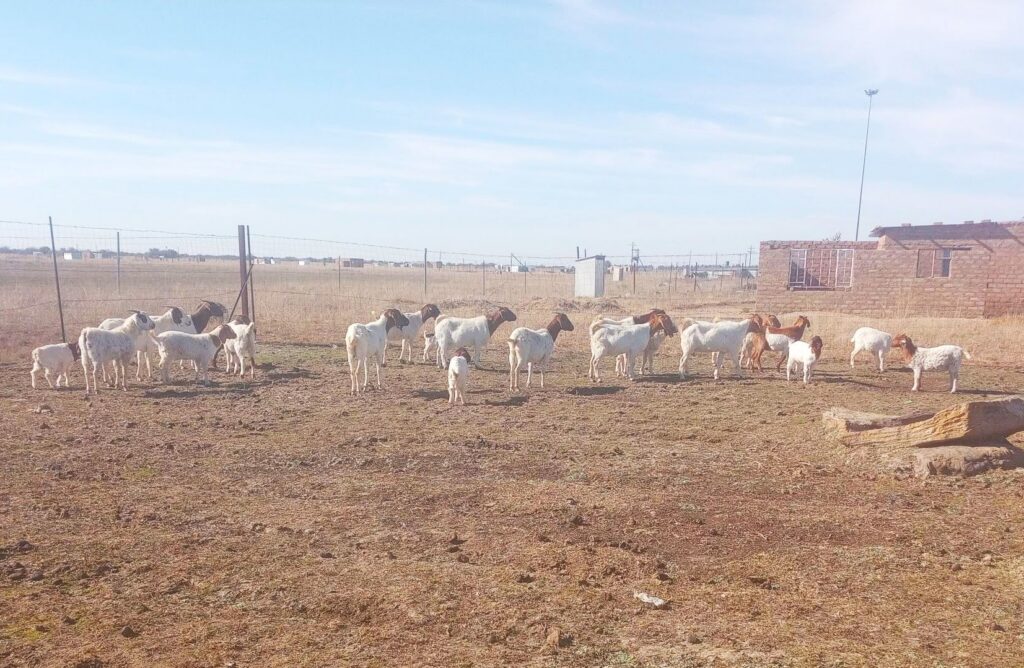
Her farming operation has also become a source of employment for the community. Katlego currently provides work for about 30 seasonal workers from the village, as well as two tractor operators. This means that the success of her farming business extends beyond her own household and creates opportunities for other families in the community. She is also developing a Boer goat herd, with the males sold at auctions to generate additional cash flow for periods when the poultry business requires significant expenditure. The combination of poultry, crops and goats gives her different income streams and helps strengthen the resilience of the overall enterprise.
For Katlego, farming is about far more than producing food or generating an income. She describes farming as therapy and says it gave her something meaningful to focus on while raising her children and rebuilding her life. Her belief in the power of farming is reflected in the way she views every seed that goes into the soil, hoping that it will become a source of food, employment and opportunity. The farm has provided her with a place she can call home and has given her the ability to create salaries for people who depend on employment. Her declaration that she will die a farmer captures just how deeply agriculture has become connected to her identity, purpose and future.
Katlego’s farming journey has also become a family affair, with her children now contributing their own skills and education to the business. Her daughter Maduo completed a diploma in crop science at North-West University and joined her mother in the farming operation. Tlotlo is studying environmental science, geography and computer studies at the university and can contribute knowledge that is particularly useful as the farm navigates changing weather conditions and agricultural challenges. Katlego sees the family as a team where each person brings different knowledge and abilities to the business. Their involvement also demonstrates how farming can become a platform for intergenerational learning, entrepreneurship and economic opportunity.
Her message to women who want to escape abusive relationships is deeply connected to her own experience. Katlego believes women must find the courage to break free from situations that prevent them from living peaceful and productive lives. She argues that outside support can help, but ultimately a person has to make the decision to take the first step towards changing their circumstances. Her advice is not limited to farming because she encourages women to look at the skills they already possess and consider how those skills can become sources of income. Whether it is gardening, sewing or another practical ability learned during childhood, she believes there is always something within a person that can become the beginning of a new journey.
Katlego’s message about making a fresh start is particularly powerful because her own life demonstrates what can happen when someone refuses to remain defined by their past. She encourages women to remember what they enjoyed and learned when they were younger and to use those abilities as starting points for building independence. Her belief that life is filled with choices has become a guiding principle in her own journey, particularly her decision to choose peace, growth, faith and perseverance over fear. The transformation from a woman who left an abusive marriage with only her ID and clothes to an award-winning farmer and employer is a powerful reminder that progress can begin with very small steps. Katlego’s story shows that rebuilding a life does not always happen through one dramatic breakthrough, but through countless decisions to keep moving forward.
She also acknowledges the people and organisations that have contributed to her progress, including Bayer, North West’s Department of Agriculture and the department’s Mafikeng office. She credits an extension officer who recognised her work and recommended classes that helped her expand her agricultural knowledge. Her gratitude also extends to her community and customers who supported her businesses as they developed. While mentorship, access to knowledge and agricultural support have played important roles, Katlego’s determination to learn and apply what she learned has been equally significant. Her journey demonstrates the value of combining personal resilience with the willingness to accept guidance and make use of available opportunities.
Katlego Kubedi’s story is ultimately one of transformation, courage and hope. Ten years after collecting corrugated iron from the ashes of her burned shack to build her first chicken coop, she has developed a diversified farming operation that includes poultry, maize, sunflower and Boer goats. She has become a supplier, an employer, an award-winning farmer and a mentor-like example to women who may believe that their circumstances have already determined their future. Her journey proves that success does not always begin with money, land or expensive equipment, but can begin with a decision to start with whatever is available and learn along the way. Katlego is proof that with the right mindset, perseverance and an eagerness to learn, one can literally rise from the ashes and build a life that inspires others.
Join 'Farmers Mag' WhatsApp Channel
Get the latest Farming news and tips delivered straight to your WhatsApp
CLICK HERE TO JOIN