Agricultural research and development have become essential drivers of growth, sustainability and competitiveness in South Africa’s farming sector. As farmers face rising production costs, changing climate conditions, water shortages and evolving consumer demands, research provides practical solutions that help improve productivity and profitability. Advances in science and technology continue to transform how crops are grown, livestock are managed and natural resources are protected. Research institutions, universities, government departments and private companies all play an important role in generating knowledge that benefits farmers of every scale. By tapping into agricultural research and development, South African producers can make better decisions, reduce production risks and strengthen the long-term resilience of their farming operations.
South Africa has built a strong agricultural research system that supports a wide range of farming industries. Researchers work across numerous disciplines, including crop science, animal production, soil management, plant breeding, water conservation, agricultural engineering and food technology. Their work focuses on solving real challenges faced by farmers while identifying new opportunities to increase efficiency and sustainability. Research findings often lead to improved farming methods, better crop varieties and more effective livestock management systems. These innovations contribute directly to higher agricultural productivity while supporting food security across the country.
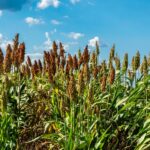
One of the greatest benefits of agricultural research is the development of improved crop varieties that can withstand changing environmental conditions. South African farmers regularly experience drought, heatwaves and unpredictable rainfall, making climate resilience increasingly important. Plant breeders develop crop varieties that are more tolerant of drought, resistant to diseases and capable of producing higher yields under difficult conditions. Improved seed varieties can help farmers reduce losses while maintaining consistent production even during challenging seasons. Investing in these innovations strengthens the country’s ability to produce sufficient food despite environmental uncertainty.
Livestock research also plays a critical role in supporting South Africa’s agricultural economy. Scientists study animal nutrition, breeding, genetics, disease prevention and reproductive management to improve livestock productivity and health. Better feeding strategies help farmers reduce costs while increasing meat and milk production. Advances in animal breeding allow producers to improve the genetic quality of their herds, resulting in stronger, healthier and more productive animals. Veterinary research further strengthens the livestock sector by developing improved disease surveillance systems, vaccines and biosecurity measures that protect both farmers and consumers.
Water management has become one of the most important areas of agricultural research in South Africa. Water scarcity continues to affect many farming regions, making efficient irrigation and conservation practices essential for long-term sustainability. Researchers develop irrigation technologies that use less water while maintaining high crop yields. Studies also examine soil moisture conservation, rainwater harvesting and precision irrigation techniques that improve water use efficiency. These innovations allow farmers to maximise every available litre of water while reducing operating costs and protecting valuable natural resources.
Soil health research provides another important foundation for successful farming. Healthy soils support higher crop yields, improve water retention and reduce the need for excessive fertiliser use. Researchers investigate methods to improve soil fertility through crop rotation, conservation agriculture, organic matter management and responsible fertiliser application. Protecting soil quality also reduces erosion and supports long-term agricultural productivity. Farmers who apply research-based soil management practices are often better positioned to maintain profitable and sustainable farming systems over many years.
Agricultural technology continues to reshape farming across South Africa. Precision agriculture uses satellite imagery, drones, sensors and digital mapping to help farmers monitor crop health, manage irrigation and apply fertilisers more accurately. Modern equipment allows producers to make data-driven decisions that improve efficiency while reducing unnecessary input costs. Digital platforms also provide access to weather forecasts, market information and production advice that support better planning throughout the farming season. As technology becomes more widely available, farmers are increasingly able to improve productivity while managing resources more effectively.
Agricultural research also supports the development of value-added industries that strengthen the country’s economy. Research into food processing, packaging, storage and product development creates opportunities for farmers to diversify their income beyond primary production. Adding value to agricultural products allows producers to access new markets and increase profitability. Researchers also help improve food safety standards and quality assurance systems that enhance consumer confidence in South African agricultural products. These developments strengthen the entire agricultural value chain while supporting economic growth and job creation.
Collaboration remains one of the most important factors behind successful agricultural research and development. Government departments, research institutions, universities, agricultural organisations and private companies frequently work together to address common challenges facing the sector. Farmers themselves also play an important role by participating in field trials, sharing practical experience and helping researchers evaluate new technologies under real farming conditions. This partnership ensures that research remains relevant to the needs of the industry and delivers practical solutions that can be adopted on farms. Strong collaboration accelerates innovation while improving the transfer of knowledge from research institutions to agricultural producers.
Extension services help bridge the gap between scientific research and practical farming. Agricultural advisors and extension officers work directly with farmers to demonstrate new technologies, explain research findings and recommend best management practices. Their support enables producers to adopt innovations more confidently while reducing the risks associated with changing production methods. Continuous training and knowledge sharing also improve farmers’ ability to adapt to new challenges as they arise. Effective extension services ensure that valuable research reaches farming communities where it can have the greatest impact.
Tapping into agricultural research and development offers significant opportunities for South African farmers to improve productivity, strengthen resilience and remain competitive in an increasingly demanding agricultural environment. Advances in crop science, livestock management, water conservation, soil health and agricultural technology continue to provide practical solutions that address the challenges facing modern farming. Strong partnerships between researchers, government, universities, industry and farmers ensure that innovation remains focused on delivering real benefits across the agricultural sector. As climate pressures, population growth and market demands continue to evolve, research and development will remain essential for supporting food security and sustainable agricultural growth. Farmers who embrace research-driven innovation will be better equipped to build productive, profitable and resilient farming enterprises that contribute to South Africa’s agricultural success for many years to come.
Join 'Farmers Mag' WhatsApp Channel
Get the latest Farming news and tips delivered straight to your WhatsApp
CLICK HERE TO JOIN