Starting a farm in South Africa is both exciting and challenging, especially for first-time farmers who need to make smart investment decisions from the beginning. The right farm equipment can improve productivity, reduce labor costs and help farmers complete essential tasks efficiently throughout the year. South Africa’s farming industry includes crop production, livestock farming, mixed farming and horticulture, each requiring reliable tools and machinery to support daily operations. While it may be tempting to purchase every available piece of equipment, new farmers should focus on equipment that offers the greatest value and supports multiple farming activities. Investing in quality machinery from trusted suppliers can save money over time by reducing breakdowns and increasing operational efficiency.
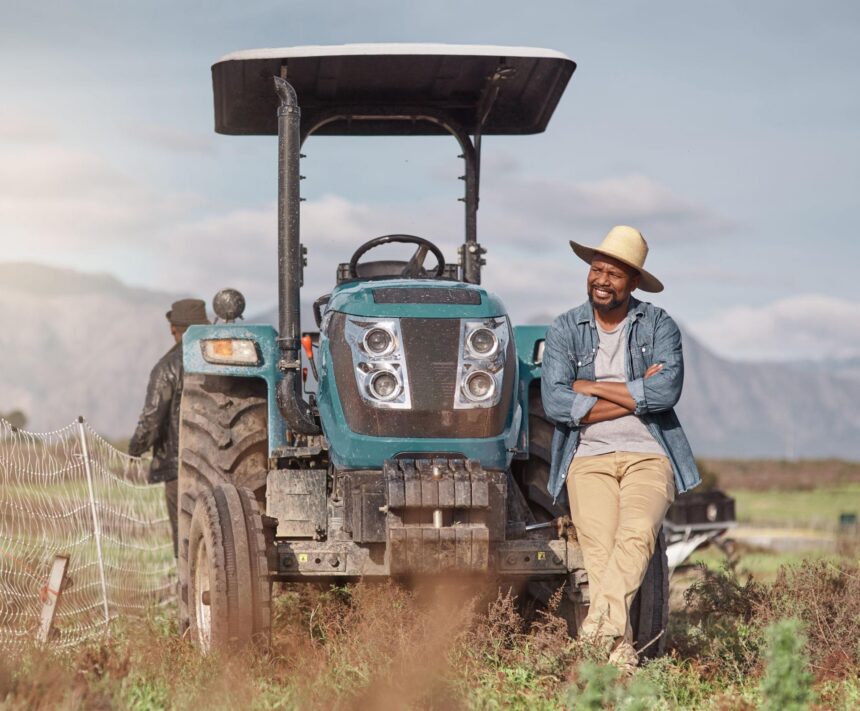
One of the first pieces of equipment every new farmer should consider is a reliable tractor. A tractor is often described as the heart of any farming operation because it performs numerous tasks across different types of farms. Whether preparing fields, pulling trailers, transporting feed or operating other implements, a tractor provides the power needed for daily work. Small farms may only require a compact tractor with lower horsepower, while larger operations may need more powerful models capable of handling heavy equipment. Choosing the correct size ensures that the tractor can complete tasks efficiently without unnecessary fuel consumption or excessive maintenance costs.
Alongside a tractor, farmers should invest in essential tractor implements that increase its usefulness. Implements such as ploughs, harrows and cultivators prepare the soil before planting by breaking up compacted ground and improving soil structure. Seed planters help ensure crops are planted at consistent depths and spacing, leading to better germination and healthier plant growth. Fertilizer spreaders allow nutrients to be distributed evenly across fields, supporting stronger yields while reducing waste. With the right combination of implements, one tractor can perform dozens of different agricultural tasks throughout the farming season.
Water management equipment is another critical investment for South African farmers because rainfall can be unpredictable in many regions. Irrigation systems help maintain consistent soil moisture during dry periods and improve crop performance. Pumps, water tanks and piping systems ensure water reaches fields, livestock and storage facilities efficiently. Drip irrigation systems are particularly valuable because they deliver water directly to plant roots while minimizing evaporation and water waste. Proper irrigation equipment allows farmers to produce crops more consistently even during periods of limited rainfall.
Sprayers are equally important for protecting crops from weeds, pests and diseases. Whether using handheld sprayers for smaller plots or boom sprayers for larger fields, farmers need equipment that distributes chemicals accurately and safely. Effective spraying reduces crop losses and helps maintain healthy plant growth throughout the season. Modern sprayers often include adjustable nozzles that improve coverage while reducing unnecessary chemical use. Following recommended application rates and safety guidelines protects both the environment and farm workers while maximizing crop protection.
Livestock farmers require equipment specifically designed to improve animal health and farm management. Water troughs, feeding systems and livestock handling equipment make daily operations more efficient while reducing stress on animals. Cattle crushes, loading ramps and livestock pens help farmers safely vaccinate, inspect and transport animals when necessary. Portable fencing systems allow rotational grazing, which improves pasture management and supports healthier livestock. Investing in proper livestock equipment also reduces the risk of injuries to both animals and farm workers.
Trailers are another essential piece of equipment that offers flexibility across many farming activities. Farmers regularly need to transport harvested crops, livestock feed, fencing materials, fertilizers and machinery across their properties. A durable trailer attached to a tractor or utility vehicle saves time and reduces manual labor. Depending on the type of farming operation, farmers may choose flatbed trailers, tipping trailers or livestock trailers. Selecting a trailer with sufficient carrying capacity ensures efficient transport while maintaining safe operating conditions.
Reliable storage equipment is often overlooked by new farmers but plays an important role in protecting valuable resources. Grain bins, feed storage containers, tool sheds and machinery shelters protect products and equipment from theft, weather damage and pests. Proper storage extends the lifespan of machinery and prevents costly repairs caused by prolonged exposure to rain and sunlight. Organized storage also makes daily work more efficient because tools and supplies remain easy to locate when needed. Good storage facilities contribute directly to improved farm productivity and lower operating costs.
Hand tools remain valuable even on highly mechanized farms because many daily tasks require precision and flexibility. Spades, shovels, hoes, pruning shears, wheelbarrows, rakes and axes are used for planting, maintenance, fencing repairs and general farm upkeep. High quality hand tools last for many years when properly maintained and stored. They are especially useful in areas where large machinery cannot easily operate, such as vegetable gardens, orchards and greenhouse operations. Every new farmer should keep a complete set of durable hand tools available for everyday use.
Power equipment such as chainsaws, brush cutters, generators and pressure washers can also improve farm efficiency. Chainsaws assist with clearing trees and cutting firewood, while brush cutters help manage weeds and overgrown vegetation around fields and fences. Portable generators provide backup electricity during power outages, ensuring that pumps, refrigeration units and essential equipment continue operating. Pressure washers help clean machinery, livestock facilities and equipment, reducing the spread of disease and improving equipment maintenance. These tools support a safer and more productive farming environment throughout the year.
Safety equipment should never be overlooked when purchasing farm machinery. Protective clothing, gloves, steel toe boots, hearing protection, eye protection and first aid kits help reduce the risk of workplace injuries. Fire extinguishers should be placed in workshops, machinery sheds and fuel storage areas to respond quickly during emergencies. Reflective clothing improves visibility when operating machinery near roads or during low light conditions. Creating a culture of safety from the beginning protects workers, reduces downtime and supports long term farm success.
Maintenance equipment is equally important because regular servicing keeps machinery operating efficiently for many years. Grease guns, tool kits, hydraulic jacks, air compressors and spare filters allow farmers to perform routine maintenance without relying entirely on outside service providers. Regular inspections help identify worn parts before they become expensive mechanical failures. Keeping maintenance records also helps schedule servicing and improves equipment reliability during busy planting and harvesting seasons. Well maintained machinery performs better, uses less fuel and experiences fewer unexpected breakdowns.
Every new farmer should also consider future expansion when purchasing equipment. Instead of buying the cheapest machinery available, it is often better to invest in reliable equipment that can handle increased workloads as the farm grows. Purchasing compatible implements allows existing machinery to perform additional tasks without replacing the entire system. Farmers can also reduce startup costs by purchasing quality second hand equipment from reputable dealers if the machinery has been properly maintained. Careful planning helps avoid unnecessary expenses while supporting steady business growth.
Success in South African agriculture depends on making informed decisions that balance productivity, cost and long term sustainability. Essential equipment such as tractors, implements, irrigation systems, sprayers, trailers, storage facilities, livestock handling equipment and reliable hand tools forms the foundation of an efficient farming operation. Each piece of equipment contributes to smoother daily operations, higher productivity and improved resource management. New farmers who prioritize quality equipment, proper maintenance and safe operating practices place themselves in a stronger position to overcome common farming challenges. By building their equipment inventory gradually and investing wisely, South African farmers can create resilient, profitable farms that continue growing for many years.
Join 'Farmers Mag' WhatsApp Channel
Get the latest Farming news and tips delivered straight to your WhatsApp
CLICK HERE TO JOIN