Farm trailers are among the most valuable pieces of equipment on any South African farm because they support a wide range of daily agricultural operations. Whether transporting harvested crops, livestock feed, fertilizer, fencing materials or farming equipment, a reliable trailer helps improve efficiency and reduce labour costs. With farms operating under different conditions across the country, choosing the right trailer has become an important investment that directly affects productivity and long-term operating expenses. A trailer that is suitable for one farming enterprise may not perform well in another, making it essential for farmers to carefully evaluate their specific needs before making a purchase. Selecting the right trailer and maintaining it properly can increase its lifespan while ensuring safe and reliable operation throughout the year.
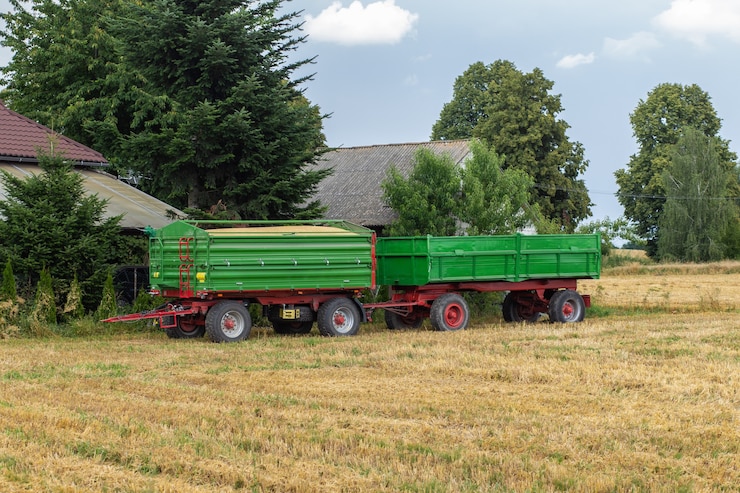
The first step in choosing a farm trailer is understanding the type of work it will perform. Farmers involved in grain production may require large tipping trailers capable of transporting heavy harvests from the field to storage facilities. Livestock farmers often need trailers designed to safely carry animals while providing proper ventilation and secure loading systems. Vegetable producers may benefit from flatbed or box trailers that can transport produce without causing unnecessary damage during transit. Mixed farming operations frequently require versatile trailers that can handle multiple tasks throughout different seasons. Matching the trailer to its intended purpose helps maximise efficiency while reducing unnecessary wear and operating costs.
Trailer capacity is another critical factor that should never be overlooked. Purchasing a trailer that is too small may require additional trips, increasing fuel consumption and reducing productivity during busy farming periods. On the other hand, an oversized trailer may place unnecessary strain on tractors and towing vehicles if it exceeds their recommended towing capacity. Farmers should calculate the average weight of the materials they expect to transport and choose a trailer that can safely handle those loads without exceeding legal or mechanical limits. Paying attention to load capacity also improves road safety and helps prevent costly mechanical failures.
The quality of construction plays a significant role in determining how well a trailer performs over time. South African farms often operate in challenging environments that include gravel roads, muddy fields, steep terrain and changing weather conditions. A trailer built with a strong steel frame, reinforced chassis and durable suspension system is more likely to withstand these demanding conditions. High-quality welding, corrosion-resistant coatings and reliable axle components also contribute to a longer service life. Investing in a well-built trailer may involve a higher initial cost, but it often reduces maintenance expenses and replacement costs over the long term.
Tyres and suspension systems deserve careful consideration because they directly affect both safety and performance. Farm trailers regularly travel over rough surfaces that place considerable pressure on tyres, wheel bearings and suspension components. Choosing heavy-duty agricultural tyres that are appropriate for the expected terrain can improve stability while reducing the risk of punctures and premature wear. Suspension systems should also be matched to the trailer’s intended load capacity to provide smoother transport and minimise damage to both the trailer and its cargo. Regular inspections of tyres and suspension components help identify problems before they become serious.
Braking systems are especially important for larger trailers that carry heavy loads. Trailers equipped with effective braking systems provide greater control when travelling on public roads or steep farm tracks. Reliable brakes reduce stopping distances and improve overall safety for operators and other road users. Farmers should ensure that braking systems are properly adjusted and inspected according to manufacturer recommendations. Regular brake maintenance helps prevent accidents while ensuring compliance with road safety regulations.
Routine maintenance is essential for keeping farm trailers in good working condition throughout the year. Farmers should inspect trailers before and after use to identify loose bolts, cracked welds, damaged lights, worn tyres and leaking hydraulic systems. Wheel bearings should be cleaned, lubricated and replaced when necessary to prevent costly breakdowns during busy production periods. Hydraulic tipping systems should also be checked regularly to ensure smooth operation and safe unloading of materials. Preventative maintenance reduces unexpected downtime while extending the working life of valuable equipment.
Proper cleaning also plays an important role in trailer maintenance. Mud, fertilizer, chemicals and crop residue can accelerate corrosion if they remain on metal surfaces for extended periods. Washing trailers after use and storing them under cover whenever possible helps protect the paintwork and structural components from rust and weather damage. Farmers should pay particular attention to the trailer’s undercarriage, where dirt and moisture often accumulate. Applying protective coatings when required can provide additional protection against corrosion, particularly in areas exposed to frequent rainfall or coastal conditions.
Safe loading practices are equally important for protecting both the trailer and its operator. Loads should always be evenly distributed to maintain balance and prevent excessive pressure on one side of the trailer. Overloading not only increases the risk of accidents but also causes premature wear on tyres, axles, suspension systems and towing equipment. Securing cargo properly helps prevent shifting during transport, especially when travelling over uneven ground or public roads. Following safe loading procedures protects equipment while reducing the likelihood of costly repairs and operational delays.
Choosing and maintaining the right farm trailer is an investment that supports productivity, safety and long-term profitability for South African farmers. Careful consideration of trailer type, load capacity, construction quality, braking systems and maintenance requirements allows farmers to select equipment that meets the demands of their operations. Regular inspections, preventative maintenance and proper cleaning ensure that trailers remain reliable even under demanding farming conditions. Safe loading practices and responsible operation further protect valuable equipment while improving overall efficiency. With the right trailer and a consistent maintenance programme, farmers can reduce operating costs, improve transport efficiency and support the continued growth and success of their agricultural businesses.
Join 'Farmers Mag' WhatsApp Channel
Get the latest Farming news and tips delivered straight to your WhatsApp
CLICK HERE TO JOIN