Horticulture is one of the most diverse and valuable sectors of South African agriculture, contributing significantly to food security, employment and economic growth. The industry includes the cultivation of fruits, vegetables, ornamental plants, flowers, herbs and nursery crops that supply both domestic and international markets. South Africa’s varied climate, fertile soils and advanced farming expertise make it possible to grow a wide range of horticultural products throughout the year. From citrus orchards in Limpopo and the Eastern Cape to vineyards in the Western Cape and vegetable farms in Gauteng and KwaZulu-Natal, horticulture plays an essential role in sustaining rural communities and supporting agricultural exports. Understanding the principles and practices of horticulture is important for both aspiring farmers and established producers who want to improve productivity and remain competitive in an evolving agricultural landscape.
South Africa’s diverse climatic regions provide ideal conditions for many different horticultural crops. The Western Cape is well known for deciduous fruits such as apples, pears and stone fruit, as well as grapes used for fresh consumption and wine production. Limpopo, Mpumalanga and parts of the Eastern Cape are major producers of citrus fruits including oranges, lemons, grapefruits and soft citrus. Vegetable production is widespread across the country, with crops such as tomatoes, onions, cabbage, potatoes, spinach and peppers grown under both open-field and protected cultivation systems. Tropical fruits including avocados, mangoes, bananas and macadamia nuts thrive in warmer regions where rainfall and temperatures support healthy growth. Selecting crops that are suited to local environmental conditions is one of the first steps toward successful horticultural production.
Soil preparation forms the foundation of productive horticulture. Healthy soils provide plants with nutrients, water and adequate root development while supporting beneficial microorganisms that contribute to plant growth. Before planting, farmers should conduct soil tests to determine nutrient levels, soil texture and pH. These results help guide decisions on fertiliser applications, lime requirements and organic matter additions. Deep cultivation, compost incorporation and proper drainage improvement create favourable conditions for root development and healthy crop establishment. Investing time in soil preparation often results in stronger plants, higher yields and improved resistance to environmental stress.
Water management is one of the most critical aspects of horticultural production in South Africa. Many farming regions experience seasonal droughts or limited water availability, making efficient irrigation essential for maintaining crop quality and productivity. Drip irrigation systems are widely used because they deliver water directly to plant roots while reducing evaporation and water wastage. Sprinkler systems remain suitable for certain crops, while protected cultivation often relies on carefully controlled irrigation schedules. Monitoring soil moisture and adjusting irrigation according to crop growth stages helps conserve water and improve plant health. Effective water management has become increasingly important as climate variability continues to affect agricultural production.
Crop selection and variety choice influence both productivity and profitability. Farmers should select varieties that perform well under local climatic conditions while meeting market demand and consumer preferences. Disease resistance, maturity period, storage life and yield potential are important factors when evaluating different cultivars. Planting improved varieties developed through agricultural research can increase production while reducing vulnerability to pests and diseases. Farmers also benefit from staggering planting dates where possible to extend harvesting periods and reduce market oversupply. Careful planning helps maximise returns while ensuring a consistent supply of produce.
Plant nutrition is essential for maintaining healthy growth and achieving high-quality harvests. Crops require balanced amounts of nitrogen, phosphorus, potassium, calcium and numerous micronutrients throughout their development. Fertiliser programmes should be based on soil and leaf analysis rather than routine application alone. Organic fertilisers, compost and well-decomposed manure improve soil structure while supplying nutrients over time. Balanced nutrition supports root development, flowering, fruit formation and resistance to diseases. Proper nutrient management also reduces unnecessary fertiliser costs and minimises environmental impacts.
Pest and disease management remains a continuous responsibility in horticulture. South African growers face challenges from insects, fungi, bacteria and viruses that can reduce crop quality and yield if left unmanaged. Integrated Pest Management combines regular crop monitoring, biological control methods, cultural practices and responsible pesticide use to minimise damage while protecting beneficial insects and the environment. Good field hygiene, crop rotation and resistant plant varieties further reduce disease pressure. Early detection and timely intervention allow farmers to prevent small problems from becoming major outbreaks. Sustainable pest management supports long-term productivity while meeting increasingly strict food safety requirements.
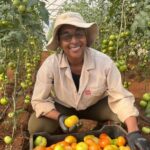
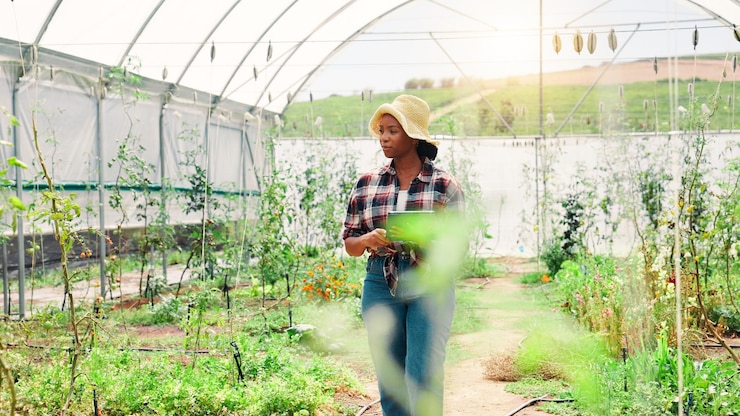
Protected cultivation has become increasingly popular among horticultural producers seeking greater control over growing conditions. Greenhouses, shade net structures and tunnels allow farmers to regulate temperature, humidity and pest exposure while extending production seasons. These systems often improve crop quality, reduce weather-related losses and increase water use efficiency. High-value crops such as tomatoes, cucumbers, peppers and leafy vegetables are commonly grown under protected conditions. Although the initial investment can be substantial, protected cultivation often delivers higher yields and improved consistency. Advances in greenhouse technology continue to make controlled environment farming more attractive for commercial producers.
Pruning, training and canopy management are important horticultural practices for fruit trees and certain vegetable crops. Proper pruning improves air circulation, sunlight penetration and fruit quality while reducing disease risk. Training systems help plants develop strong structures capable of supporting heavy fruit loads. Regular removal of damaged or diseased branches promotes healthy growth and encourages productive new shoots. These practices also improve harvesting efficiency and simplify orchard management throughout the growing season. Skilled pruning contributes significantly to long-term crop performance and profitability.
Harvesting at the correct stage is essential for maintaining product quality and achieving maximum market value. Fruits and vegetables harvested too early may fail to develop their full flavour and nutritional value, while overripe produce often has a shorter shelf life. Farmers use maturity indicators such as size, colour, sugar content and firmness to determine the optimal harvest time. Gentle handling during harvesting reduces bruising and mechanical damage that can lower product quality. Efficient harvesting practices ensure that produce reaches consumers in excellent condition while reducing post-harvest losses.
Post-harvest handling is equally important in the horticultural industry. Proper cleaning, sorting, grading and packaging protect produce during storage and transportation while improving its market appeal. Cold storage facilities help maintain freshness and extend shelf life, particularly for export products that travel long distances. Maintaining the cold chain from harvest to retail is essential for preserving quality and reducing waste. Farmers who invest in strong post-harvest systems often receive better prices because they consistently supply high-quality produce. Value addition through processing, packaging and branding also creates opportunities for increased profitability.
Technology continues to transform horticultural production across South Africa. Precision agriculture tools, satellite imagery, drones and soil moisture sensors allow farmers to make informed decisions about irrigation, fertilisation and crop management. Mobile applications provide access to weather forecasts, pest alerts and market information that support better planning. Mechanisation has improved efficiency in planting, harvesting and packaging operations, particularly on larger commercial farms. Digital record keeping also assists producers in meeting traceability and food safety requirements demanded by local retailers and export markets. The adoption of modern technology enables farmers to improve productivity while using resources more efficiently.
Horticulture also creates significant employment opportunities throughout the agricultural value chain. Jobs are generated in nurseries, crop production, irrigation management, harvesting, packaging, logistics, processing and marketing. Many rural communities depend on horticultural enterprises for stable employment and income generation. The industry’s contribution extends beyond farming by supporting transport companies, input suppliers, research institutions and export businesses. Continued investment in horticulture strengthens local economies while contributing to national food security and export earnings.
An introduction to horticulture practices in South Africa reveals an industry built on careful planning, scientific management and continuous innovation. Successful horticultural production depends on selecting suitable crops, preparing healthy soils, managing water efficiently, maintaining balanced plant nutrition and protecting crops from pests and diseases. Modern technologies, improved farming techniques and strong post-harvest management have enabled South African growers to compete successfully in both local and international markets. As demand for fresh produce continues to grow, horticulture will remain one of the country’s most important agricultural sectors, creating employment, supporting food security and driving economic development. Farmers who adopt sustainable horticultural practices and embrace ongoing learning will be well positioned to build productive, profitable and resilient farming enterprises for the future.
Join 'Farmers Mag' WhatsApp Channel
Get the latest Farming news and tips delivered straight to your WhatsApp
CLICK HERE TO JOIN