Modern farming in South Africa depends on more than fertile soil, quality seed and reliable rainfall. Efficient transport and powerful machinery have become essential for improving productivity, reducing labour demands and increasing profitability across farming operations of every size. Whether managing livestock, growing grain, producing fruit or cultivating vegetables, farmers rely on specialised equipment to complete tasks quickly and efficiently. Selecting the right trucks and heavy machinery can significantly improve day-to-day operations while reducing operating costs over time. Understanding the role of each type of equipment helps farmers make informed investment decisions that support long-term agricultural success.
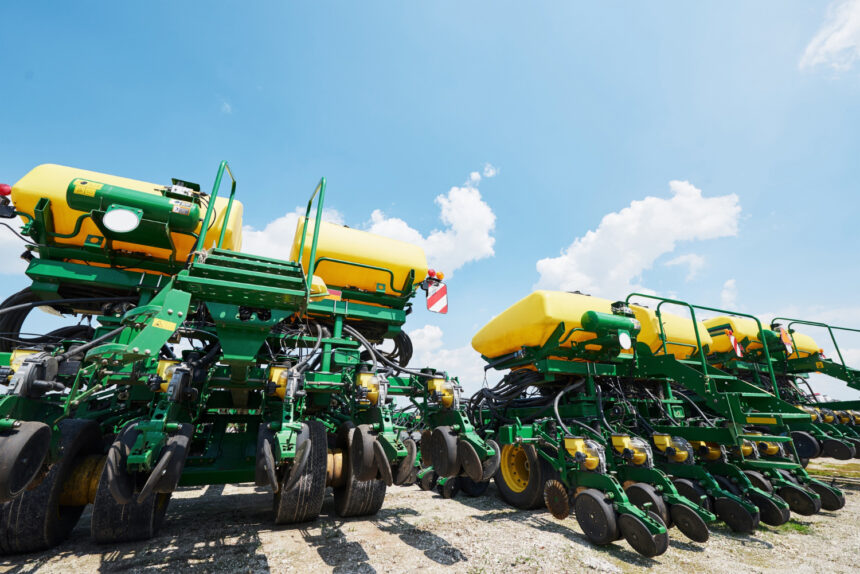
South Africa’s agricultural sector is highly diverse, ranging from small-scale family farms to large commercial enterprises. This diversity means that machinery requirements differ depending on the type of farming, the size of the operation and the terrain being worked. Grain farmers often require large tractors, combine harvesters and planting equipment, while livestock producers depend on reliable trucks, trailers and feed handling machinery. Fruit and vegetable producers may require specialised orchard tractors, sprayers and loading equipment suited to working in narrower spaces. Investing in equipment that matches the specific needs of the farm is more cost-effective than purchasing machinery that is either too large or unable to handle demanding workloads.
Tractors remain the backbone of nearly every farming operation in South Africa. They perform a wide range of tasks including ploughing, planting, fertilising, mowing, baling and transporting equipment around the farm. Modern tractors are available in different horsepower ratings, allowing farmers to choose machines that match their production requirements. Smaller farms may benefit from compact tractors that offer versatility and fuel efficiency, while larger commercial operations often require high-horsepower models capable of pulling heavy implements across extensive fields. Choosing the correct tractor also involves considering factors such as fuel consumption, maintenance costs, hydraulic capacity and compatibility with existing equipment.
Trucks play an equally important role in ensuring the smooth movement of agricultural products, livestock and farming supplies. Light-duty trucks are commonly used for transporting workers, tools, animal feed and smaller loads between fields and storage facilities. Medium-duty trucks provide greater carrying capacity for transporting harvested crops, fertiliser, seed and irrigation equipment. Heavy-duty trucks are essential for moving bulk commodities such as maize, wheat, sugarcane and livestock over long distances to processing facilities and markets. Reliable transport helps reduce delays during harvest while ensuring produce reaches buyers in good condition.
Tippers and flatbed trucks are particularly valuable for many South African farming businesses. Tipper trucks simplify the unloading of grain, sand, fertiliser and other bulk materials, reducing labour requirements and improving efficiency. Flatbed trucks offer flexibility for transporting machinery, hay bales, fencing materials, irrigation pipes and large farming equipment. Livestock farmers often use specially designed stock transport trucks that provide safe and comfortable movement of cattle, sheep and goats between farms, auctions and abattoirs. Selecting the correct truck body configuration can significantly improve productivity while protecting valuable cargo.
Loaders, telehandlers and excavators have become increasingly common on larger farms because they reduce manual labour and improve operational efficiency. Front-end loaders are useful for moving soil, gravel, manure, feed and harvested crops, while telehandlers provide additional lifting height for stacking hay bales, loading trucks and handling pallets. Excavators assist with digging dams, clearing drainage channels, installing irrigation systems and removing tree stumps during land development projects. These machines save time on physically demanding tasks while allowing farmers to complete infrastructure improvements more efficiently. Their versatility makes them valuable assets throughout the farming year.
Harvesting machinery is another important investment for crop producers seeking to maximise productivity. Combine harvesters enable grain farmers to harvest wheat, maize, barley and other cereal crops quickly while minimising grain losses. Sugarcane harvesting equipment improves efficiency during harvesting seasons, while specialised machinery is available for crops such as potatoes, onions and vegetables. Mechanised harvesting reduces dependence on seasonal labour while allowing crops to be harvested at their optimum maturity. Timely harvesting helps preserve crop quality and increases the likelihood of achieving higher market prices.
Advances in agricultural technology have transformed many modern trucks and heavy machines into intelligent farming tools. Many new tractors and harvesters are equipped with GPS guidance systems, precision farming technology and automated steering that improve field accuracy while reducing input waste. Farmers can use digital monitoring systems to track fuel consumption, engine performance, machine utilisation and maintenance schedules. Precision agriculture also enables more accurate planting, fertiliser application and pesticide spraying, helping reduce production costs while improving environmental sustainability. These technologies continue to play an increasingly important role in modern South African farming.
Before purchasing heavy machinery, farmers should carefully consider both initial costs and long-term ownership expenses. Fuel consumption, servicing requirements, spare parts availability and access to qualified technicians all influence the total cost of ownership. Financing options, leasing arrangements and purchasing quality used equipment may provide affordable alternatives for farmers who are expanding their operations. It is also important to ensure that operators receive proper training to maximise safety and extend the lifespan of expensive machinery. Well-maintained equipment operates more efficiently, experiences fewer breakdowns and retains higher resale value over time.
As South African agriculture continues to evolve, trucks and heavy machinery remain essential investments that support efficient, profitable and sustainable farming. From tractors and harvesters to loaders and transport trucks, each machine performs a critical role in helping farmers meet the demands of modern food production. Selecting equipment that matches the specific needs of the farm improves productivity, reduces operating costs and strengthens long-term business performance. Combined with regular maintenance, skilled operators and modern technology, quality machinery enables farmers to overcome challenges while increasing efficiency across every stage of production. Investing wisely in trucks and heavy machinery is therefore one of the most important decisions farmers can make to build resilient and successful agricultural enterprises in South Africa.
Join 'Farmers Mag' WhatsApp Channel
Get the latest Farming news and tips delivered straight to your WhatsApp
CLICK HERE TO JOIN