South Africa’s agricultural sector is undergoing a significant transformation as sustainability and environmental responsibility become increasingly important. The rise of the green economy is creating new opportunities for farmers to improve productivity while protecting natural resources. As climate change, water scarcity and environmental concerns continue to affect farming operations, many producers are exploring innovative methods that support long-term agricultural success. The green economy focuses on economic growth that reduces environmental risks and promotes sustainable development. For farmers, this approach offers practical solutions that can improve profitability, create jobs and strengthen food security. Across South Africa, both commercial and small-scale farmers are beginning to embrace green technologies and environmentally friendly practices that contribute to a more resilient agricultural sector. These developments are opening new pathways for growth while helping farmers adapt to changing environmental conditions.
One of the most promising green economy opportunities for South African farmers lies in renewable energy. Rising electricity costs and energy supply challenges have encouraged many agricultural producers to invest in solar power systems. Solar energy can be used to operate irrigation systems, cold storage facilities, processing equipment and farm buildings. By generating their own electricity, farmers can reduce operating costs and improve energy security. In many cases, excess energy can be fed back into the grid where regulations permit, creating an additional income stream. Renewable energy investments also reduce greenhouse gas emissions and contribute to national sustainability goals. As technology becomes more affordable, renewable energy adoption is expected to continue growing across the agricultural sector.
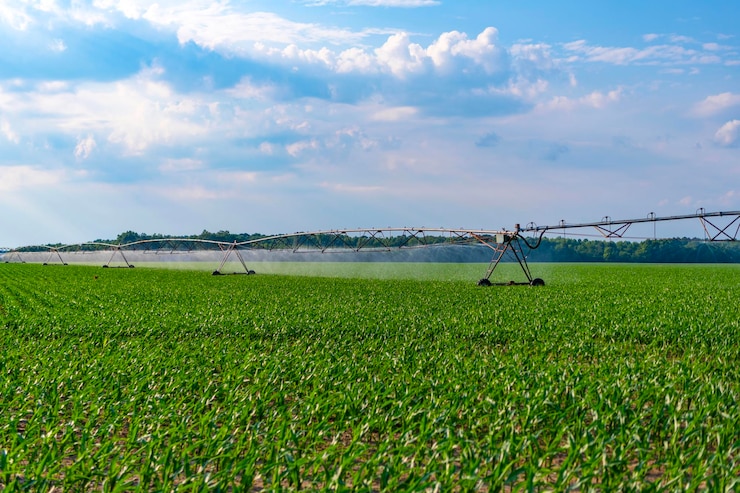
Water conservation and efficient irrigation systems represent another important area of green economic development. South Africa is one of the world’s water-scarce countries, making responsible water management essential for agricultural sustainability. Farmers who invest in drip irrigation, rainwater harvesting and smart water monitoring technologies can significantly reduce water consumption while maintaining crop yields. These technologies help ensure that water is delivered directly to plant roots, minimizing waste and improving efficiency. Sustainable water management not only lowers production costs but also helps farmers remain productive during periods of drought. Government support programs and private sector initiatives are increasingly encouraging the adoption of water-saving technologies. As water resources become more limited, efficient management practices will become even more valuable.
Organic farming and sustainable crop production are creating new market opportunities for South African farmers. Consumer demand for organic and environmentally friendly products continues to grow both locally and internationally. Farmers who adopt organic production methods can access premium markets where customers are willing to pay higher prices for sustainably produced food. Organic farming often involves reduced chemical use, improved soil health and enhanced biodiversity. While certification processes may require investment and commitment, the long-term benefits can include stronger market access and improved environmental outcomes. Sustainable farming methods also help preserve soil fertility, ensuring continued productivity for future generations. These practices contribute to healthier ecosystems while supporting economic growth within rural communities.
Agroforestry is emerging as an attractive green economy opportunity that combines agricultural production with tree cultivation. This approach allows farmers to grow crops or raise livestock alongside trees, creating multiple income sources from a single piece of land. Trees can provide timber, fruit, nuts, medicinal products and fuelwood while also improving soil quality and reducing erosion. Agroforestry systems help capture carbon from the atmosphere, contributing to climate change mitigation efforts. They also create habitats for beneficial wildlife and improve water retention within farming landscapes. Farmers who implement agroforestry practices often experience greater resilience to extreme weather conditions. As awareness of these benefits grows, more agricultural producers are exploring integrated land-use systems.
Waste management and agricultural recycling are becoming increasingly important components of the green economy. Farms generate a variety of organic waste materials that can be converted into valuable resources. Composting crop residues and animal waste can produce nutrient-rich organic fertilizers that improve soil health and reduce reliance on synthetic inputs. Biogas systems can convert agricultural waste into renewable energy for farm operations. These solutions help reduce environmental pollution while creating additional economic value from materials that would otherwise be discarded. Effective waste management practices also contribute to cleaner farming environments and improved resource efficiency. By viewing waste as a resource, farmers can unlock new opportunities for sustainability and profitability.
Climate-smart agriculture is another area offering substantial potential for South African farmers. This approach focuses on increasing productivity, improving resilience and reducing environmental impacts. Climate-smart practices include conservation agriculture, cover cropping, crop rotation and improved livestock management. These methods help farmers adapt to changing weather patterns while maintaining agricultural productivity. Improved soil management can increase carbon storage and enhance water retention, making farms more resilient during droughts and extreme weather events. Financial institutions and development organizations are increasingly supporting climate-smart agricultural projects through funding and technical assistance. As climate challenges continue to intensify, these practices will play a critical role in the future of farming.
The development of green jobs and rural enterprises is also creating economic opportunities throughout agricultural communities. New businesses are emerging around renewable energy installation, environmental consulting, organic certification and sustainable farming technologies. These enterprises support farmers while generating employment opportunities in rural areas. Young people entering the agricultural sector can benefit from training programs focused on green skills and sustainable agriculture. The growth of green industries helps diversify rural economies and reduce dependence on traditional income sources. Strong partnerships between government, educational institutions and private companies are helping build the expertise needed to support this transition. These developments contribute to broader economic growth while promoting environmental sustainability.
South Africa’s green economy presents farmers with a unique opportunity to improve both environmental performance and financial sustainability. Renewable energy, water conservation, organic farming, agroforestry, waste recycling and climate-smart agriculture are all contributing to a more resilient agricultural sector. Farmers who embrace these innovations can reduce costs, access new markets and strengthen their ability to withstand environmental challenges. The transition toward sustainable agriculture is creating jobs, supporting rural development and helping protect valuable natural resources. Continued investment in green technologies and supportive policies will be essential for expanding these opportunities. As awareness and adoption increase, the agricultural sector will play a leading role in South Africa’s green economy. The future of farming in the country will increasingly depend on sustainable practices that balance economic growth with environmental stewardship.
Join 'Farmers Mag' WhatsApp Channel
Get the latest Farming news and tips delivered straight to your WhatsApp
CLICK HERE TO JOIN