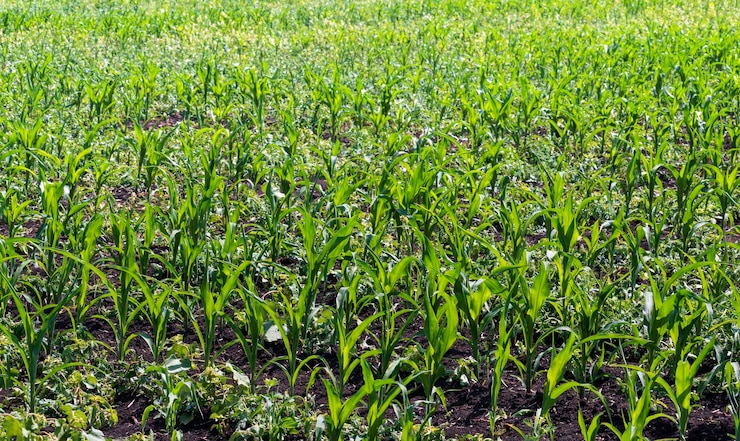
Invasive alien species are a direct threat to crop farming systems in South Africa. These are non-native plants, insects, and pathogens that spread into agricultural land and disrupt normal production. In South Africa, crop farmers face rising pressure from invasive weeds and pests that reduce yields and increase production costs. These species compete with crops for water, nutrients, and sunlight, which lowers productivity across maize, wheat, fruit, and vegetable systems. If not managed early, they can spread quickly across entire farming regions and increase long term control costs.
For crop farmers, correct identification is the first step in protecting land and yields. Many invasive weeds look similar to harmless plants during early growth stages, which makes early detection difficult. Common crop land invaders include blackjacks, parthenium weed, and certain aggressive grasses that quickly dominate cultivated fields. Invasive insects and plant diseases also add pressure by damaging leaves, roots, and fruit quality. Farmers need regular field scouting, accurate seed inspection, and extension support to detect problems early before they spread across hectares of planted land.
Invasive species directly affect crop profitability through higher input costs and reduced harvest quality. Weeds compete strongly with crops like maize and soya, forcing farmers to increase herbicide use and labour for mechanical control. This raises production costs at a time when margins are already under pressure from fuel and fertiliser prices. Some invasive plants also reduce soil quality over time by altering nutrient balance and moisture retention. In fruit and vegetable production, pest invasions can lead to export rejections, which affects market access and income stability for commercial growers.
Control efforts depend on coordinated action between farmers, government programmes, and agricultural scientists. The Department of Forestry, Fisheries and the Environment plays a major role in national invasive species regulation and land restoration programmes. The Working for Water initiative also supports clearing of invasive plants that reduce water availability in farming regions. On farms, control methods include chemical herbicides, crop rotation, mechanical removal, and biological control where safe natural predators are introduced. Each method works best when combined with consistent monitoring and proper timing during early growth stages of invasive plants.
Prevention remains the most cost effective strategy for crop protection. Farmers reduce risk by using certified seed, cleaning farm equipment between fields, and controlling weeds along field borders and irrigation channels. Buffer zones around crops help slow the movement of invasive species from nearby land. Training farm workers to recognise early signs of invasive plants and pests improves response times and reduces spread. Strong farm records and regular scouting schedules also help identify recurring invasion patterns across seasons.
Long term crop protection in South Africa depends on sustained vigilance and cooperation across the agricultural sector. Invasive alien species will continue to evolve and spread, especially in changing climate conditions and high intensity farming areas. Farmers who invest in early identification and integrated control methods protect both yield and profitability. National programmes provide important support, but on farm management remains the first line of defence. Consistent action across planting, growing, and harvesting cycles ensures stronger resilience for crop production systems in the country.
Join 'Farmers Mag' WhatsApp Channel
Get the latest Farming news and tips delivered straight to your WhatsApp
CLICK HERE TO JOIN