Emerging farmers in South Africa are under pressure to find crops that can survive changing weather patterns, rising input costs, and limited access to large commercial markets. Traditional staple crops like maize still play a major role, but they do not always deliver stable income for small producers. This has pushed many farmers to explore alternative crops that offer better returns and lower production risks. These crops often require less water, fewer chemicals, and can grow well on smaller plots of land. The shift toward diversification is becoming an important strategy for long term farm survival and growth in both rural and peri urban areas.
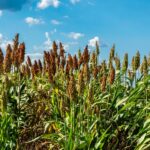
One of the strongest options for alternative farming is indigenous and drought tolerant crops. Crops such as sorghum, millet, cowpeas, and amadumbe are gaining attention because they can handle dry conditions better than many commercial staples. These crops also have cultural value and growing local demand in food markets and households. Farmers who plant them often benefit from lower production costs because they need less irrigation and fewer chemical inputs. Vegetables like spinach, kale, and Swiss chard also perform well in small scale systems and can be harvested multiple times, which increases income potential per hectare. Herbs such as rosemary, basil, and mint also offer strong returns in local and niche markets when managed correctly.
High value niche crops are another important opportunity for emerging farmers looking to increase profitability. Garlic, chillies, ginger, and turmeric are in demand across South Africa and can generate strong returns when grown in the right conditions. These crops are especially useful for farmers who have limited land but want to maximize income per square meter. Fruit crops like avocados, figs, and pomegranates are also becoming more popular due to changing consumer preferences and export potential. While these crops may take longer to mature, they offer long term financial stability once established. Farmers who invest in proper soil management and irrigation systems can significantly improve yields and market quality.
Alternative crops also support resilience in the face of climate change and market uncertainty. Diversification reduces the risk of total crop failure when one crop is affected by drought, pests, or price drops. It also allows farmers to spread income across different harvest cycles throughout the year. Support programs from government and agricultural organizations are helping farmers gain access to seeds, training, and market information. As more emerging farmers adopt alternative cropping systems, local food security improves and rural economies become more stable. The shift toward diverse, climate smart agriculture is shaping a more sustainable future for farming communities across South Africa.
Join 'Farmers Mag' WhatsApp Channel
Get the latest Farming news and tips delivered straight to your WhatsApp
CLICK HERE TO JOIN