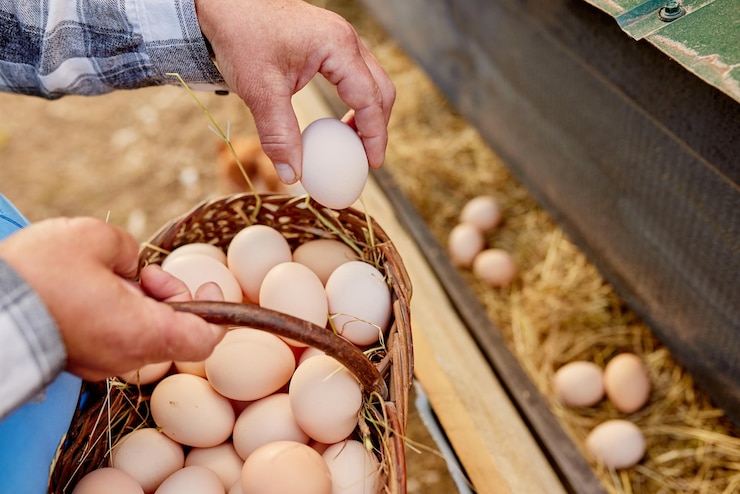
Layer chicken farming in South Africa offers a strong opportunity for farmers who want a steady income from egg production. Eggs remain one of the most affordable and widely consumed protein sources in the country, which creates consistent demand throughout the year. Starting a layer farm requires planning, basic infrastructure, and good management practices to ensure productivity and profitability. Many small-scale farmers choose layer farming because it generates daily income once hens reach maturity. Success depends on proper setup, feed management, and disease control. With the right approach, layer farming can become a reliable and scalable agricultural business.
The first step in starting a layer chicken farm is selecting a suitable location. You need a site with good ventilation, access to clean water, and enough space for housing and future expansion. The area should be safe from predators and away from high pollution or flooding risks. Proper planning of the farm layout helps reduce stress on birds and improves egg production. You also need to ensure easy access to markets for selling eggs. Location plays a key role in reducing operational costs and improving efficiency.
Choosing the right chicken breed is another important factor in successful layer farming. Common commercial layer breeds in South Africa include Lohmann Brown, Hy-Line Brown, and Isa Brown. These breeds are known for high egg production rates and strong adaptability to different climates. A good layer hen can produce around 280 to 320 eggs per year under proper management. Farmers should source chicks from reputable hatcheries to ensure quality and disease-free stock. Healthy chicks form the foundation of a productive farming operation.
Housing design is critical for maintaining bird health and productivity. Layer chickens require a well-ventilated structure that protects them from extreme weather conditions. The housing system can be cage-based or free-range, depending on budget and scale. Proper spacing is important to avoid overcrowding, which can lead to stress and disease outbreaks. Nesting boxes, feeding troughs, and clean bedding must be included in the setup. Good housing reduces mortality rates and improves egg quality.
Feeding plays a central role in layer chicken farming and directly affects egg production. Layers require a balanced diet that includes protein, calcium, vitamins, and energy sources. Commercial layer feed is often used because it is formulated to meet nutritional requirements at different growth stages. Farmers must ensure consistent feeding schedules to maintain productivity. Clean water must always be available, as dehydration reduces egg production quickly. Feed costs usually represent the largest expense in layer farming, so efficient feeding practices are essential.
Disease prevention and biosecurity are essential for maintaining a healthy flock. Common diseases such as Newcastle disease and infectious bronchitis can cause severe losses if not controlled. Vaccination programmes should be followed strictly according to veterinary guidelines. Farmers must also maintain clean housing conditions and limit visitor access to poultry areas. Regular health checks help identify problems early before they spread. Strong biosecurity measures protect both productivity and investment.
Lighting management is another important aspect of layer farming. Chickens require a specific amount of light per day to maintain consistent egg production. Artificial lighting is often used to extend daylight hours and stimulate laying cycles. Proper lighting schedules help regulate feeding and laying patterns. Sudden changes in light exposure can disrupt production and stress the birds. Farmers need to maintain consistent lighting conditions for best results.
Marketing and selling eggs is a key part of running a successful layer farm. Farmers can sell directly to local markets, supermarkets, restaurants, or informal traders. Packaging and grading eggs properly increases market value and customer trust. Building relationships with regular buyers ensures steady income. Some farmers also supply wholesalers who distribute eggs across larger regions. Good marketing strategies help farmers expand their customer base and increase profits.
Financial planning is necessary before starting a layer chicken farm. Initial costs include chicks, housing, feed, vaccines, and equipment. Farmers should also plan for ongoing expenses such as feed and labour. A clear budget helps avoid financial strain during the early stages of production. Many farmers start small and gradually expand as income increases. Proper financial management ensures long-term sustainability and growth.
Starting layer chicken farming in South Africa requires commitment, knowledge, and consistent management. From selecting the right location and breed to managing feed, housing, and disease control, every step plays a role in success. Egg production offers daily income potential, which makes it an attractive option for small and commercial farmers. With proper planning and good farming practices, layer farming can become a stable and profitable agricultural enterprise. Farmers who focus on quality management and market access can build sustainable businesses that support both food security and local economic development.
Join 'Farmers Mag' WhatsApp Channel
Get the latest Farming news and tips delivered straight to your WhatsApp
CLICK HERE TO JOIN