Beekeeping is gaining momentum in South Africa as more people look for practical ways to generate income, support agriculture and protect the environment. Bees play a direct role in pollination, which supports crop production and biodiversity across the country. For beginners, beekeeping offers a manageable entry point into agriculture with relatively low startup space compared to livestock farming. It also provides multiple income streams through honey, beeswax and pollination services. With the right knowledge and planning, you can build a sustainable operation that grows over time while contributing to local food systems.
Starting beekeeping in South Africa requires an understanding of local conditions, especially climate and vegetation. The country supports a variety of bee forage plants that produce nectar and pollen throughout the year, depending on the region. You need to identify areas with strong flowering cycles to ensure your bees have consistent food sources. Water access is also essential, as bees require a nearby clean water supply for hive maintenance. Site selection should also consider safety, avoiding areas with heavy human or animal traffic to reduce disturbances. A well chosen location improves hive productivity and reduces stress on the colony.
Before setting up your first hive, you must understand the legal and practical requirements of beekeeping in South Africa. Beekeepers are encouraged to register with Department of Agriculture, Land Reform and Rural Development to help manage bee diseases and track hive locations. Compliance with local bylaws is important, especially in urban or peri urban areas where hive placement can affect neighbours. You should also learn basic hive management practices before purchasing bees to avoid early losses. Training through local beekeeping associations can provide hands on experience and reduce beginner mistakes. Proper preparation sets a strong foundation for long term success.
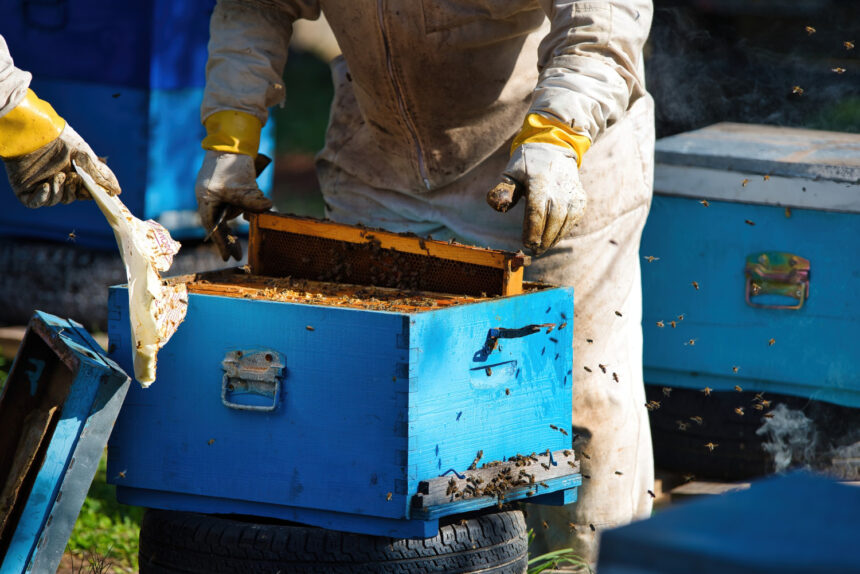
Equipment is a key investment when starting your beekeeping journey. Standard hives such as Langstroth hives are widely used due to their efficiency and ease of management. You will need protective clothing, including a bee suit, gloves and a veil, to reduce the risk of stings during hive inspections. Basic tools such as a smoker and hive tool are essential for handling frames and calming bees. Quality equipment improves safety and makes hive management more efficient. While startup costs vary, investing in durable gear reduces long term expenses and maintenance challenges.
Understanding bee behaviour and colony management is critical for maintaining healthy hives. A typical hive consists of a queen, worker bees and drones, each playing a specific role in the colony. Regular inspections help you monitor brood development, honey production and signs of disease or stress. Swarming is a natural process, but it must be managed to prevent loss of bees and reduced productivity. You need to learn how to identify queen health and ensure the colony remains balanced. Consistent monitoring allows you to respond quickly to problems and maintain strong hive performance.
Nutrition and seasonal management play a major role in beekeeping success. Bees rely on nectar and pollen, but during dry seasons or periods of low flowering, supplementary feeding may be necessary. Sugar solutions or protein supplements can help colonies survive challenging periods. You should plan your management calendar around seasonal changes, including honey flow periods and winter preparation. Providing enough food during critical times ensures colony survival and productivity. Strong colonies are more resilient and produce better yields when conditions improve.
Harvesting honey is one of the most rewarding aspects of beekeeping, but it must be done correctly to maintain colony health. You should only harvest surplus honey, leaving enough for the bees to sustain themselves. Clean extraction methods help maintain product quality and meet market standards. Packaging and storage must follow hygiene practices to prevent contamination. Local markets, direct sales and small retailers provide opportunities to sell honey and related products. Building a reputation for quality can help you grow your customer base over time.
Beekeeping also comes with challenges that beginners must be prepared to manage. Pests such as the Varroa mite and diseases can weaken or destroy colonies if not controlled. Environmental factors like drought, pesticides and habitat loss also affect bee populations. You need to stay informed about best practices and adapt your management approach as conditions change. Networking with other beekeepers can provide valuable insights and support. Being proactive helps reduce risks and improves long term success.
Beekeeping for beginners in South Africa offers a practical pathway into agriculture while supporting environmental sustainability. With proper training, planning and consistent management, you can build a productive and profitable operation. The combination of income potential and ecological benefits makes beekeeping a valuable activity in both rural and urban settings. As demand for natural honey and pollination services continues to grow, opportunities in the sector are expanding. By starting with a strong foundation and focusing on best practices, you can develop a resilient beekeeping venture that delivers long term results.
Join 'Farmers Mag' WhatsApp Channel
Get the latest Farming news and tips delivered straight to your WhatsApp
CLICK HERE TO JOIN