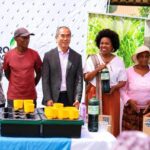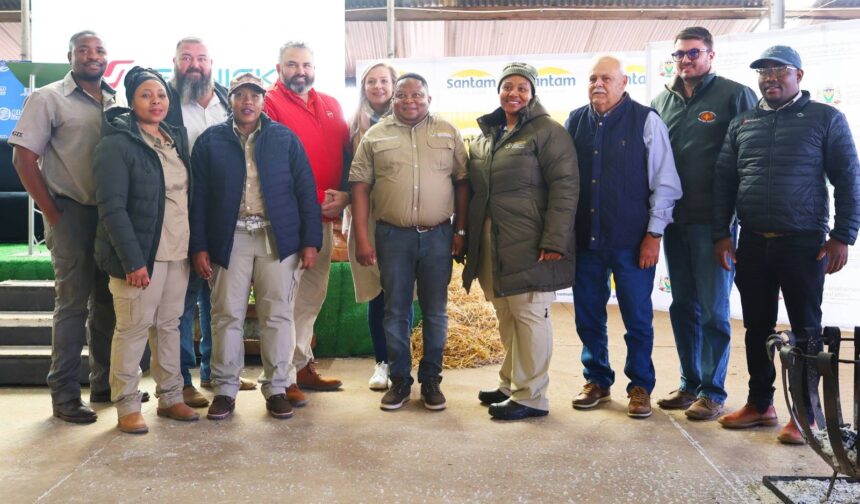
Young farmers in the Free State received a major boost when BloemShow partnered with the Department of Agriculture, Rural Development and Environmental Affairs (DARDEA) to host a focused panel discussion aimed at strengthening emerging agricultural talent. The session brought together stakeholders, experts, and new farmers to share practical knowledge and address real challenges facing the sector. It created a structured platform where information, experience, and opportunity came together in one space. The event focused on practical farming insights, expert guidance from agricultural specialists, market access strategies, business development support, and networking opportunities. These elements were designed to help young farmers build sustainable and profitable farming operations. The initiative reflects a growing commitment to developing the next generation of commercial farmers in South Africa.
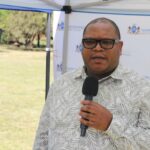
DARDEA Head of Department Mr Tshepo Mabilo opened the session with a strong message of collaboration and skills development. He welcomed all stakeholders and emerging farmers and emphasized the importance of structured learning opportunities like this one. He highlighted that young farmers need access to information that can directly improve their productivity and business success. He also stressed that partnerships between government and the private sector are essential for long-term growth in agriculture. According to him, working together creates stronger support systems that benefit the entire agricultural value chain. His message reinforced the idea that agriculture is both an economic driver and a skills-based industry that requires continuous development.
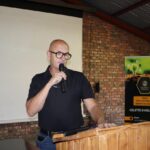
The panel discussion featured a range of experts who addressed key areas affecting modern farming operations. Jacques Joubert from Absa provided insights into agricultural finance and access to funding, focusing on how young farmers can structure their businesses to attract investment. Tebogo Molele from Sernick shared knowledge on livestock farming in the Foot-and-Mouth Disease era, focusing on risk management and biosecurity practices. Eddie Prinsloo from Heuningkrans Merino’s spoke about effective farming methods for 2026, highlighting efficiency, sustainability, and market readiness. Kabelo Phaka from SA Studbook presented solutions for livestock traceability and explained that all 50 farmers in attendance would receive free registration on the ID Trax system and an RMIS number. Dr Jurgens Barnard, the Free State State Veterinarian, addressed Foot-and-Mouth Disease control and prevention, stressing the importance of compliance with animal health regulations.
The session placed strong emphasis on practical farming knowledge that can be applied immediately by emerging farmers. Topics were not theoretical but focused on real challenges such as funding access, livestock disease control, and market entry barriers. Farmers were encouraged to think of their operations as businesses that require planning, record keeping, and compliance with industry standards. The inclusion of financial and veterinary experts ensured that participants received a balanced understanding of both economic and biological aspects of farming. This practical approach helped bridge the gap between training and real-world application. It also gave young farmers a clearer understanding of what is required to succeed in a competitive agricultural environment.
Market access and business development were also key focus areas during the discussion. Many emerging farmers struggle to move beyond production into formal supply chains, which limits their growth potential. The session provided guidance on how to position farming operations for commercial markets and long-term contracts. Experts explained the importance of consistency, quality control, and traceability in gaining access to retail and export opportunities. Networking with established industry players also opened doors for future collaboration. This type of engagement is essential for integrating emerging farmers into mainstream agricultural systems.
Livestock traceability was highlighted as a critical requirement in modern farming systems. Kabelo Phaka’s presentation on SA Studbook solutions showed how digital tracking systems can improve accountability and market access. The introduction of free registration on the ID Trax system and RMIS numbers for attending farmers was a practical step toward improving compliance. Traceability systems are increasingly important for both local and international trade. They help ensure disease control, product safety, and transparency in the livestock industry. For young farmers, adopting these systems early improves long-term competitiveness.
Animal health and disease management were also central to the discussions, particularly in relation to Foot-and-Mouth Disease. Dr Jurgens Barnard provided detailed guidance on prevention measures and regulatory requirements. He emphasized the importance of early detection, reporting, and strict biosecurity practices. Disease outbreaks can have severe financial consequences for farmers, especially those entering the industry for the first time. Understanding these risks helps farmers protect their livestock and maintain stable production. The session reinforced the need for continuous vigilance and adherence to veterinary protocols.
Participants responded positively to the panel discussion and expressed appreciation for the knowledge shared. Many young farmers highlighted the value of direct access to experts and industry leaders. The opportunity to ask questions and receive practical advice was seen as highly beneficial. The networking aspect of the event also allowed farmers to connect with peers facing similar challenges. These interactions created a sense of community and shared purpose among emerging producers. The feedback reflected a strong demand for more sessions of this nature in the future.
The collaboration between BloemShow and DARDEA demonstrates the importance of structured support systems for emerging farmers. By combining government resources with industry expertise, the initiative created a platform that addresses real agricultural challenges. It also supports broader goals of rural development, job creation, and economic participation. The focus on youth development ensures that the next generation of farmers is better prepared for commercial agriculture. Events like this strengthen the agricultural sector by building skills, improving access to information, and encouraging innovation. The Free State panel discussion stands as a clear example of how targeted engagement can drive meaningful progress in farming communities.
Join 'Farmers Mag' WhatsApp Channel
Get the latest Farming news and tips delivered straight to your WhatsApp
CLICK HERE TO JOIN