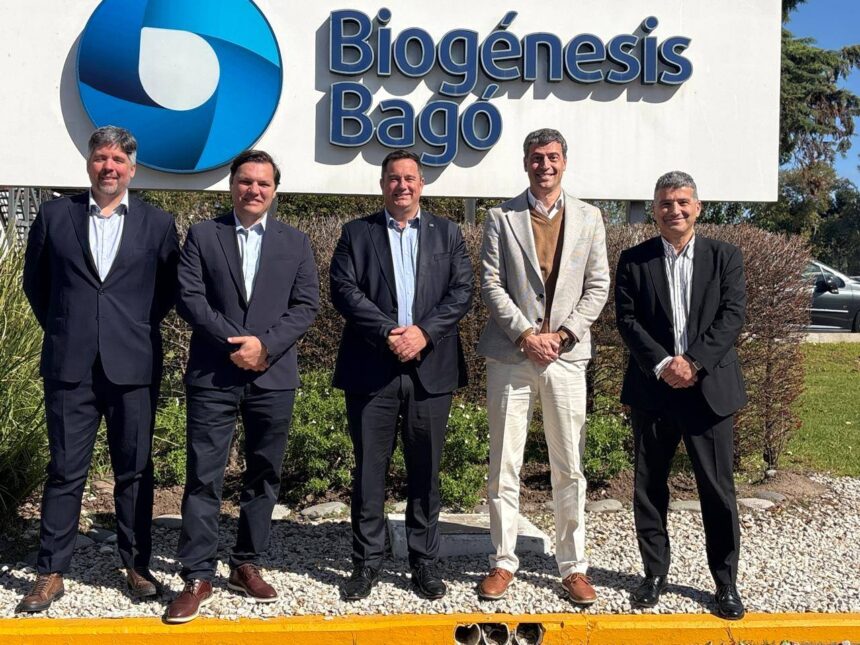
South Africa continues to prioritise the protection of its livestock sector as part of a broader strategy to secure food systems and support agricultural growth. A key development in this effort is the official visit to Argentina led by Minister John Steenhuisen, who is heading a South African delegation focused on strengthening international cooperation. This visit reflects a clear commitment to addressing ongoing challenges in animal health, particularly the threat posed by Foot and Mouth Disease. The livestock industry plays a central role in South Africa’s agricultural economy, supporting both commercial and emerging farmers. Any disruption caused by disease outbreaks can lead to significant economic losses and trade restrictions. By engaging with global partners, South Africa aims to build stronger systems that protect farmers and ensure long-term sustainability.
A major outcome of the visit is the signing of a vaccine distribution agreement between Onderstepoort Biological Products and Biogénesis Bagó. This agreement marks a significant step forward in improving South Africa’s access to critical vaccines used to control Foot and Mouth Disease. Reliable vaccine supply is essential for maintaining animal health and preventing the spread of infection across farming regions. The partnership creates a more stable and predictable supply chain, which reduces the risk of shortages during critical periods. It also allows for faster response times when outbreaks occur. Strengthening vaccine access is a practical solution that directly supports disease control efforts on the ground.
Foot and Mouth Disease remains one of the most serious threats to livestock production in South Africa. The disease spreads quickly among cattle, sheep, and other cloven-hoofed animals, causing severe production losses and limiting market access. Controlling the disease requires a combination of vaccination, monitoring, and strict biosecurity measures. The agreement signed during the Argentina visit supports South Africa’s strategy to achieve FMD-free status with vaccination. This status is important for maintaining export markets and building confidence among trading partners. It also supports local farmers by reducing the financial risks associated with disease outbreaks.
The collaboration between Onderstepoort Biological Products and Biogénesis Bagó highlights the importance of international partnerships in modern agriculture. No single country can address complex animal health challenges alone, especially when diseases can cross borders. By working with established global vaccine producers, South Africa strengthens its technical capacity and access to innovation. This partnership also opens opportunities for knowledge exchange and improved production methods. It reflects a shift toward more integrated and cooperative approaches to agricultural development. These collaborations play a key role in building resilient farming systems.
Minister John Steenhuisen’s leadership in this engagement demonstrates a proactive approach to safeguarding the agricultural sector. By prioritising international cooperation, the government is taking practical steps to protect farmers and ensure stable food production. The visit to Argentina is not only about vaccine supply but also about building long-term relationships that support agricultural growth. These partnerships help align South Africa with global best practices in animal health management. They also create opportunities for future collaboration in research, trade, and technology. This approach strengthens the country’s position in the global agricultural landscape.
Food security remains closely linked to the health of the livestock sector. When diseases like Foot and Mouth Disease are effectively controlled, farmers can maintain consistent production and supply chains remain stable. This benefits consumers through reliable access to meat and other animal products. It also supports job creation and economic activity in rural areas. Ensuring a steady supply of vaccines is a critical part of this system. Without it, the risk of outbreaks increases, which can disrupt the entire agricultural value chain. The agreement reached during the Argentina visit directly supports these broader goals.
The impact of this development extends beyond large commercial farms to include emerging and small-scale farmers. These farmers are often more vulnerable to disease outbreaks due to limited resources and infrastructure. Improved access to vaccines helps protect their livestock and income. It also supports inclusive growth within the agricultural sector. By strengthening disease control systems, the government creates a more stable environment for all farmers to operate. This contributes to long-term transformation and sustainability in agriculture.
South Africa’s efforts to secure a reliable vaccine supply and strengthen international partnerships reflect a clear strategy to protect its livestock industry. The agreement between Onderstepoort Biological Products and Biogénesis Bagó represents a practical and forward-looking step in this direction. Minister John Steenhuisen’s leadership in driving these engagements highlights the importance of proactive planning in agriculture. By addressing animal health challenges through cooperation and innovation, the country is better positioned to achieve FMD-free status and maintain strong agricultural output. These efforts will continue to play a vital role in supporting farmers, protecting food security, and building a resilient agricultural economy.
Join 'Farmers Mag' WhatsApp Channel
Get the latest Farming news and tips delivered straight to your WhatsApp
CLICK HERE TO JOIN