Effective daily farm management is critical for ensuring productivity, profitability, and sustainability in South African agriculture. Managing a farm involves balancing multiple tasks, including crop care, livestock monitoring, equipment maintenance, and financial planning, all while responding to changing weather and market conditions. Consistency in daily routines helps prevent problems before they escalate, supports healthy growth of crops and animals, and maximizes returns on investment. For smallholder and commercial farmers alike, implementing structured management practices ensures that resources are used efficiently, risks are minimized, and long-term goals are achieved. By following a systematic approach to farm operations, South African farmers can maintain high levels of productivity while supporting environmental sustainability and economic growth.
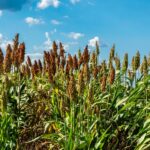
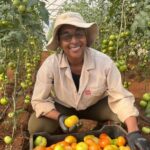
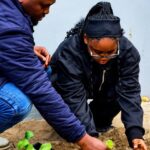
A well-organized daily farm schedule begins with monitoring and maintaining crop health. Farmers should inspect fields for pests, diseases, and nutrient deficiencies each day, addressing issues promptly to prevent yield loss. Irrigation systems need regular checks to ensure water is distributed efficiently and that plants receive adequate moisture without waste. Soil conditions should be monitored, including moisture levels, compaction, and fertility, to guide fertilization and planting decisions. Daily attention to crops also allows farmers to observe growth patterns, adjust care routines, and implement timely interventions such as pruning, weeding, or pest control. These steps ensure that crops remain healthy, productive, and resilient to environmental stress.
Livestock management is another essential component of daily farm operations. Farmers must check the health, feed, and water supply of animals every day, monitoring for signs of illness, injury, or behavioral changes. Maintaining clean and safe housing or grazing areas reduces the risk of disease and improves overall animal welfare. Feeding schedules should be consistent and adjusted according to growth, production stage, and seasonal conditions. Record-keeping is critical for tracking vaccinations, breeding cycles, and production performance, helping farmers make informed decisions and identify potential issues early. Regular interaction with livestock also helps farmers detect subtle changes that can prevent costly problems and optimize productivity.
Equipment and infrastructure require daily attention to ensure smooth operations and prevent breakdowns. Tractors, irrigation pumps, harvesters, and other machinery should be inspected, cleaned, and serviced as needed. Fences, storage facilities, and irrigation channels need monitoring to avoid damage or loss of resources. Keeping detailed maintenance logs allows farmers to plan repairs and replacements efficiently, reducing downtime during critical periods. A proactive approach to equipment management extends the life of assets, reduces costs, and supports uninterrupted farm operations. Combined with careful crop and livestock care, well-maintained infrastructure ensures that the farm operates efficiently and sustainably.
Financial management and planning should also be integrated into daily farm routines. Monitoring cash flow, recording expenses, and tracking market trends help farmers make informed decisions about purchases, sales, and investment in inputs. Evaluating production costs against expected returns allows for adjustments in planting, feeding, and resource allocation to maintain profitability. Strategic planning ensures that the farm remains resilient to fluctuating input prices, market demand, and climatic variations. Farmers who combine technical farm management with sound financial oversight are better positioned to achieve long-term growth and sustainability.
Effective daily farm management in South Africa requires a holistic approach that integrates crop care, livestock monitoring, equipment maintenance, and financial planning. Consistent attention to these areas ensures that farms remain productive, resilient, and profitable while supporting sustainable practices. By implementing structured daily routines, farmers can detect problems early, optimize resource use, and maximize yields across crops and livestock. Combining technical knowledge with strategic planning allows South African farmers to navigate challenges, take advantage of opportunities, and build long-term farm sustainability. A disciplined approach to daily operations forms the foundation for success in modern agriculture, ensuring that farms thrive today and in the future.
Join 'Farmers Mag' WhatsApp Channel
Get the latest Farming news and tips delivered straight to your WhatsApp
CLICK HERE TO JOIN