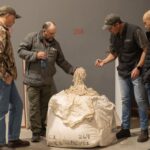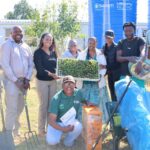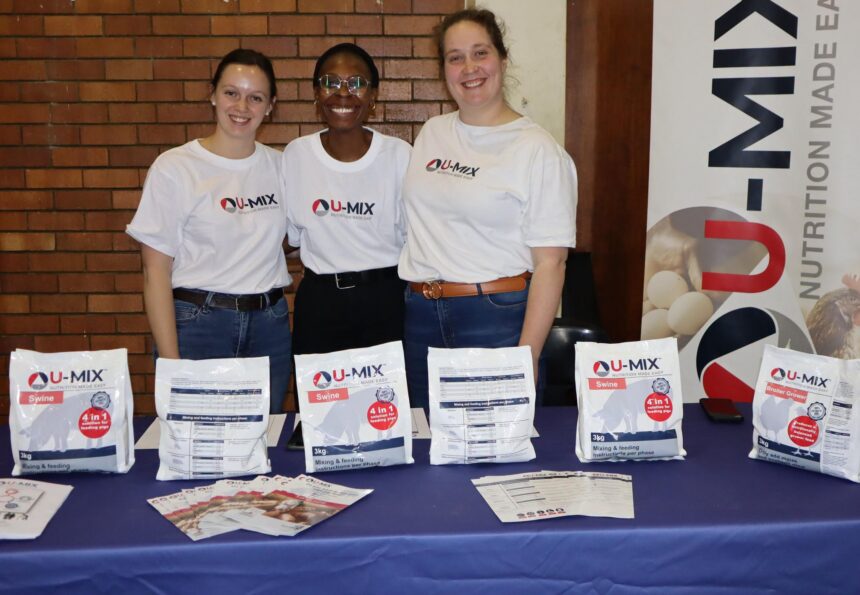
Piggery farmers in Mkhondo received practical guidance on improving productivity, controlling costs and building more sustainable farming businesses during a SAPPO Academy Farmers Day held at the Mkhondo Town Hall. The event was hosted through a collaboration between the South African Pork Producers’ Organisation (SAPPO) and the Department of Agriculture, Rural Development, Land Reform and Environmental Affairs (DARDLEA). Farmers were exposed to practical solutions covering precision nutrition, financial management, herd development and animal health. The programme focused on helping producers make informed decisions that can improve efficiency while protecting the long-term sustainability of their piggery operations. For farmers facing rising input costs and ongoing animal health risks, the knowledge shared during the event provided useful guidance that can be applied directly on the farm.
Precision nutrition was one of the major areas of focus, with farmers learning how feed programmes should be tailored to the environment in which pigs are raised, their production stage and their genetics. A feeding programme that works well for one herd may not produce the same results in another because factors such as genetics, housing conditions, temperature and growth stage can influence nutritional requirements. Farmers were encouraged to move away from a one-size-fits-all approach and consider the specific needs of their animals when managing feed. Proper nutrition can influence growth, reproduction, feed efficiency and overall herd performance. By making feeding decisions based on the needs of the pigs, producers can work towards reducing unnecessary expenditure while improving production outcomes.
The training also highlighted the importance of balancing five essential nutritional components, namely water, energy, protein, minerals and vitamins. Water is particularly important because pigs need reliable access to clean water for normal physiological functions and efficient feed utilisation. Energy and protein must be supplied at appropriate levels to support growth, reproduction and other production requirements without creating unnecessary feed costs. Minerals and vitamins also play important roles in maintaining health, development and productivity. Understanding the relationship between these nutrients can help farmers avoid overfeeding and ensure that money spent on feed contributes effectively to herd performance.
Feed is one of the largest operating expenses in pig production, which makes accurate nutritional management a major financial consideration for farmers. Overfeeding can increase production costs without necessarily delivering a proportional improvement in animal performance. Underfeeding can also create problems by limiting growth, reproductive performance or general herd health. Farmers therefore need to find the right balance between meeting nutritional requirements and controlling expenditure. The precision nutrition discussions at the SAPPO Academy Farmers Day gave producers practical information that can help them assess their feeding programmes and make decisions with profitability in mind.
Financial management was another important component of the programme because technical improvements on a farm need to be supported by sound business practices. Farmers need to understand where their money is being spent and how individual costs affect the profitability of their piggery. Keeping accurate records of feed purchases, veterinary expenses, labour, breeding, utilities and other operating costs can help producers identify areas where savings may be possible. Financial records can also help farmers compare production performance against expenditure and make more informed decisions about future investments. Treating the piggery as a business can give producers a clearer understanding of which activities are contributing to sustainable growth.
The event was strengthened by the involvement of several industry partners, including Urban Farm through U-Mix Nutrition, DANBRED, TWK and ALZU Pig Genetics. Their participation brought additional expertise and perspectives to the discussions, giving farmers exposure to different aspects of modern pig production. Partnerships between producer organisations, agricultural businesses and farmers can help ensure that technical knowledge is connected to the practical realities of farming. Farmers can benefit from understanding developments in nutrition, genetics, agricultural inputs and herd management from organisations working within these fields. Such collaboration can also help producers identify solutions that are appropriate for the scale and objectives of their individual businesses.
Genetics and herd development were addressed through discussions on the role of replacement gilts in maintaining a productive sow herd. Replacement gilts are important because farmers need to continuously manage the composition and performance of their breeding herd. Producers must consider when animals should be removed from the herd and which replacements should be introduced to maintain desirable production characteristics. High culling rates can create gaps in the breeding herd and place additional pressure on replacement planning. Having a clear replacement policy can help farmers respond to losses caused by age, poor performance, lameness and other reasons for culling.
Effective replacement planning requires farmers to monitor the performance and condition of their breeding animals. Records can help producers identify animals that consistently perform well and those that may no longer meet the requirements of the herd. Factors such as reproductive performance, health, structural soundness and longevity can influence decisions about whether an animal remains in the breeding programme. A planned approach can reduce the risk of sudden shortages of productive breeding females. It can also help farmers build a more consistent herd while supporting long-term reproductive performance.
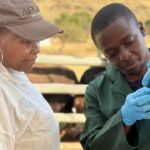
Animal health formed another critical part of the Farmers Day, particularly given the serious risks posed by livestock diseases. Farmers received information about the symptoms associated with Foot-and-Mouth Disease and the importance of recognising potential signs quickly. Early awareness can help farmers respond appropriately when disease is suspected and seek assistance from the relevant veterinary authorities. Disease control requires farmers to remain vigilant because the movement of animals, people, vehicles and equipment can create pathways for disease transmission. Understanding the warning signs and following applicable animal health requirements are therefore essential components of responsible pig farming.
African Swine Fever was also discussed, with emphasis placed on strict biosecurity and sanitation as important measures for protecting pig herds. African Swine Fever can have severe consequences for pig producers and requires farmers to take preventative measures seriously. Good biosecurity involves controlling access to pig housing, managing visitors, cleaning and disinfecting equipment and maintaining appropriate hygiene practices. Farmers also need to pay attention to the movement of animals, feed, vehicles and people because these can potentially introduce disease into a production facility. Consistent sanitation and disciplined farm routines can reduce exposure to disease risks and strengthen overall herd protection.
The discussions at the Mkhondo Town Hall demonstrated that sustainable pig farming requires farmers to manage several areas of production at the same time. Nutrition, financial management, genetics and animal health are closely connected because weakness in one area can affect performance in others. A farmer may have good genetics but struggle with profitability if feed costs are poorly controlled, while strong nutrition cannot compensate for serious disease risks. Producers therefore need an integrated approach that considers the entire production system. The SAPPO Academy Farmers Day provided an opportunity for farmers to look at their operations from this broader perspective.
The event also reinforced the value of continuous education for piggery farmers. Agricultural production methods continue to develop and farmers need access to current knowledge if they want to remain competitive and sustainable. Practical training can help producers identify areas for improvement while giving them an opportunity to discuss challenges with specialists and other farmers. Events such as the SAPPO Academy Farmers Day can also encourage producers to review established practices and consider whether changes could improve efficiency. Continued learning is particularly important in a sector where feed costs, genetics, disease risks and market conditions can directly influence profitability.
The SAPPO Academy Farmers Day in Mkhondo provided farmers with practical knowledge aimed at strengthening the technical and financial foundations of their piggery businesses. The focus on precision nutrition showed how carefully balancing water, energy, protein, minerals and vitamins can help farmers manage feed costs and support animal performance. Discussions on replacement gilts and culling provided guidance on maintaining a productive sow herd, while the animal health sessions reinforced the importance of early disease awareness, strict biosecurity and sanitation. With SAPPO, DARDLEA and industry partners such as Urban Farm, DANBRED, TWK and ALZU Pig Genetics contributing to the programme, farmers gained access to expertise across several important areas of pig production. Applying this knowledge consistently on the farm can help producers control costs, protect their herds and build more productive and profitable piggery businesses.
Join 'Farmers Mag' WhatsApp Channel
Get the latest Farming news and tips delivered straight to your WhatsApp
CLICK HERE TO JOIN