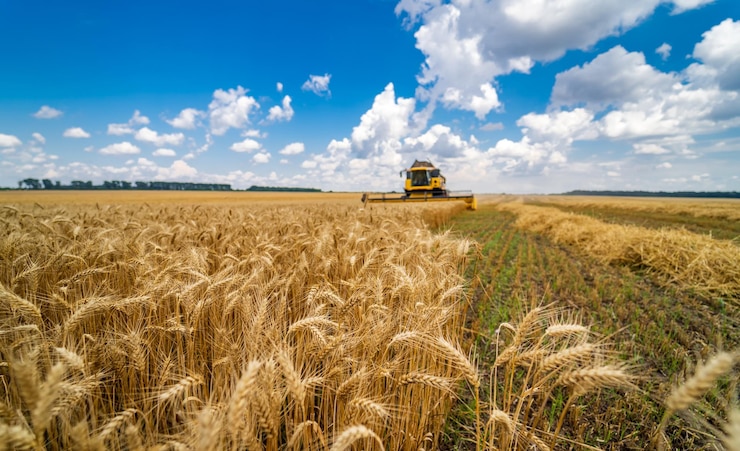
Wheat farming plays a vital role in South Africa’s agricultural sector by supplying one of the country’s most important staple foods. Every year, thousands of farmers produce wheat for flour, bread, pasta, breakfast cereals and animal feed, making it a valuable crop with consistent demand. While wheat production presents excellent opportunities, success depends on careful planning, proper land preparation and effective crop management. Beginners who understand the crop’s growth requirements are better positioned to achieve healthy yields and profitable harvests. South Africa’s diverse climate means wheat can be grown successfully in several regions, although each area requires slightly different farming practices. Learning the basics before planting helps reduce costly mistakes and improves long-term sustainability. Whether you are starting a commercial farm or cultivating a smaller plot, understanding the fundamentals of wheat farming is the first step toward success.
South Africa produces both winter wheat and spring wheat, although winter wheat is the most widely cultivated. Major wheat-producing provinces include the Western Cape, Free State, Northern Cape, Eastern Cape, Limpopo and parts of KwaZulu-Natal. The Western Cape is the country’s largest wheat-producing region due to its Mediterranean climate, where rainfall occurs mainly during winter. Irrigated wheat production is common in provinces such as the Northern Cape and Free State, where rainfall alone is often insufficient for reliable production. Choosing the right production area depends on factors such as rainfall patterns, temperature, soil quality and access to irrigation. Farmers should study local weather conditions and historical rainfall records before deciding where and when to plant.
Selecting the right wheat variety is one of the most important decisions a beginner can make. Different cultivars are bred to perform well under specific climatic conditions, disease pressures and soil types. Some varieties mature earlier than others, while some offer improved resistance to common fungal diseases or better tolerance to drought. Farmers should consult local agricultural extension officers, seed suppliers or research institutions to identify varieties that perform well in their area. Purchasing certified seed ensures high germination rates, genetic purity and reduced risk of introducing seed-borne diseases. Investing in quality seed often leads to stronger crop establishment and improved overall yields.
Successful wheat farming begins with proper soil preparation. Wheat grows best in fertile, well-drained soils with good water-holding capacity and a pH ranging between 5.5 and 7.5. Before planting, farmers should conduct a soil analysis to determine nutrient levels and identify any deficiencies. The results guide fertilizer recommendations and help avoid unnecessary input costs. Land preparation usually involves removing weeds, loosening compacted soil and creating a fine seedbed that promotes even germination. Well-prepared soil encourages healthy root development and allows seedlings to establish quickly after planting.
Planting time varies across South Africa depending on the production region. In winter rainfall areas such as the Western Cape, wheat is generally planted between April and June. In summer rainfall regions, planting usually occurs between May and July under dryland conditions or according to irrigation schedules. Planting at the correct time allows crops to benefit from favorable temperatures and adequate soil moisture throughout the growing season. Delayed planting can expose crops to heat stress during grain filling and significantly reduce yields. Farmers should monitor weather forecasts and soil moisture before sowing to ensure optimal planting conditions.
Correct planting techniques contribute significantly to crop performance. Wheat seed should be planted at a depth of approximately 3 to 5 centimeters, depending on soil type and moisture conditions. Row spacing typically ranges between 15 and 25 centimeters to provide enough room for plant growth while maximizing land use. Seeding rates vary according to variety, planting date and expected rainfall, but achieving an even plant population is essential. Uniform emergence helps crops compete with weeds and improves grain quality at harvest. Modern seed drills provide accurate seed placement, although smaller farmers may also use conventional planting equipment where appropriate.
Nutrient management is essential throughout the growing season. Nitrogen, phosphorus and potassium are the primary nutrients required for healthy wheat growth, although secondary nutrients and micronutrients may also be necessary depending on soil conditions. Nitrogen supports vigorous leaf growth and grain production, while phosphorus encourages strong root development during early growth stages. Potassium helps improve plant health, water regulation and disease resistance. Fertilizer applications should be based on soil test recommendations rather than estimates. Splitting nitrogen applications during the growing season often improves nutrient efficiency and reduces losses caused by leaching.
Water management has a major influence on wheat production. In dryland farming systems, rainfall largely determines crop performance, making moisture conservation an important priority. Farmers can improve water retention through conservation tillage, residue management and maintaining healthy soil organic matter. Irrigated wheat requires careful scheduling to avoid both water stress and excessive irrigation. Critical growth stages such as tillering, flowering and grain filling require adequate moisture to maximize yields. Efficient irrigation systems help conserve water while supporting consistent crop development.
Weed control should begin before planting and continue throughout the growing season. Weeds compete directly with wheat for sunlight, nutrients, moisture and growing space, often reducing yields if left unmanaged. Farmers can combine cultural practices, mechanical cultivation and herbicides to achieve effective weed management. Crop rotation also helps reduce weed populations over time while improving soil health. Regular field inspections allow early identification of emerging weed problems before they become difficult to control. Integrated weed management reduces dependence on herbicides and supports sustainable farming practices.
Disease and pest management are equally important for successful wheat production. Common wheat diseases in South Africa include rusts, powdery mildew, Septoria leaf blotch and Fusarium head blight. Insect pests such as aphids can damage crops directly and spread viral diseases that reduce productivity. Farmers should inspect fields regularly for signs of disease or insect activity and respond quickly when problems appear. Planting resistant varieties, rotating crops and maintaining good field hygiene help reduce disease pressure naturally. Responsible pesticide use should always follow recommended guidelines to protect beneficial insects, the environment and consumer safety.
Harvesting wheat at the correct stage ensures good grain quality and minimizes losses. Wheat is generally ready for harvest when the grain reaches the desired moisture content and the plants have turned golden brown. Delaying harvest increases the risk of grain shattering, lodging, bird damage and weather-related losses. Combine harvesters allow efficient harvesting on large farms, while smaller operations may use alternative harvesting methods depending on available resources. After harvesting, grain should be cleaned, dried if necessary and stored in cool, dry conditions to prevent spoilage. Proper storage protects grain quality and maintains its market value until it is sold.
Marketing is another important aspect of wheat farming that beginners should understand. Farmers may sell their grain directly to millers, grain traders, cooperatives or commodity buyers depending on market opportunities. Grain quality, protein content and moisture levels often influence the final selling price. Keeping accurate production records helps farmers evaluate profitability and identify areas for improvement in future seasons. Monitoring market prices throughout the year allows producers to make informed selling decisions. Developing relationships with reliable buyers can provide greater stability and improve long-term business success.
Wheat farming in South Africa offers rewarding opportunities for new farmers who are willing to invest time in learning the crop’s requirements. Success depends on selecting suitable varieties, preparing fertile soil, planting at the right time and managing water, nutrients, weeds and pests effectively. Consistent monitoring throughout the growing season enables farmers to address challenges before they significantly affect production. As farming experience grows, producers can refine their management practices, improve efficiency and increase profitability over time. Modern farming technologies, quality inputs and sound agricultural knowledge continue to make wheat production more productive and sustainable. Beginners who approach wheat farming with careful planning and a commitment to continuous learning will be well positioned for long-term success. With growing demand for wheat products across South Africa, well-managed wheat farms can contribute to both household income and national food security.
Join 'Farmers Mag' WhatsApp Channel
Get the latest Farming news and tips delivered straight to your WhatsApp
CLICK HERE TO JOIN