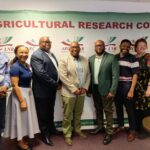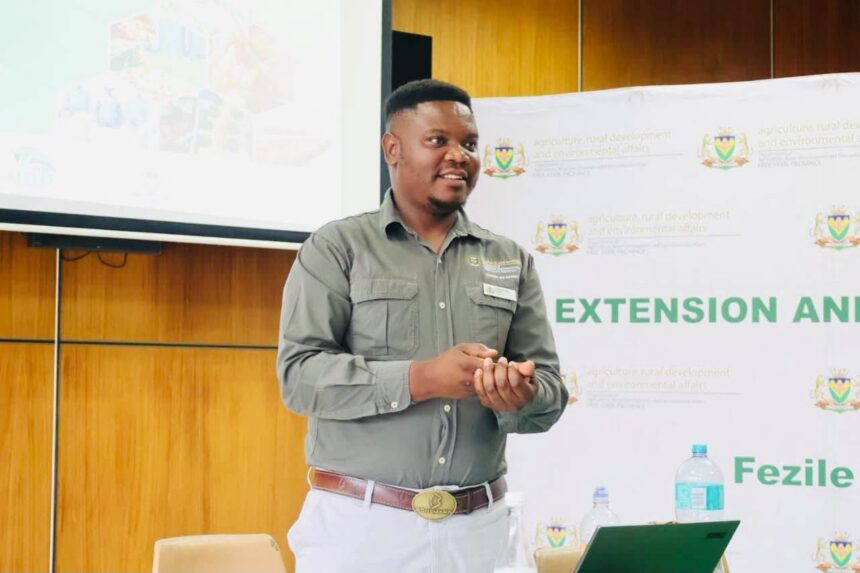
Effective agricultural extension services are essential for building a productive farming sector, supporting emerging farmers and improving food security. Recognising the importance of skilled and knowledgeable agricultural personnel, the Department of Agriculture and Rural Development is conducting an Extension and Advisory Services Summit and Induction Session across all five districts in the Free State. The second day of the programme took place on Friday in Kroonstad, under the Fezile Dabi District, bringing together newly appointed Agricultural Assistants and departmental specialists for knowledge sharing and professional development. The summit aims to prepare new employees for their responsibilities, strengthen their understanding of agricultural legislation and improve the quality of services provided to farming communities. Through practical presentations on agricultural resource management, farmer support programmes, workplace ethics and public service delivery, the initiative seeks to build a capable extension workforce that can respond effectively to the needs of farmers across the province.
Agricultural extension and advisory services play a vital role in connecting farmers with the knowledge, skills and resources needed to improve their farming operations. Agricultural practitioners work directly with producers, helping them address challenges related to crop production, livestock management, soil conservation, farm planning and market access. They also assist farmers in understanding government programmes and accessing relevant agricultural development opportunities. For emerging and smallholder farmers, access to reliable technical advice can make a significant difference to production decisions and business development. Well-trained extension personnel are therefore an important part of efforts to strengthen agricultural productivity and promote sustainable rural development. Investing in the skills of newly appointed Agricultural Assistants is an investment in the future of farming communities.
The summit was organised by Extension and Advisory Services to ensure that newly appointed Agricultural Assistants understand their roles and responsibilities within the department. The programme also provides an opportunity to share knowledge, discuss workplace and operational challenges and clarify expectations. Particular attention is being given to legal compliance, occupational health and safety requirements and the development of employees towards full productivity. These areas are important because agricultural practitioners often work directly with farmers in different production environments, including crop fields, livestock facilities and community agricultural projects. Understanding departmental procedures and professional standards helps employees carry out their duties responsibly while protecting themselves and the communities they serve.
One of the key presentations was delivered by Mr Lebogang Kgolwanyane from Labour Relations under Human Resource Management within DARDEA. His presentation focused on work ethics and the importance of maintaining a cordial relationship between employers and employees. He discussed professional conduct, mutual respect and the importance of managing and resolving workplace conflict constructively. Although workplace ethics may appear to be an internal organisational matter, they have a direct influence on the quality of services delivered to farmers. Agricultural practitioners who communicate effectively, work cooperatively and demonstrate accountability are better positioned to respond to farmers’ needs. Maintaining professional relationships also supports teamwork and helps ensure that agricultural services are delivered consistently and efficiently.
For agricultural extension personnel, professionalism is particularly important because they represent the department when engaging with farming communities. Farmers depend on officials to provide accurate information, respond to enquiries and offer practical guidance on production challenges. Poor communication, unresolved workplace conflict or a lack of accountability can affect the quality and reliability of these services. The presentation therefore reinforced the importance of building a workplace culture based on respect, responsibility and effective communication. These values contribute to a more productive workforce and stronger relationships between government institutions and farmers.
Agricultural legislation and sustainable natural resource management were also important topics during the summit. Mr Mashudu Netshitomboni from the Department of Agriculture’s Land Use and Soil Management unit delivered a presentation on the Conservation of Agricultural Resources Act (CARA). The legislation provides a framework for conserving agricultural resources and preventing practices that contribute to land degradation. It addresses important aspects of agricultural resource protection, including soil conservation, water management and the protection of vegetation. Understanding CARA is essential for agricultural practitioners because farmers rely heavily on healthy natural resources to maintain productive farming operations. The presentation highlighted the responsibility of agricultural officials to promote responsible land use and encourage farming practices that protect the long-term productivity of agricultural land.
Soil health is particularly important for crop production and sustainable agriculture. Poor land management, inappropriate cultivation methods and uncontrolled grazing can contribute to soil erosion and the loss of valuable topsoil. Once degraded, agricultural land may become less productive and require significant effort and resources to restore. Agricultural practitioners can help farmers identify potential land management problems and adopt appropriate conservation measures. These may include suitable cultivation practices, controlled grazing, maintaining vegetation cover and protecting vulnerable areas from erosion. By understanding the principles of CARA, newly appointed Agricultural Assistants will be better equipped to promote responsible agricultural practices and support farmers in protecting their natural resources.
The summit also focused on the Smallholder Horticulture Empowerment and Promotion (SHEP) approach, with a presentation delivered by Mr Mahamutse, the District SHEP Coordinator. He explained the basic principles of the programme and outlined the responsibilities of Agricultural Practitioners in supporting participating farmers. The presentation also addressed what is expected from farmers who take part in SHEP activities. The approach encourages smallholder farmers to become more market-oriented by understanding market demand before making production decisions. Instead of simply growing crops because they are familiar with them, farmers are encouraged to investigate what consumers want, identify potential markets and plan their production accordingly. This approach can help producers make more informed business decisions and improve their opportunities to participate in agricultural markets.
The role of agricultural practitioners in the SHEP programme is to guide and support farmers as they develop their understanding of agricultural markets and production planning. This includes facilitating farmer participation, sharing relevant information and helping producers understand the relationship between market demand and crop selection. Farmers are also expected to take an active role by gathering market information and using it to guide their production decisions. This relationship requires cooperation, commitment and regular engagement between agricultural officials and participating producers. For newly appointed Agricultural Assistants, understanding SHEP is important because it provides practical knowledge that can be applied when supporting smallholder horticultural farmers. Stronger market awareness can help farmers reduce production risks, identify business opportunities and work towards more sustainable farming enterprises.
The importance of customer-focused government services was highlighted in the final presentation of the day. Mr Sekobile from Organisational Development and Service Delivery Improvement presented on the origin of the Batho Pele Principles. Batho Pele, meaning “People First”, provides a framework for improving public service delivery in South Africa. The principles promote accountability, transparency, consultation, access to services and the importance of treating members of the public with dignity and respect. These values are especially relevant to agricultural extension services because farmers are among the communities that depend on government support and technical assistance. Agricultural practitioners must understand that effective service delivery involves listening to farmers, responding to their concerns and providing assistance in a professional and accessible manner.
Applying the Batho Pele Principles in agricultural extension can help strengthen trust between farmers and government institutions. Farmers often approach agricultural offices for assistance with production challenges, livestock concerns, access to agricultural programmes and information about available support services. They need officials who are approachable, knowledgeable and committed to helping them find appropriate solutions. Providing timely feedback and communicating clearly can improve farmers’ experiences when accessing government services. Newly appointed Agricultural Assistants must therefore understand the importance of placing farmers and their needs at the centre of their work. A people-centred approach can improve service delivery and strengthen relationships between agricultural departments and farming communities.
Following the presentations, participants were given an opportunity to ask questions and seek further clarification on the topics discussed. This engagement allowed newly appointed Agricultural Assistants to interact directly with presenters and gain a better understanding of their responsibilities. It also provided a platform for discussing practical issues that employees may encounter when working with farmers and implementing departmental programmes. Open discussions are an important part of professional development because they help address uncertainty and encourage knowledge sharing. The interaction further reinforced the importance of continuous learning in agricultural extension work, where farming conditions, production challenges and support requirements can differ from one community to another.
The decision to conduct the summit across all five districts of the Free State demonstrates the department’s commitment to strengthening agricultural extension services throughout the province. Farmers in different districts face varying challenges depending on their agricultural activities, environmental conditions and access to resources. Some communities depend heavily on livestock production, while others focus on crop farming, horticulture or mixed farming systems. Agricultural practitioners must understand these differences to provide advice that responds to local production needs. A well-prepared extension workforce can help farmers make informed decisions, improve resource management and identify opportunities for agricultural development. Consistent training and professional support are therefore important for improving the overall effectiveness of farmer support services.
The summit also highlights the connection between effective agricultural extension and broader provincial development priorities. Farmers who receive appropriate technical support may be better positioned to improve production, manage agricultural risks and develop sustainable farming businesses. Stronger agricultural enterprises can contribute to employment, local economic activity and food production. Extension services also help transfer agricultural knowledge and encourage the adoption of improved farming practices. By strengthening the capacity of newly appointed Agricultural Assistants, the department is building a foundation for more responsive and effective support to farming communities.
The Extension and Advisory Services Summit in Kroonstad is an important step towards developing a skilled, accountable and farmer-focused agricultural workforce in the Free State. Through presentations on workplace ethics, the Conservation of Agricultural Resources Act, the SHEP approach and Batho Pele Principles, newly appointed Agricultural Assistants are gaining knowledge that will guide their daily responsibilities. The programme reinforces the importance of professional conduct, sustainable land management, market-oriented farming and quality public service delivery. As the induction continues across the province’s five districts, the knowledge gained will help strengthen the relationship between agricultural officials and the farmers they serve. Ultimately, effective extension services are essential for building productive farms, supporting emerging agricultural producers and advancing sustainable agricultural development in the Free State.
Join 'Farmers Mag' WhatsApp Channel
Get the latest Farming news and tips delivered straight to your WhatsApp
CLICK HERE TO JOIN