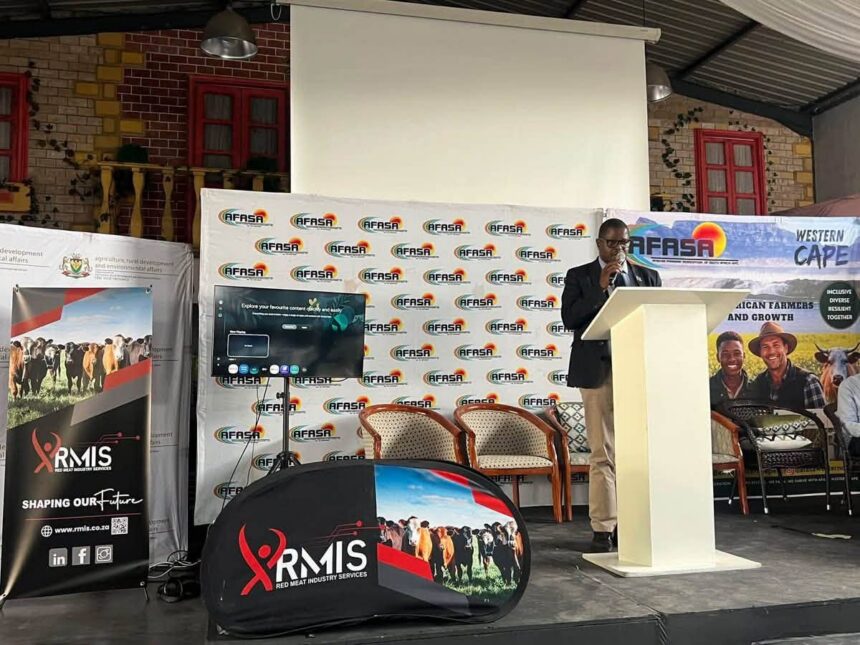
Access to land and agricultural support can help farmers establish their operations, but these resources alone do not guarantee a successful farming business. Farmers also need reliable markets, suitable finance, water, equipment, training and opportunities to expand their operations. This was one of the key messages shared by Jeremia Mathebula, Chairperson of PGP, during the AFASA National Annual General Meeting (AGM) held on 19 November 2026. In his address, Mathebula highlighted the need to help developing farmers move beyond simply producing crops towards building profitable and sustainable agricultural businesses. He emphasised that farming support should enable producers to earn a good income from their work rather than leave them dependent on assistance year after year. His message placed market access and business development at the centre of efforts to strengthen emerging and developing farmers in South Africa.
One of the important ideas raised by Mathebula was the need to move from “grow and sell” to “grow to sell”. This approach encourages farmers to identify potential buyers and understand market requirements before deciding what to plant. Rather than producing crops first and looking for customers after harvesting, farmers should consider demand, quality standards, volumes and selling opportunities during their planning process. This can help producers make better decisions about crop selection and the scale of their production. It also encourages farmers to treat agriculture as a business that requires planning, financial management and a clear understanding of the market. Knowing where produce will be sold can help reduce uncertainty and improve the chances of earning a return from farming activities.
Market access remains one of the important challenges facing developing farmers. Producing a good harvest does not automatically mean that a farmer will secure a profitable sale. Farmers need access to buyers who are willing to purchase their produce at prices that make commercial sense. They may also need to meet specific requirements relating to product quality, packaging, delivery schedules and supply volumes. Without reliable market information, producers can struggle to decide what to grow and how much to produce. Strengthening connections between farmers and buyers can therefore help create more predictable opportunities and support the growth of agricultural businesses.
The shift towards market-led production also requires farmers to understand what consumers and buyers want. Different markets may have different expectations regarding crop varieties, quality, quantities and delivery arrangements. Farmers who understand these requirements can plan their production more effectively and consider whether they have the capacity to meet them. This approach can also encourage communication between producers, traders, retailers and other participants in the agricultural value chain. Stronger relationships can help farmers understand market trends and identify opportunities before investing in production. For developing farmers, this knowledge can be just as important as access to land and agricultural inputs.
Mathebula also highlighted the need to improve farmers’ access to finance, water, equipment and training. These resources are essential for establishing and expanding agricultural operations, but accessing them can be difficult when support is spread across different organisations and institutions. Farmers may need to approach several service providers to secure the resources required for one farming project. This can create delays and make it harder for producers to focus on their businesses. Better coordination between agricultural support institutions could make it easier for farmers to identify available assistance and access the services they need. A more connected support system would help reduce unnecessary obstacles and allow farmers to concentrate on improving production and growing their enterprises.
Access to finance is particularly important because farming requires investment at different stages of production. Farmers need money to purchase seed, fertiliser, machinery, irrigation equipment and other essential inputs. They may also need working capital to cover operating costs while waiting for crops to mature and generate income. Without suitable financing, producers can struggle to maintain production levels or take advantage of new business opportunities. Financial support should therefore consider the realities of agricultural production, including seasonal income and the risks associated with farming. Improving access to appropriate finance can help developing farmers invest in their operations and work towards long-term business sustainability.
Water is another essential resource for agricultural development. Reliable access to water can influence which crops farmers can produce, how much land they can cultivate and how consistently they can supply markets. Water shortages and unreliable access can create production risks, particularly for farmers who depend on irrigation. Investment in suitable water infrastructure and effective water management can help producers make better use of available resources. Farmers also need guidance on using water efficiently and maintaining the infrastructure required for production. Support that addresses water access can help strengthen agricultural productivity and improve the ability of farmers to meet market demand.
Equipment and agricultural training are equally important in helping farmers improve their operations. Suitable machinery and tools can make production activities more efficient and reduce some of the physical demands associated with farming. However, access to equipment must be matched with the knowledge needed to use and maintain it properly. Training can help farmers improve production techniques, manage inputs and understand the business side of agriculture. It can also strengthen their ability to make decisions about costs, marketing and future investment. Combining equipment with practical training gives farmers a better opportunity to use available resources effectively and build productive enterprises.
A further message from Mathebula was that agricultural support should produce measurable improvements on farms. Support should not be judged only by the number of farmers who receive assistance or the resources distributed through a programme. It should also be assessed by whether farmers improve their harvests, earn better incomes and expand their farming activities. These outcomes provide a clearer indication of whether support is helping producers develop sustainable businesses. Farmers need assistance that responds to their actual challenges and supports progress over time. This requires institutions to understand the conditions farmers operate under and consider what each business needs to move to the next stage of development.
The focus on moving farmers forward also raises an important question about long-term agricultural development. Repeated support can help farmers address immediate challenges, but it should also build their ability to operate independently and make sound business decisions. Developing farmers need opportunities to increase production, strengthen their financial position and establish dependable relationships with buyers. They also need access to information that helps them understand costs, prices and market requirements. When support combines practical resources with business development, farmers have a stronger foundation for growth. The aim should be to help producers progress from basic production towards viable agricultural enterprises that can contribute to jobs, food production and the wider economy.
Mathebula’s message at the AFASA National AGM highlighted the importance of treating farmers as business owners who need opportunities to grow. Land, inputs and other forms of assistance remain important, but they must form part of a wider approach that connects production with markets and income generation. Helping farmers understand demand before planting, improving access to finance and water, providing suitable equipment and strengthening agricultural training can make support more effective. Better coordination between organisations can also reduce the difficulties farmers face when seeking assistance. The real measure of agricultural support should be the progress farmers make, the income they earn and the strength of the businesses they build. South Africa needs an agricultural support system that does more than help farmers plant. It must create the conditions for them to produce profitably, reach markets and build sustainable businesses.
Join 'Farmers Mag' WhatsApp Channel
Get the latest Farming news and tips delivered straight to your WhatsApp
CLICK HERE TO JOIN