South Africa’s agricultural sector is constantly evolving as farmers explore alternative crops that can improve profitability, promote sustainability and meet growing market demand. Among these emerging opportunities are fibre crops, which have gained increasing attention because of their wide range of industrial, agricultural and commercial applications. While cotton remains one of the country’s most recognized fibre crops, other crops such as hemp are attracting interest from farmers, investors and manufacturers looking to diversify production. Fibre crops provide raw materials for industries including textiles, construction, paper production, animal bedding and biodegradable products. As global demand for sustainable materials continues to grow, South Africa is well positioned to benefit from expanding its fibre crop industry through responsible cultivation and value addition.
Fibre crops are plants that are grown primarily for the strong natural fibres found in their stems, leaves, seeds or fruits. These fibres are processed into materials used in manufacturing, agriculture and various industrial applications. Unlike crops grown mainly for food consumption, fibre crops serve as renewable raw materials that support a wide range of economic activities. Their versatility makes them valuable to industries seeking environmentally friendly alternatives to synthetic materials. Many fibre crops can also be integrated into existing farming systems, allowing producers to diversify their income while improving land use efficiency.
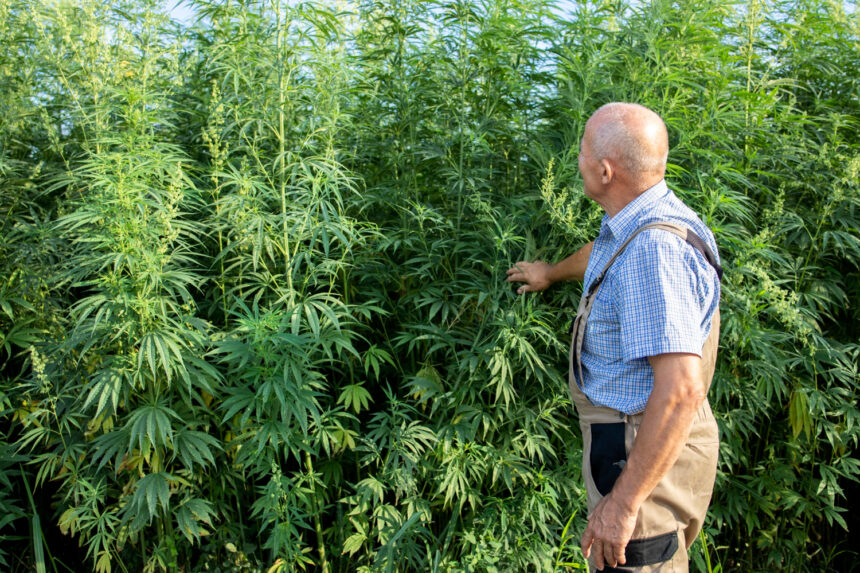
Hemp has become one of the most talked about alternative fibre crops because of its remarkable versatility and economic potential. Industrial hemp belongs to the Cannabis sativa species but is cultivated specifically for industrial purposes and contains only very low levels of tetrahydrocannabinol (THC), the psychoactive compound associated with marijuana. This distinction is important because industrial hemp is grown for fibre, seed and oil rather than recreational use. The crop produces long, durable fibres that can be processed into textiles, ropes, paper, insulation materials, biodegradable plastics and construction products. Hemp seeds are also used to produce edible oils, protein rich foods and animal feed, creating multiple income opportunities from a single crop.
South Africa has shown increasing interest in developing a commercial hemp industry as part of broader efforts to diversify agriculture and stimulate rural economic development. Government policy changes and growing investment have created new opportunities for licensed hemp cultivation and processing. Farmers in suitable regions are beginning to explore hemp as an alternative cash crop that can contribute to employment creation and local manufacturing. As regulations continue to evolve, more producers are expected to participate in the emerging hemp value chain. Expanding local processing capacity will also be essential for ensuring that farmers capture greater value from their harvests rather than exporting raw materials.
One of hemp’s greatest advantages is its environmental sustainability. The crop grows relatively quickly and can produce significant amounts of biomass within a single growing season. It generally requires fewer pesticides than many conventional crops because of its natural ability to compete with weeds and resist certain pests. Hemp’s deep root system helps improve soil structure, reduce erosion and promote better water infiltration, contributing to healthier agricultural land over time. These characteristics make hemp an attractive option for farmers seeking environmentally responsible production systems that balance profitability with long term resource conservation.
Water management is another important consideration for South African farmers, particularly in regions that experience periodic droughts and water shortages. While hemp still requires adequate moisture to achieve high yields, it can often be managed efficiently under suitable growing conditions with careful irrigation planning. Selecting appropriate production areas and adopting water efficient farming practices helps maximize productivity while conserving valuable water resources. Sustainable irrigation methods combined with proper soil management can further improve crop performance. Responsible resource use is becoming increasingly important as climate variability continues to affect agricultural production across the country.
In addition to hemp, South Africa has the potential to expand the cultivation of other fibre crops depending on local climate and market demand. Flax, kenaf and sisal are examples of fibre crops grown in various parts of the world for industrial use. Kenaf produces strong fibres used in paper products, packaging materials, automotive components and building materials. Sisal is valued for its durable fibres that are commonly used in ropes, mats, brushes and agricultural twine. Flax provides fibres used in linen production while its seeds are also processed into linseed oil and various food products, offering farmers additional marketing opportunities.
The economic potential of fibre crops extends far beyond primary production. Establishing local processing facilities creates opportunities for manufacturing, product development and job creation throughout the agricultural value chain. Instead of exporting raw fibre, South Africa can benefit from producing finished products such as textiles, paper, construction materials, biodegradable packaging and other value added goods. This approach strengthens local industries while increasing the contribution of agriculture to national economic growth. Developing complete value chains also improves income opportunities for farmers and supports rural development through expanded employment.
Despite the promising outlook, farmers interested in growing hemp and other fibre crops should carefully evaluate market opportunities before planting. Successful production depends on access to reliable buyers, suitable processing facilities and compliance with relevant regulations. Conducting market research helps farmers understand customer requirements, quality standards and pricing trends before making significant investments. Working with agricultural extension officers, research institutions and industry organizations can provide valuable technical guidance throughout the production process. Careful planning reduces risk and increases the likelihood of establishing a profitable fibre crop enterprise.
Research and innovation will continue to play an important role in the development of South Africa’s fibre crop industry. Agricultural scientists are working to identify improved crop varieties, enhance production techniques and develop more efficient processing technologies. Ongoing research also supports sustainable farming practices that improve productivity while protecting natural resources. Collaboration between government, universities, private industry and farming communities can accelerate the growth of the sector and strengthen its global competitiveness. Continued investment in research helps ensure that South African producers remain responsive to changing market demands and technological advancements.
Fibre crops also offer opportunities to support climate smart agriculture by contributing to more diversified and resilient farming systems. Crop diversification reduces dependence on a single commodity and helps farmers manage financial risk during periods of fluctuating market prices or adverse weather conditions. Integrating fibre crops into crop rotation systems can improve soil health, interrupt pest cycles and enhance overall farm sustainability. These benefits strengthen agricultural resilience while supporting long term productivity. As global industries increasingly seek renewable and environmentally friendly raw materials, fibre crops are expected to become even more valuable within modern agricultural systems.
The future of fibre crops such as hemp in South Africa is promising as farmers, investors and policymakers recognize their economic and environmental potential. These crops provide opportunities to diversify agricultural production, support sustainable farming practices and supply industries with renewable raw materials that meet growing global demand. With appropriate regulations, continued research, investment in processing infrastructure and strong market development, hemp and other fibre crops can become important contributors to rural development and economic growth. Farmers who carefully assess production requirements and market opportunities will be well positioned to benefit from this expanding sector. As South Africa continues to modernize its agricultural industry, fibre crops have the potential to create new income streams, generate employment and promote a more sustainable future for agriculture and manufacturing alike.
Join 'Farmers Mag' WhatsApp Channel
Get the latest Farming news and tips delivered straight to your WhatsApp
CLICK HERE TO JOIN