

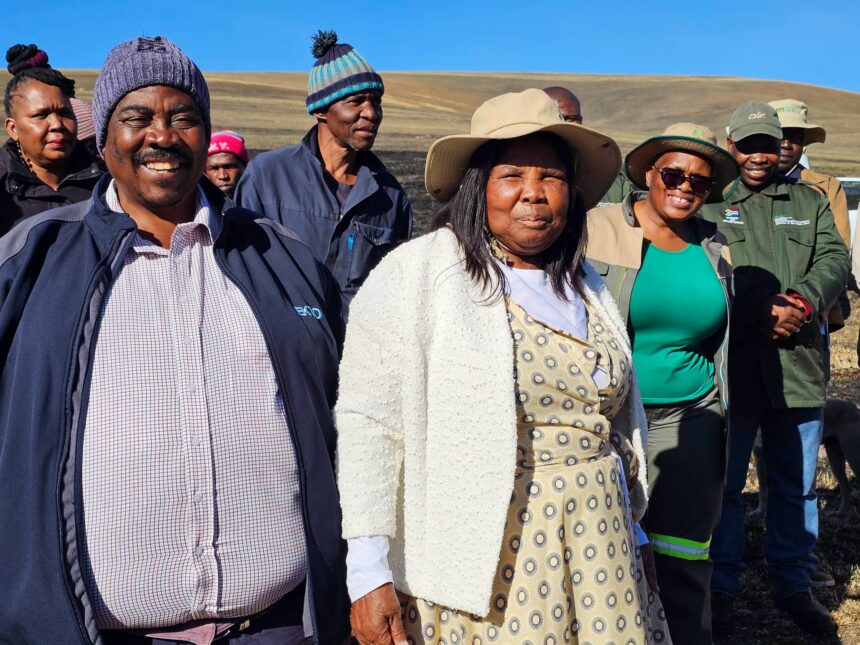
The Eastern Cape Department of Agriculture has intensified efforts to protect livestock and support rural farmers through a Foot and Mouth Disease (FMD) Vaccination Drive led by Deputy Minister Nokuzola Capa in the Ingquza Hill Local Municipality. The vaccination campaign forms part of the department’s Nelson Mandela Month Outreach Programme, which focuses on delivering meaningful services that improve the lives of rural communities. By prioritising animal health, the initiative aims to reduce the risks associated with FMD outbreaks while strengthening the sustainability of farming operations. Livestock plays an important role in many rural households by providing income, food security and economic opportunities. Protecting cattle health through preventative measures is therefore essential for safeguarding farmers’ livelihoods and maintaining a stable agricultural sector.
During the outreach programme, a total of 559 cattle are being vaccinated as part of ongoing efforts to control the spread of Foot and Mouth Disease. FMD is a highly contagious livestock disease that affects cloven-hoofed animals such as cattle, sheep, goats and pigs. Although the disease does not usually cause death in adult animals, it can significantly reduce productivity by affecting weight gain, milk production, breeding performance and overall herd health. For smallholder farmers who depend on livestock for household income and food resources, an outbreak can have serious financial consequences. Vaccination campaigns such as this one provide farmers with an important tool to protect their animals and reduce the economic impact of disease.
The vaccination drive highlights the importance of proactive animal health management in livestock farming. Regular vaccination, disease monitoring and early reporting of suspected cases are key practices that help prevent the spread of livestock diseases. Farmers are encouraged to work closely with veterinary officials and agricultural extension officers to ensure that their herds receive appropriate health care. Maintaining healthy animals improves farm productivity and supports more reliable livestock production systems. Preventative health measures also reduce the need for emergency interventions and help farmers manage their operations more effectively.
Foot and Mouth Disease remains a major concern for livestock producers because outbreaks can affect local farming activities and restrict access to certain markets. When FMD is detected, movement controls and other measures may be introduced to prevent the disease from spreading to unaffected areas. These restrictions can create challenges for farmers who rely on selling livestock as a source of income. By supporting vaccination initiatives, government departments help farmers reduce disease risks and improve preparedness. Strong disease prevention programmes are essential for maintaining confidence in the livestock industry and protecting agricultural trade opportunities.
The involvement of Deputy Minister Nokuzola Capa in the vaccination campaign demonstrates the government’s commitment to working directly with farming communities. Outreach programmes allow officials to engage with farmers, understand their challenges and provide practical support where it is most needed. Direct community engagement strengthens relationships between government and rural producers while ensuring that important agricultural services reach farming areas. The programme also reinforces the importance of collaboration between farmers, veterinary services and government institutions. Working together creates a stronger response system for managing animal health challenges.
Livestock health is closely linked to food security and rural economic development, making programmes such as the FMD Vaccination Drive important for the broader agricultural sector. Healthy cattle contribute to stable food production systems and provide farmers with opportunities to generate income through livestock sales. Protecting herds also supports households that depend on animals for food, cultural practices and financial security. By investing in animal health, government initiatives help strengthen rural resilience and improve the sustainability of farming communities. Strong livestock management practices contribute to a more secure and productive agricultural future.
The vaccination campaign also highlights the importance of educating farmers about disease prevention and responsible livestock management. Farmers benefit from understanding the signs of FMD, the importance of reporting unusual symptoms and the need to follow veterinary guidance during disease outbreaks. Good record keeping, including maintaining vaccination information and tracking animal movements, can also improve herd management. These practices help farmers make better decisions while supporting wider disease control efforts. Knowledge and awareness remain essential components of successful livestock health programmes.
Smallholder farmers in areas such as Ingquza Hill Local Municipality often face challenges including limited resources, changing climate conditions and access to agricultural support services. Government-led programmes that provide veterinary assistance and technical guidance help address some of these challenges. By bringing vaccination services directly to farming communities, the department ensures that more livestock owners can access important disease prevention measures. These interventions strengthen the ability of rural farmers to protect their animals and maintain productive enterprises. Supporting smallholder farmers contributes to inclusive agricultural development and stronger rural economies.
The Nelson Mandela Month Outreach Programme reflects the values of service, community development and practical action by addressing challenges that directly affect rural households. Through the FMD Vaccination Drive, the department is turning these principles into meaningful support for farmers and livestock owners. Protecting cattle from disease helps preserve livelihoods, improve agricultural productivity and strengthen food security across rural communities. The initiative demonstrates how targeted interventions can create lasting benefits for farmers and the wider agricultural sector. Continued investment in livestock health remains essential for building resilient farming communities.
The Foot and Mouth Disease Vaccination Drive led by Deputy Minister Nokuzola Capa in Ingquza Hill Local Municipality represents an important step in protecting livestock and supporting the future of farming in the Eastern Cape. By vaccinating 559 cattle, the programme is helping reduce disease risks while promoting responsible animal health practices among farmers. The initiative strengthens food security, protects rural livelihoods and reinforces the importance of cooperation between government and agricultural communities. As farmers continue to face challenges linked to animal diseases and changing farming conditions, programmes focused on prevention and support remain critical. Through meaningful action inspired by Madiba’s legacy, the department continues to build healthier livestock systems and stronger rural communities across the province.
Join 'Farmers Mag' WhatsApp Channel
Get the latest Farming news and tips delivered straight to your WhatsApp
CLICK HERE TO JOIN




