The Mpumalanga Department of Agriculture, Rural Development, Land and Environmental Affairs (DARDLEA) continues to support the growth of the province’s livestock industry by providing practical training and valuable industry knowledge to local farmers. This commitment was demonstrated during the recent Beef Production and Management Farmer’s Day held at the Sakhile Stanwest Hall in Standerton. The event brought together livestock farmers, agricultural specialists and leading industry partners to discuss the latest approaches to improving beef production, animal health and sustainable farming. By creating a platform where farmers could interact directly with experts, the department reinforced the importance of knowledge sharing in strengthening the agricultural sector. The initiative reflects DARDLEA’s ongoing efforts to improve farm productivity, expand market opportunities and promote responsible livestock management across Mpumalanga.
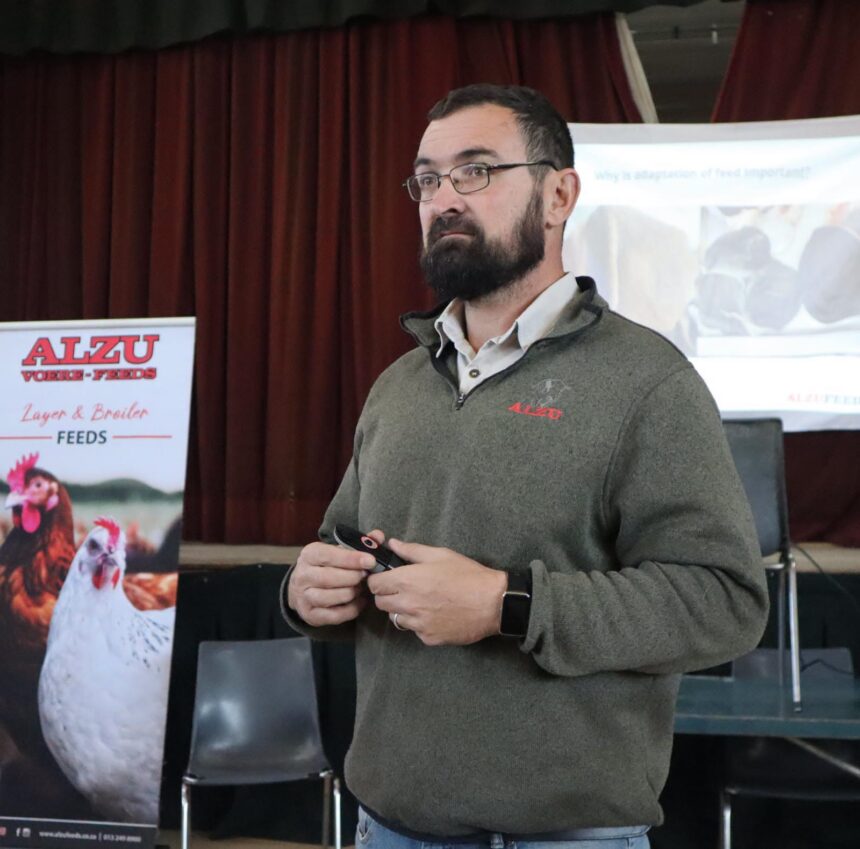
The Farmer’s Day attracted strong participation from local cattle farmers who were eager to learn practical techniques that could improve the performance of their herds. Industry partners, including ALZU Feeds, AFRIVET, RMIS and KARAN BEEF, contributed their expertise by presenting valuable information on nutrition, animal health, traceability and commercial market access. Their involvement ensured that farmers received advice based on current industry standards and best practices. Bringing together government officials and private sector experts created a comprehensive learning environment where participants could gain practical knowledge from multiple perspectives. This collaboration highlights the importance of partnerships in supporting the long term success of South Africa’s beef industry.
One of the major topics discussed during the workshop was beef production and the importance of maintaining healthy cattle throughout the year, particularly during the challenging winter season. Winter conditions often reduce the availability and nutritional value of natural grazing, making supplementary feeding essential for maintaining animal health and productivity. Farmers learned how proper feeding programmes help cattle maintain body condition, support growth and improve reproductive performance during periods of nutritional stress. Experts emphasized that investing in good nutrition during winter often leads to stronger herd performance throughout the rest of the year. Proper planning before the onset of winter allows farmers to avoid unnecessary production losses and protect the overall profitability of their operations.
Winter lick supplementation formed an important part of the discussions because it provides cattle with essential minerals, protein and nutrients that may be lacking in dry grazing conditions. Farmers were advised on selecting appropriate lick formulations based on seasonal requirements and the nutritional needs of different categories of livestock. Providing balanced supplementation helps improve digestion, supports immune function and maintains healthy weight during periods when pasture quality declines. Participants also learned that well nourished cattle are generally more resistant to disease and recover more effectively from environmental stress. Effective supplementation therefore contributes directly to both animal welfare and farm profitability.
Another key area covered during the Farmer’s Day was veld and pasture management, which plays a crucial role in sustainable beef production. Healthy grazing land supports livestock performance while protecting valuable natural resources for future generations. Farmers received guidance on rotational grazing systems that allow pasture to recover between grazing periods, leading to healthier grass growth and improved carrying capacity. The workshop also emphasized the importance of maintaining proper stocking rates to prevent overgrazing, soil degradation and declining pasture quality. Good grazing management not only benefits livestock but also contributes to environmental conservation and long term agricultural sustainability.
Primary animal health care received considerable attention throughout the programme because disease prevention remains one of the most effective ways to improve productivity and reduce financial losses. Farmers were encouraged to implement routine vaccination programmes and establish effective parasite control strategies to maintain healthy herds. Daily livestock monitoring was highlighted as an essential management practice that allows farmers to identify health problems early before they spread throughout the herd. Early detection of illness often reduces treatment costs while improving recovery rates and minimizing production losses. Strong animal health programmes form the foundation of successful commercial beef farming operations.
The workshop also addressed the importance of preventing highly contagious livestock diseases such as Foot and Mouth Disease. Farmers were reminded that maintaining strict biosecurity measures and observing animals regularly can significantly reduce the risk of disease outbreaks. Proper animal movement controls, timely reporting of suspicious symptoms and compliance with veterinary regulations all contribute to protecting the wider livestock industry. Preventing disease outbreaks benefits individual farmers while safeguarding regional and national agricultural markets. Maintaining healthy herds also strengthens consumer confidence and supports the continued growth of South Africa’s beef sector.
Market access was another major focus of the Farmer’s Day, with KARAN BEEF providing valuable information about opportunities available to commercial beef producers. Farmers learned about the standards required when supplying cattle to formal markets, including quality expectations, record keeping and compliance with industry regulations. Understanding buyer requirements allows producers to align their farming practices with market demands, improving their chances of securing profitable sales. Commercial market participation often provides farmers with more stable income opportunities while encouraging continuous improvements in production standards. Access to reliable markets remains one of the most important factors influencing the long term success of livestock enterprises.
The importance of livestock traceability was further emphasized through presentations on the RMIS Traceability Platform. Farmers were encouraged to register their cattle to improve traceability and meet industry requirements that support food safety and disease control. Traceability systems allow animals to be tracked throughout the production chain, increasing transparency and strengthening confidence among buyers, processors and consumers. Registration also assists authorities in managing animal disease outbreaks more effectively by providing accurate livestock movement records. As international and domestic markets increasingly require traceability, participation in systems such as RMIS becomes an important competitive advantage for cattle producers.
The Beef Production and Management Farmer’s Day hosted by Mpumalanga DARDLEA demonstrated the value of combining government support with private sector expertise to strengthen South Africa’s livestock industry. Through practical training on nutrition, pasture management, animal health, disease prevention and market access, farmers gained valuable knowledge that can improve productivity and long term business success. The participation of industry partners such as ALZU Feeds, AFRIVET, RMIS and KARAN BEEF ensured that attendees received relevant information aligned with current industry standards and commercial opportunities. By encouraging sustainable farming practices and greater market readiness, the department continues to empower beef farmers to build stronger, healthier and more profitable enterprises. Initiatives like this Farmer’s Day play an important role in supporting food security, rural economic development and the continued growth of Mpumalanga’s agricultural sector.
Join 'Farmers Mag' WhatsApp Channel
Get the latest Farming news and tips delivered straight to your WhatsApp
CLICK HERE TO JOIN