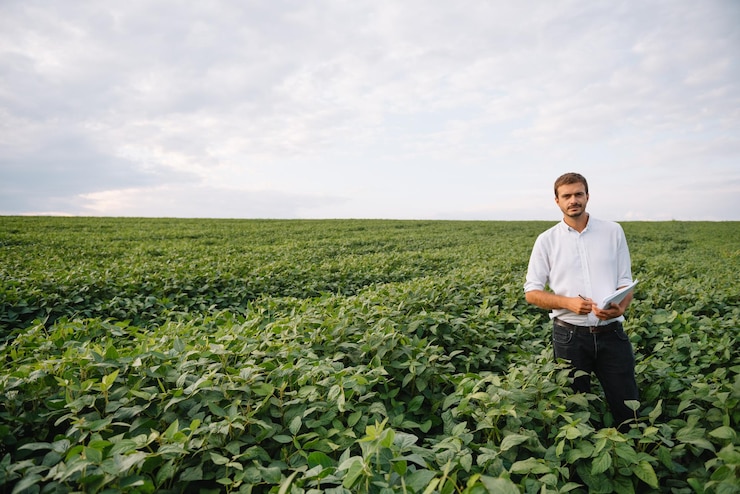
Soybean production has become an increasingly important part of South Africa’s agricultural sector as farmers seek profitable crops that support food security, animal feed production and industrial development. The crop has gained attention because of its versatility, with soybeans being used in products such as cooking oil, livestock feed, processed foods and various industrial applications. South Africa has expanded its soybean production over the past few decades as producers recognize its economic potential and its role within sustainable crop rotation systems. The crop contributes significantly to the agricultural value chain by supporting farmers, processors and industries that depend on reliable supplies of plant-based protein. As demand for soybean products continues to increase, understanding the basics of soybean production is important for farmers interested in adding this crop to their farming operations.
Soybeans are a legume crop that belongs to the same plant family as other nitrogen-fixing crops such as beans and peas. One of the key benefits of soybean production is the plant’s ability to work with specific soil bacteria to fix atmospheric nitrogen, improving soil fertility and reducing dependence on synthetic nitrogen fertilisers. This makes soybeans a valuable crop in rotation systems, especially when planted before crops such as maize that require significant nutrient inputs. The crop is mainly grown for its protein-rich seeds, which are processed into products used for human consumption and livestock nutrition. In South Africa, soybean meal is an important ingredient in animal feed, supporting the poultry, dairy and livestock industries.
South Africa’s soybean production is concentrated mainly in regions with suitable rainfall, temperatures and soil conditions. Provinces such as Mpumalanga, Free State, KwaZulu-Natal, Limpopo and parts of North West contribute significantly to national soybean production. These areas provide growing conditions that support successful soybean cultivation, although farmers must carefully manage factors such as planting dates, soil fertility and water availability. Soybeans perform best in warm conditions with adequate moisture during key growth stages, especially during flowering and seed development. Selecting the right production area and adapting farming practices to local conditions are essential steps for achieving strong yields.
Successful soybean production begins with proper soil preparation and selecting suitable soybean varieties for the farming environment. Farmers need to consider factors such as soil type, climate conditions, disease resistance and maturity periods when choosing seed varieties. Soybeans generally perform well in well-drained soils with good fertility, although they can be grown under different conditions when managed correctly. Soil testing is an important practice because it helps farmers understand nutrient levels and make informed decisions about fertiliser requirements. Proper preparation before planting creates a strong foundation for healthy crop development and improved production outcomes.
Planting time is another important factor that influences soybean performance. Farmers typically plant soybeans during warmer months when soil temperatures are suitable for germination and early growth. The ideal planting period varies depending on the region, rainfall patterns and soybean variety being used. Planting too early in cold soils can reduce germination, while planting too late may expose the crop to unfavourable weather conditions during maturity. Careful planning allows farmers to take advantage of available moisture and maximise the crop’s growth potential.
Managing soil fertility is essential for maintaining productive soybean fields. Although soybeans can fix nitrogen, they still require other nutrients such as phosphorus and potassium to support healthy growth and seed production. Farmers often use soil analysis results to determine the appropriate nutrient management approach for their fields. Maintaining balanced soil fertility improves plant development and contributes to consistent yields. Good soil management practices also support long term sustainability by protecting soil health and maintaining productivity for future crops.
Weed, pest and disease management are important components of soybean production in South Africa. Weeds compete with soybean plants for water, sunlight and nutrients, particularly during early growth stages when crops are still developing. Farmers use a combination of cultivation practices, herbicides and crop management techniques to control weed pressure effectively. Soybeans can also be affected by pests such as bollworms, cutworms and various insect species, requiring regular monitoring and appropriate control measures. Disease management is equally important, with farmers encouraged to use resistant varieties, maintain good field hygiene and follow recommended agricultural practices to reduce risks.
Water management plays a significant role in soybean production, especially in areas where rainfall is unpredictable. While soybeans are generally considered adaptable, water shortages during flowering and pod development can reduce yields significantly. Farmers who use irrigation systems need to manage water carefully to provide sufficient moisture without creating conditions that encourage disease. In dryland farming areas, producers rely on conservation practices such as maintaining soil moisture, reducing erosion and improving soil structure. Efficient water management helps farmers produce more reliable harvests while adapting to changing climate conditions.
Soybean harvesting requires careful timing to ensure maximum yield and quality. Farmers typically harvest soybeans when the plants reach maturity and the seeds have reached the required moisture levels for storage. Delayed harvesting can increase the risk of losses caused by weather damage, pod shattering or quality deterioration. Modern harvesting equipment allows producers to efficiently collect large areas of soybean crops while reducing field losses. After harvesting, proper storage and handling are important to maintain grain quality and ensure that soybeans meet market requirements.
Soybean production provides several economic opportunities for South African farmers and supports a wider agricultural value chain. Farmers benefit from income generated through soybean sales, while processing industries create demand for locally produced grain. The growth of soybean production also supports local manufacturing of animal feed, cooking oils and other value-added products. Expanding domestic soybean production reduces reliance on imports and strengthens South Africa’s agricultural independence. As demand for plant-based protein continues to grow, soybeans are expected to remain an important crop within the country’s farming landscape.
Despite its opportunities, soybean production also presents challenges that farmers must carefully manage. Climate variability, input costs, changing market conditions and pest pressures can affect profitability and production outcomes. Farmers can reduce risks by adopting good agricultural practices, using accurate production information and maintaining strong financial planning. Access to extension services, research support and reliable markets also plays an important role in helping producers succeed. Continuous learning and adaptation are essential as the agricultural sector responds to changing environmental and economic conditions.
The future of soybean production in South Africa remains promising as farmers continue to adopt improved technologies, better management practices and sustainable production methods. The crop’s contribution to food security, livestock feed supply and agricultural development makes it an important part of the country’s farming economy. By focusing on soil health, efficient resource use, responsible pest management and market planning, farmers can improve productivity and profitability. Soybeans offer opportunities for both commercial and emerging farmers who are looking to diversify their operations and participate in growing agricultural markets. As South Africa continues to strengthen local food production and value chains, soybean farming will remain a valuable contributor to a more resilient and sustainable agricultural sector.
Join 'Farmers Mag' WhatsApp Channel
Get the latest Farming news and tips delivered straight to your WhatsApp
CLICK HERE TO JOIN