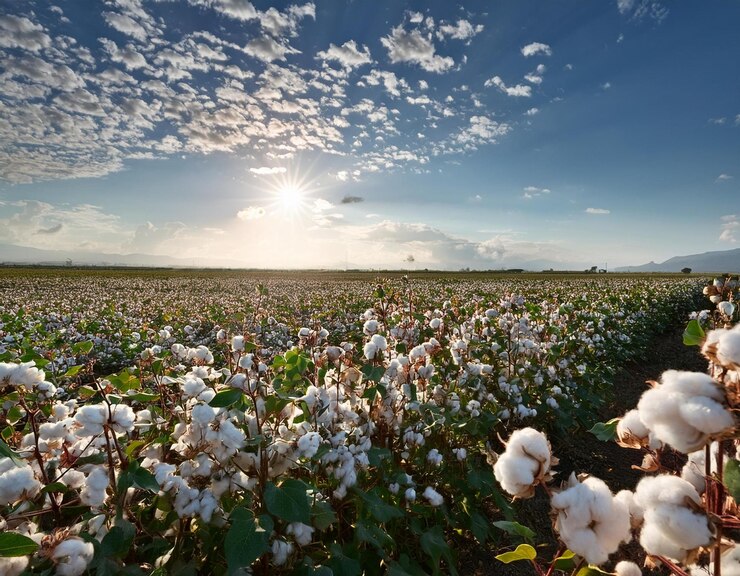
Cotton farming in South Africa offers a practical entry point into commercial crop production for new farmers who want to diversify beyond traditional grains or livestock. The crop plays an important role in the agricultural value chain because it supports textile manufacturing, creates jobs and contributes to rural economies. Beginners often see cotton as attractive because it can perform well in warm regions with the right management practices. However, success depends on understanding soil conditions, climate needs and production cycles from the start. Farmers who treat cotton as a structured business rather than a casual crop tend to achieve better yields and more stable income.
The first step in cotton farming is selecting suitable land with the correct climate and soil type. Cotton grows best in warm regions with long frost free periods and good sunlight exposure throughout the season. In South Africa, areas such as Limpopo, Mpumalanga and parts of KwaZulu Natal are commonly used for cotton production. The soil should be well drained, deep and rich in organic matter to support strong root development. Heavy clay soils or waterlogged fields reduce plant growth and increase disease risk. Beginners should also test soil fertility before planting to determine nutrient needs and pH balance.
Land preparation plays a major role in successful cotton production. Farmers must ensure that the soil is properly ploughed and leveled before planting begins. Good land preparation improves water infiltration and creates a stable seedbed for uniform germination. Many commercial farmers use conservation agriculture methods to reduce soil disturbance and protect long term soil health. Weed control during land preparation is also important because weeds compete with young cotton plants for nutrients and moisture. A clean field at planting stage improves crop establishment and reduces early stage losses.
Choosing the right seed variety is another important decision for beginners. Improved hybrid and genetically enhanced cotton varieties are widely used in South Africa because they offer better pest resistance and higher yield potential. Farmers should select seed based on local climate conditions, pest pressure and market demand. Certified seed is always recommended because it ensures better germination rates and consistent plant performance. Planting time must also be carefully planned, with most farmers sowing during warmer months when soil temperatures are stable. Proper spacing between rows and plants helps ensure healthy growth and easier field management.
Water management is critical in cotton farming, especially in regions where rainfall is unpredictable. Cotton requires consistent moisture during key growth stages such as flowering and boll development. Irrigation systems like drip or pivot irrigation are often used to improve water efficiency and reduce wastage. Farmers who rely on rainfall must monitor weather patterns closely and plan planting dates accordingly. Overwatering can damage roots and increase disease risk while underwatering reduces yield and fibre quality. Balanced water management helps ensure strong and healthy crop development.
Pest and disease control is one of the most challenging aspects of cotton farming for beginners. Common pests include bollworms, aphids and whiteflies, which can damage leaves and reduce yield potential if not managed properly. Integrated pest management practices are widely recommended because they combine biological control, chemical control and monitoring techniques. Regular field inspections help farmers identify problems early before they spread. Crop rotation and proper field hygiene also reduce pest buildup over time. Farmers who ignore pest control often experience significant yield losses.
Harvesting is a critical stage that determines the final quality of the cotton crop. Cotton is usually ready for harvest when bolls are fully open and dry, allowing the fibre to be easily collected. In commercial farming systems, mechanical pickers are often used to speed up the harvesting process and reduce labour costs. Small scale farmers may rely on manual picking, which requires careful handling to avoid contamination. Timing is important because delayed harvesting can lead to weather damage and reduced fibre quality. Clean harvesting practices improve market value and processing efficiency.
Marketing and profitability are important considerations for beginners entering cotton farming. Cotton is typically sold to ginners who process raw cotton into fibre for the textile industry. Prices can fluctuate based on global demand, quality and production levels. Farmers benefit from understanding market trends and building relationships with buyers or cooperatives. Proper grading and quality control increase the chances of securing better prices. Financial planning is also essential because input costs such as seed, fertilizer and irrigation can be high.
Cotton farming in South Africa offers strong potential for beginners who are willing to invest time in learning and proper farm management. Success depends on selecting suitable land, using quality seed, managing water effectively and controlling pests consistently. Farmers who follow structured production practices can achieve stable yields and build sustainable farming businesses. The crop also contributes to rural employment and supports downstream industries such as textile manufacturing. With careful planning and disciplined execution, cotton farming can become a reliable and profitable agricultural venture for new farmers.
Join 'Farmers Mag' WhatsApp Channel
Get the latest Farming news and tips delivered straight to your WhatsApp
CLICK HERE TO JOIN