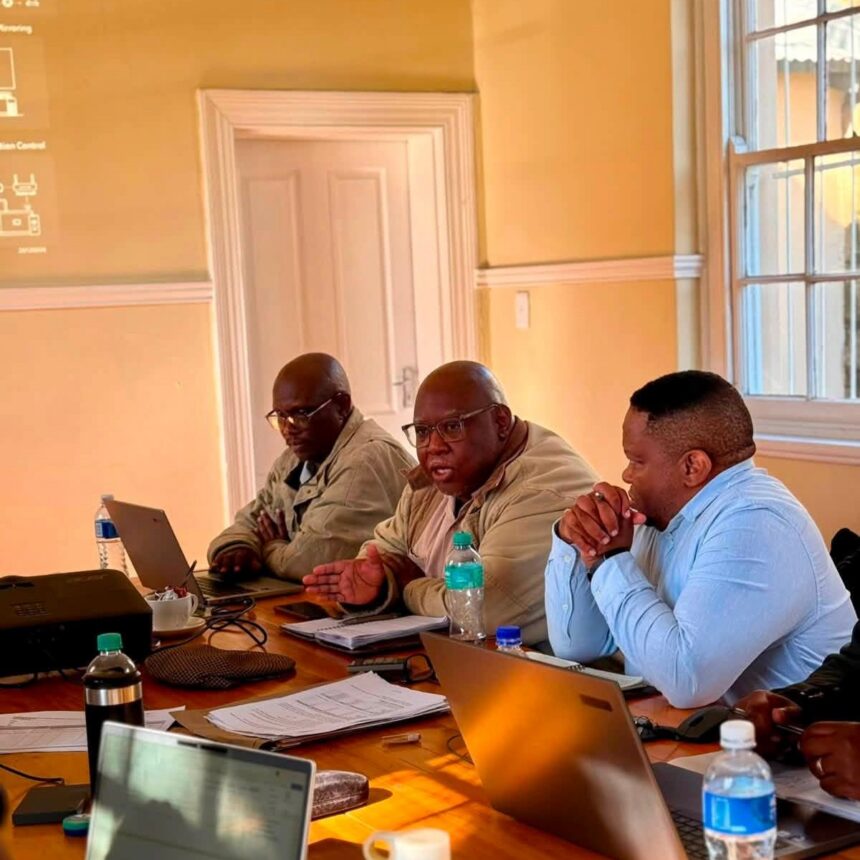
The second phase of the Conditional Grant Implementation Engagements officially continued on 2 July 2026, reinforcing the commitment to improving agricultural development and ensuring that government-funded projects deliver meaningful results. Led by Head of Department Mr. Mabilo, together with the Head Office Technical Team and District Officials, the engagements are focused on strengthening project implementation across the province. These visits provide an opportunity to assess progress, identify challenges and work directly with project teams and beneficiaries to improve outcomes. The initiative reflects a practical approach to ensuring that Conditional Grant funding is used effectively while supporting sustainable agricultural growth. By maintaining regular oversight, the department aims to ensure that funded projects remain on track and continue contributing to food production and rural development.
The implementation engagements are designed to strengthen every stage of project delivery by identifying obstacles that may affect the success of Conditional Grant-funded initiatives. Officials are closely examining operational, technical, procurement, infrastructure, financial and administrative matters that could delay implementation or reduce the effectiveness of funded projects. Addressing these issues early allows the department to develop practical solutions before they have a significant impact on agricultural production. The engagement process also creates opportunities for direct communication between government officials and project beneficiaries, making it easier to understand local challenges and respond with targeted support. This hands-on approach is intended to improve project performance while ensuring that public resources deliver maximum value.
One of the main objectives of the second phase is to strengthen coordination and collaboration between the Department of Agriculture, Rural Development and Environmental Affairs (DARDEA) Head Office, District Teams and project beneficiaries. Effective communication between these stakeholders is essential for successful project implementation because it allows information to flow more efficiently and encourages quicker decision-making. Strong partnerships also improve accountability by ensuring that everyone involved understands their responsibilities and works toward shared goals. Through these engagements, officials can monitor progress more effectively while providing technical guidance where it is needed most. Improved collaboration is expected to enhance the overall success of agricultural development programmes funded through the Conditional Grant.
Promoting accountability remains another important priority during the implementation engagements. Government-funded agricultural projects must demonstrate that financial resources are being managed responsibly and that approved activities are being completed according to plan. Officials are reviewing expenditure performance to ensure that funding is spent efficiently, transparently and in compliance with all applicable regulations. Careful financial oversight helps reduce delays, minimise waste and improve the long-term sustainability of development programmes. Ensuring proper financial management also strengthens public confidence in government initiatives aimed at supporting farmers and rural communities.
The engagements taking place in the Thaba Mofutsanyana District focus specifically on assessing progress against approved Project Implementation Plans (PIPs). These plans serve as detailed roadmaps that outline project activities, timelines and expected outcomes. By reviewing implementation against these approved plans, officials can determine whether projects are progressing according to schedule and whether adjustments are needed to improve delivery. Aligning implementation with agricultural production schedules and seasonal farming activities is particularly important because delays can affect planting, harvesting and livestock management. Maintaining this alignment helps maximise productivity while supporting food security and sustainable agricultural development across the district.
The department also recognises that successful agricultural projects depend on continuous technical support and regular monitoring. For this reason, the implementation engagements will continue in the remaining districts of Xhariep and Mangaung Metro. Extending the programme across all districts ensures that every Conditional Grant-funded project receives the same level of oversight, guidance and technical assistance. This province-wide approach promotes consistency in project management while allowing officials to identify common challenges that may require broader policy or operational improvements. It also demonstrates the department’s commitment to supporting farmers and agricultural enterprises regardless of their location.
Following the completion of all district engagements, the department will prepare a comprehensive report detailing the progress achieved across funded projects. The report will document project-specific successes, implementation challenges, solutions already introduced and recommendations for further improvement. This detailed assessment will provide valuable information that can be used to strengthen future project planning and implementation. By carefully evaluating each project’s performance, the department can identify best practices while addressing areas where additional support may be required. The reporting process also promotes transparency by providing a clear record of how Conditional Grant funding is contributing to agricultural development.
Based on the findings contained in the final report, a detailed Action Plan will be developed to guide future implementation. The Action Plan will assign responsibilities to relevant officials, establish clear implementation timeframes and outline practical steps for resolving identified challenges. This structured approach will help ensure that corrective actions are implemented promptly and that projects continue progressing toward their intended objectives. Strengthening accountability and follow-through will improve the overall effectiveness of the Conditional Grant Programme while supporting better service delivery for farming communities. As the second phase of the Conditional Grant Implementation Engagements continues across the province, the department remains focused on improving agricultural production, supporting farmers and ensuring that every funded project contributes to food security, sustainable agricultural development and long-term rural economic growth.
Join 'Farmers Mag' WhatsApp Channel
Get the latest Farming news and tips delivered straight to your WhatsApp
CLICK HERE TO JOIN