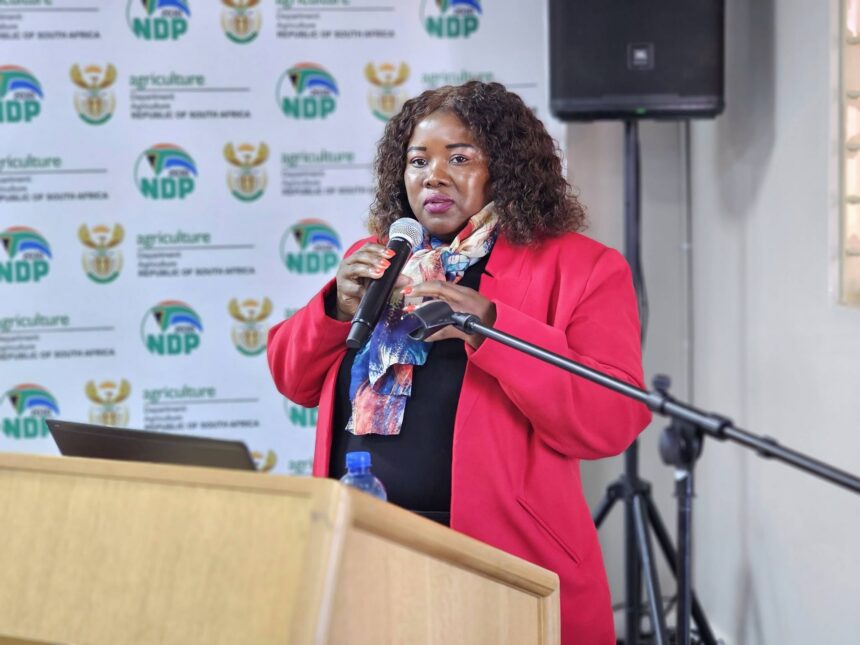
The National Department of Agriculture, in collaboration with the Agricultural Research Council (ARC) and the University of Limpopo, has launched a student symposium at the ARC VIMP Campus in Roodeplaat to help prepare the next generation of agricultural professionals. The event brings together students, academics, researchers and industry experts to discuss some of the most important issues affecting South Africa’s agricultural sector. By creating a platform for learning and collaboration, the symposium aims to expose students to real-world challenges and opportunities that extend beyond the classroom. The initiative reflects a shared commitment to developing skilled graduates who can contribute to the country’s agricultural growth and long-term food security. As agriculture continues to evolve through technology, innovation and policy reforms, such engagements are becoming increasingly important for shaping future industry leaders.
The symposium welcomes third-year students studying agriculture, economics, agribusiness, rural development and other related disciplines. Bringing together students from different academic backgrounds encourages interdisciplinary learning and allows participants to better understand how various sectors contribute to agricultural development. Agriculture today requires expertise that extends beyond farming, incorporating economic planning, business management, environmental sustainability and policy development. By engaging students from diverse fields, the symposium promotes a broader understanding of the agricultural value chain and the interconnected nature of the industry. This approach prepares graduates to work collaboratively in solving complex agricultural challenges.
One of the primary objectives of the symposium is to encourage meaningful discussions around agricultural economic issues that continue to influence South Africa’s farming sector. Participants have the opportunity to explore topics such as agricultural markets, food production, investment, rural development and the economic contribution of agriculture to national growth. Understanding these issues is essential because agriculture plays a vital role in supporting employment, food supply and export earnings. Through presentations and expert discussions, students gain valuable insights into how economic trends affect farmers, agribusinesses and consumers. This knowledge helps build a stronger foundation for future careers in agricultural economics and related professions.
Policy debates also form an important part of the symposium’s programme. Government policies influence nearly every aspect of agriculture, including land use, trade, biosecurity, environmental protection and support for emerging farmers. By exposing students to current policy discussions, the symposium encourages critical thinking about the decisions that shape the future of the sector. Participants can better understand the challenges involved in balancing economic growth, sustainability and social development within agriculture. These conversations help students appreciate the importance of informed policymaking and evidence-based decision-making in creating a resilient agricultural industry.
Innovation remains another central focus of the event as the agricultural sector continues to adopt new technologies and production methods. Advances in precision farming, biotechnology, climate-smart agriculture, digital systems and data-driven decision-making are transforming how food is produced and distributed. The symposium introduces students to these emerging trends while highlighting the importance of research and technological development in improving productivity. Students also gain exposure to innovations designed to help farmers manage climate risks, improve efficiency and increase sustainability. Understanding these developments prepares future professionals to embrace technological change and contribute to modern agricultural practices.
A key strength of the symposium is the opportunity for students to engage directly with industry experts. Researchers, policymakers, agricultural economists and experienced professionals share practical knowledge gained through years of working within the sector. These interactions allow students to ask questions, discuss career opportunities and gain a clearer understanding of the skills required in the workplace. Networking with industry leaders can also create valuable professional connections that may support future internships, research opportunities and employment. Learning directly from experienced professionals bridges the gap between academic study and real-world agricultural practice.
The collaboration between the National Department of Agriculture, the Agricultural Research Council and the University of Limpopo demonstrates the importance of partnerships in developing future agricultural talent. Each institution contributes unique expertise, creating a learning environment that combines academic knowledge, scientific research and practical industry experience. The Agricultural Research Council continues to play a leading role in advancing agricultural research and innovation, while universities provide the academic foundation needed to prepare skilled graduates. Government involvement ensures that educational initiatives remain aligned with national development priorities and the evolving needs of the agricultural sector. Working together allows these institutions to deliver a more comprehensive learning experience for students.
The symposium also highlights the importance of attracting young people to careers in agriculture at a time when the industry faces changing environmental, economic and technological challenges. Young professionals will play a critical role in developing innovative solutions that improve food production, strengthen rural economies and enhance sustainability. Encouraging students to participate in discussions about agriculture’s future helps build confidence while inspiring them to become active contributors to the sector. As graduates enter the workforce, they will bring fresh ideas, new perspectives and valuable skills that can support agricultural transformation across South Africa. Investing in student development today strengthens the country’s ability to meet future food security demands.
The student symposium at the ARC VIMP Campus in Roodeplaat represents an important investment in the future of South African agriculture. By bringing together students, researchers, government officials and industry experts, the initiative provides valuable knowledge, practical insights and professional networking opportunities that will benefit participants throughout their careers. Discussions on agricultural economics, policy, innovation and emerging opportunities equip students with the tools needed to navigate an increasingly dynamic agricultural environment. The partnership between the National Department of Agriculture, the Agricultural Research Council and the University of Limpopo demonstrates a shared commitment to developing skilled professionals who can drive progress across the sector. As these future leaders apply the knowledge gained through the symposium, they will help strengthen food security, encourage innovation and contribute to a more resilient and competitive agricultural industry in South Africa.
Join 'Farmers Mag' WhatsApp Channel
Get the latest Farming news and tips delivered straight to your WhatsApp
CLICK HERE TO JOIN