Diversifying a farm with fruit crops in South Africa is one of the most effective ways to increase income stability and reduce risk from climate or market changes. The agricultural landscape in South Africa offers a wide range of climatic zones, which allows farmers to grow different types of fruit depending on location and water availability. Regions such as Limpopo, Western Cape and parts of Mpumalanga already support large commercial fruit industries, but smaller farmers can also benefit from entering this sector. Fruit farming can provide both short term seasonal income and long term production value when managed correctly. It also helps farmers spread risk across multiple crops instead of relying on a single commodity.
Choosing the right fruit crops is the first and most important step in diversification. Farmers must consider climate, soil type, rainfall patterns and access to irrigation before planting. In warmer regions, crops such as mangoes, bananas and citrus perform well, while cooler regions support apples, pears and grapes. Indigenous and drought tolerant fruit varieties can also be explored in drier areas where water is limited. Soil testing helps determine nutrient levels and guides fertiliser use to support healthy tree development. Matching crop selection to local conditions reduces losses and improves long term productivity.
Water availability plays a major role in fruit crop success in South Africa. Many fruit trees require consistent irrigation, especially during flowering and fruit development stages. Farmers in dry areas must invest in efficient systems such as drip irrigation to reduce water loss and improve efficiency. Rainfall patterns must also be studied carefully before planting orchards because fruit trees are long term investments. Water stress can reduce fruit size, quality and yield, which directly affects profitability. Proper water planning ensures that trees remain productive throughout their lifecycle.
Soil preparation and orchard layout are critical for successful fruit production. Farmers need to clear land properly, improve soil fertility and ensure good drainage before planting trees. Proper spacing between trees allows sunlight penetration and air circulation, which reduces disease risk. Organic matter such as compost or manure can be added to improve soil structure and support root development. Planting holes must be prepared carefully to encourage strong early growth. Good orchard design also makes it easier to manage pruning, spraying and harvesting operations.
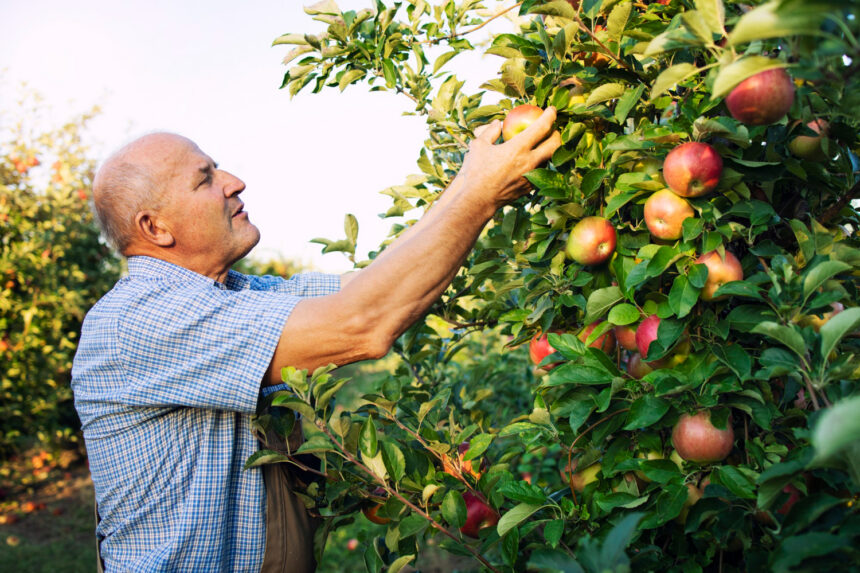
Farm management practices determine the long term success of fruit farming. Regular pruning helps shape trees, improve fruit quality and increase yield. Pest and disease control is essential because fruit crops are highly vulnerable to insects and fungal infections. Farmers must monitor orchards frequently and apply integrated pest management methods to reduce chemical dependency. Fertilisation schedules must be followed consistently to support flowering and fruit development. Labour planning is also important because fruit farming requires seasonal workers during harvesting periods.
Market access is another important factor in fruit crop diversification. Farmers must identify buyers early, including local markets, supermarkets, processors and export channels. Proper grading, packaging and storage improve market value and reduce post harvest losses. Cold storage facilities can extend shelf life and allow farmers to sell when prices are more favourable. Farmers who organise themselves into cooperatives often gain stronger bargaining power and better market access. Understanding demand trends helps farmers decide which fruit varieties are most profitable.
Fruit farming also offers opportunities for agro-processing and value addition. Products such as dried fruit, juices, jams and preserves can increase income and reduce waste from unsold fresh produce. This allows farmers to expand beyond primary production into small scale manufacturing. Value addition also creates local employment and supports rural economic development. Farmers who invest in processing equipment can stabilise income throughout the year instead of relying only on harvest seasons. This strengthens overall farm resilience and financial security.
Diversifying with fruit crops in South Africa provides a practical pathway to stronger and more sustainable farming systems. It allows farmers to spread risk, increase income sources and improve land use efficiency. Success depends on careful planning, correct crop selection and strong farm management practices. Water management, soil preparation and market access all play a critical role in long term outcomes. When farmers integrate fruit production into their operations, they build more resilient agricultural businesses that support food security and rural development across the country.
Join 'Farmers Mag' WhatsApp Channel
Get the latest Farming news and tips delivered straight to your WhatsApp
CLICK HERE TO JOIN