

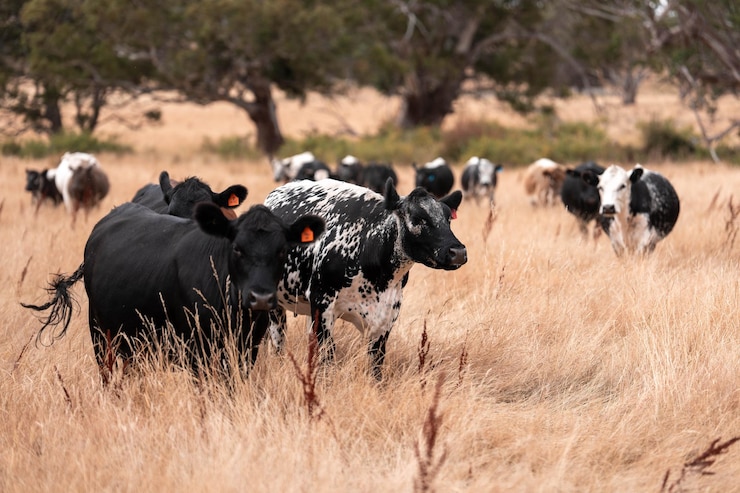
Indigenous livestock breeds play a vital role in South Africa’s agricultural heritage and rural economy. These animals have adapted over many generations to local climates, landscapes and farming conditions. Their resilience makes them highly valuable in both small scale and commercial farming systems. Farmers rely on them not only for production but also for cultural identity and long term sustainability. Preserving these breeds supports food security, biodiversity and rural livelihoods across the country.
Indigenous breeds are known for their natural resistance to harsh environmental conditions. They tolerate heat, drought and variable grazing conditions better than many imported breeds. This reduces the need for expensive feed, veterinary care and intensive management systems. Farmers benefit from lower input costs and more stable production in unpredictable weather patterns. These traits make indigenous breeds especially important in regions affected by climate change and limited water resources. Their adaptability ensures that livestock farming remains viable in marginal farming areas.
South Africa is home to several important indigenous livestock breeds that continue to support farming communities. One of the most well known is the Nguni cattle, valued for its hardiness, fertility and disease resistance. Another important breed is the Afrikaner cattle, which has been widely used in beef production due to its strength and adaptability. In small stock farming, the Boer goat stands out for its meat quality and ability to thrive in dry conditions. Indigenous sheep breeds such as the Dorper also contribute significantly to wool and meat production systems. These breeds represent a living link between traditional farming knowledge and modern agricultural practices.
The preservation of indigenous breeds is closely linked to genetic diversity and long term agricultural resilience. When farmers rely too heavily on a narrow range of commercial breeds, they increase vulnerability to disease outbreaks and climate shocks. Indigenous breeds offer a genetic pool that can be used for future breeding improvements and adaptation strategies. However, these breeds face pressure from commercialisation, crossbreeding and loss of traditional grazing systems. Without proper conservation efforts, some of these valuable genetic resources could decline over time. Protecting them ensures that future generations of farmers have access to diverse and resilient livestock options.
Efforts to conserve indigenous breeds include breeding programmes, farmer education and government support initiatives. Research institutions and agricultural departments are working with rural communities to promote sustainable breeding practices. Farmers are encouraged to maintain pure breeding lines while improving herd performance through selective breeding. Market development also plays a role by increasing demand for products derived from indigenous livestock. This creates economic incentives for farmers to continue raising and protecting these breeds. Education and awareness are essential to ensure that younger generations understand their value.
Preserving indigenous livestock breeds in South Africa is essential for maintaining agricultural sustainability, cultural heritage and rural development. These animals are not only part of farming systems but also part of national identity and history. Their ability to thrive under difficult conditions makes them critical in a changing climate. Continued investment in conservation, research and farmer support will ensure their survival and productivity. By protecting indigenous breeds, South Africa strengthens its agricultural future while honouring the legacy of its farming traditions.
Join 'Farmers Mag' WhatsApp Channel
Get the latest Farming news and tips delivered straight to your WhatsApp
CLICK HERE TO JOIN




