Canning and preserving fruit and vegetables remains one of the most practical ways for households and small-scale farmers in South Africa to reduce food waste, extend shelf life, and improve food security. Seasonal harvests often produce more food than can be consumed or sold immediately, especially for crops like tomatoes, peaches, beans, mangoes, and spinach. Without proper preservation methods, much of this produce spoils within days or weeks, leading to financial losses and reduced food availability during lean seasons. Canning and preserving allow you to store surplus produce safely for months or even years while maintaining nutritional value and flavour. This practice is especially valuable in rural and farming communities where access to refrigeration may be limited or unreliable.
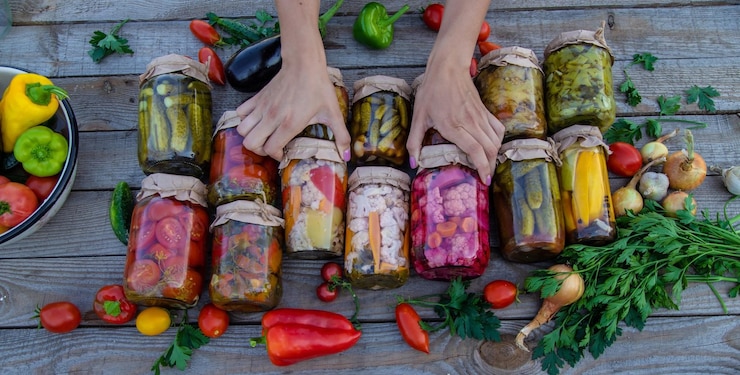
Canning works by placing food in sealed containers and applying heat to destroy harmful microorganisms that cause spoilage. Once sealed correctly, the food becomes shelf-stable and safe to store without refrigeration. In South Africa, both water bath canning and pressure canning methods are used, depending on the type of food being preserved. High-acid foods such as tomatoes, peaches, and jams can be safely processed using water bath canning, while low-acid foods like green beans, carrots, and meats require pressure canning to eliminate bacterial risks. Proper sterilisation of jars, lids, and utensils is essential before starting the process to prevent contamination.
Vegetable and fruit selection plays a major role in successful preservation outcomes. You should always use fresh, ripe, and undamaged produce because quality at the start determines quality at the end. Overripe or bruised fruits may lead to poor texture and spoilage during storage. In South Africa’s warm climate, harvesting early in the morning and processing immediately helps maintain freshness and nutrient levels. Washing, peeling, chopping, and pre-cooking steps must be done carefully to prepare food for safe canning. Each step should follow hygienic practices to ensure food safety throughout the preservation process.
Sugar, salt, vinegar, and lemon juice are commonly used in preserving fruit and vegetable products. These ingredients help control acidity levels, enhance flavour, and support long-term storage stability. For example, vinegar is often used in pickling vegetables such as cucumbers, onions, and beetroot, while sugar syrups are used for fruit like peaches and guavas. Salt helps draw out moisture in vegetables and contributes to texture preservation. However, it is important to follow tested recipes because incorrect ingredient ratios can compromise food safety and increase the risk of spoilage or contamination.
In South Africa, many households combine traditional preservation methods with modern canning techniques. Drying, fermenting, and pickling are widely used alongside jar-based canning to extend food availability throughout the year. Sun-drying tomatoes, mango slices, and herbs remains common in rural areas where electricity access may be limited. Fermentation methods, such as making sour vegetables, also provide nutritional benefits while preserving food naturally. These traditional methods complement canning and provide additional options for households to manage seasonal harvest surpluses effectively.
Storage conditions after canning are just as important as the preservation process itself. Properly sealed jars should be stored in a cool, dark, and dry place to maintain quality and prevent spoilage. Direct sunlight and high temperatures can weaken seals and reduce shelf life. It is also important to label each jar with the contents and date of preservation to track freshness and ensure safe consumption timelines. Regular inspection of stored jars helps identify any signs of leakage, bulging lids, or unusual smells, which indicate possible spoilage.
Canning and preserving also offer important economic opportunities for small-scale farmers and home-based entrepreneurs in South Africa. Preserved fruit and vegetable products can be sold in local markets, community stores, and niche food outlets, especially in urban areas where demand for organic and homemade products is increasing. Value-added products such as jams, pickles, sauces, and dried fruit often generate higher income than raw produce sales. This helps farmers diversify income streams and reduce dependence on seasonal market fluctuations. With proper packaging and branding, preserved foods can become a sustainable small business opportunity.
Food safety remains the most critical factor in any preservation process. Botulism and other foodborne illnesses can occur if low-acid foods are not processed correctly. This is why pressure canning is essential for certain vegetables and why guidelines must be followed strictly. Clean working surfaces, sterilised equipment, and accurate processing times all contribute to safe outcomes. Training and access to reliable information are important for anyone interested in home canning or small-scale processing. Agricultural extension services and community workshops often provide useful guidance for beginners.
Canning and preserving your fruit and vegetable harvest in South Africa offers a practical solution to seasonal food challenges while supporting nutrition, income generation, and food security. By using safe methods, selecting quality produce, and following proper storage practices, you can significantly extend the life of your harvest. These techniques help reduce waste and ensure that surplus produce is used effectively throughout the year. They also create opportunities for small-scale agribusiness development in both rural and urban settings. With consistent practice and attention to safety, food preservation becomes a reliable tool for building household resilience and strengthening local food systems.
Join 'Farmers Mag' WhatsApp Channel
Get the latest Farming news and tips delivered straight to your WhatsApp
CLICK HERE TO JOIN