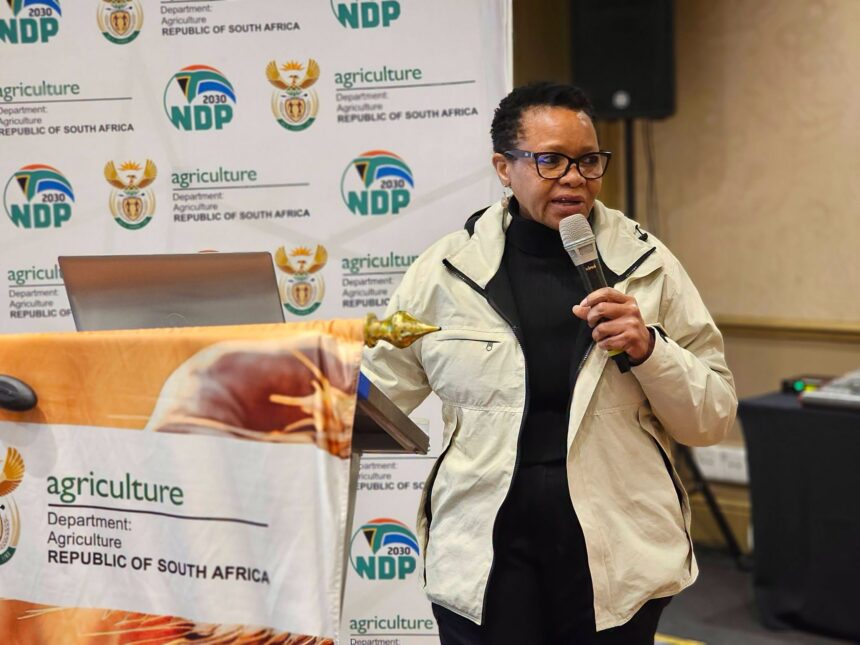
The National Department of Agriculture is currently hosting a Strategic Risk Management Workshop aimed at improving how the department identifies, assesses, and responds to risks that could affect its mandate. The workshop forms part of ongoing efforts to strengthen governance systems and ensure that agricultural programmes are implemented effectively across South Africa. By focusing on structured risk management, the department is reinforcing its commitment to accountability, transparency, and improved service delivery. The session brings together senior leadership and key stakeholders who play a direct role in shaping operational and strategic decisions. This engagement reflects a growing emphasis on proactive planning within the public sector.
The main purpose of the workshop is to plan, facilitate, and document a comprehensive Risk Management Strategy that can guide departmental operations. Risk management in this context refers to the systematic process of identifying potential challenges, evaluating their impact, and developing measures to reduce or eliminate their effects. The department aims to strengthen internal control systems that support efficient decision-making and protect resources. These systems are essential for ensuring that public funds are used effectively and that programmes deliver intended outcomes. By formalising these processes, the department improves its ability to anticipate and respond to both internal and external risks.
A key focus of the workshop is the identification and assessment of strategic risks that may impact the achievement of departmental objectives. These risks may include financial constraints, operational inefficiencies, climate-related disruptions, policy implementation challenges, and capacity limitations within agricultural programmes. Participants are working through structured methodologies to evaluate the likelihood and severity of these risks. This process allows the department to prioritise areas that require immediate attention and allocate resources more effectively. The outcome is expected to support stronger planning and reduce uncertainty in programme delivery.
Leadership and stakeholders attending the workshop are contributing valuable insights drawn from their respective areas of expertise. This collaborative approach ensures that risk identification is not limited to a single perspective but reflects the complexity of the agricultural sector. Senior officials are engaging with technical experts to better understand how risks affect different programmes and regions. The involvement of multiple stakeholders also strengthens coordination between different units within the department. This shared responsibility approach is critical for building a unified and responsive risk management framework.
The workshop also places strong emphasis on strengthening transparent systems of internal control. Internal controls are processes and procedures designed to ensure that operations run smoothly, risks are managed effectively, and compliance requirements are met. By improving these systems, the department aims to reduce inefficiencies and enhance oversight across all levels of operation. Transparent controls also help build public trust by ensuring that decision-making processes are open and accountable. This is particularly important in a sector like agriculture, which directly impacts food security and rural livelihoods.
Another important aspect of the workshop is the development of strategic foresight within the department. Strategic foresight involves anticipating future trends and challenges that may affect agriculture in South Africa. This includes monitoring climate variability, technological advancements, market shifts, and socio-economic pressures affecting farmers and rural communities. By incorporating foresight into risk management, the department can better prepare for long-term challenges rather than reacting to problems as they arise. This forward-looking approach strengthens resilience and improves policy effectiveness over time.
The discussions taking place during the workshop also support improved governance and accountability across the department. Good governance requires clear systems of responsibility, consistent monitoring, and effective communication between different levels of leadership. Through structured risk management processes, the department can ensure that performance is regularly assessed and that corrective actions are taken when needed. Accountability mechanisms help ensure that strategic objectives are met and that public resources are managed responsibly. These elements are essential for maintaining confidence in government institutions.
The Strategic Risk Management Workshop is also aligned with broader national priorities for improving public sector performance. Agriculture remains a critical sector for economic growth, job creation, and food security in South Africa. Any disruptions or inefficiencies within the department can have far-reaching consequences for farmers, consumers, and rural communities. By strengthening risk management systems, the department enhances its ability to support agricultural development programmes effectively. This contributes to a more stable and productive agricultural environment.
As the workshop continues, the outcomes are expected to inform the department’s future Risk Management Strategy and operational frameworks. The documentation produced will guide how risks are managed across various programmes and divisions. It will also support continuous improvement by establishing clear benchmarks and monitoring tools. These efforts ensure that the department remains responsive to emerging challenges while maintaining focus on its strategic goals. The process reflects a commitment to evidence-based decision-making and institutional strengthening.
The Strategic Risk Management Workshop represents an important step in reinforcing the National Department of Agriculture’s capacity to deliver on its mandate. By bringing together leadership, technical experts, and stakeholders, the department is building a more coordinated and proactive approach to managing risks. The focus on governance, transparency, and foresight ensures that agricultural programmes are better positioned to succeed in a complex and changing environment. As South Africa continues to prioritize food security and rural development, strengthened risk management systems will play a vital role in achieving long-term agricultural sustainability and growth.
Join 'Farmers Mag' WhatsApp Channel
Get the latest Farming news and tips delivered straight to your WhatsApp
CLICK HERE TO JOIN