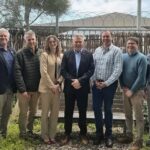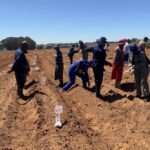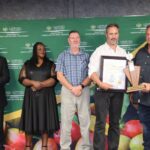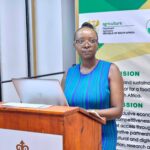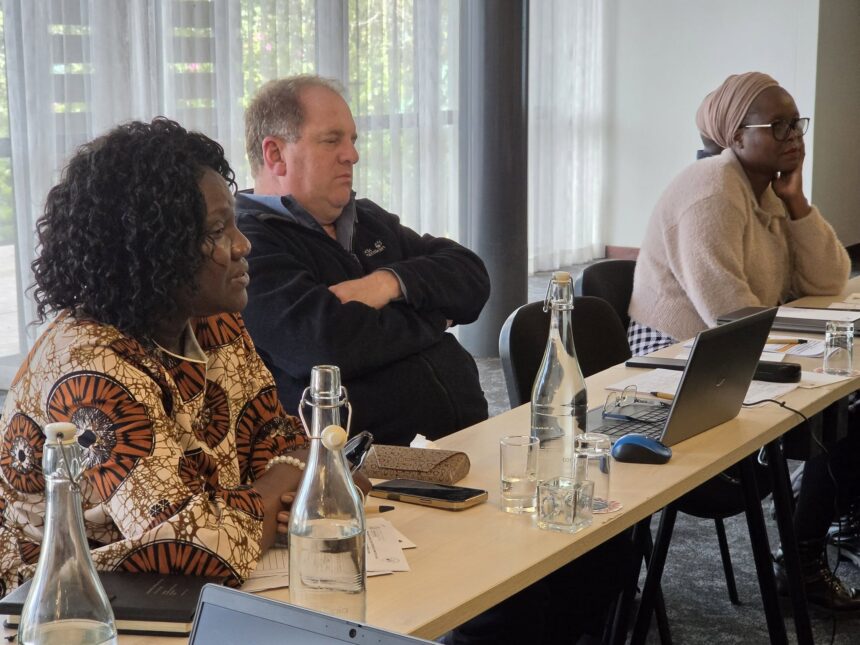
Experts from across South Africa’s agricultural science and policy landscape have gathered in Graskop for a two-day Mpumalanga Agricultural Research Committee (MARC) meeting focused on evaluating research projects for the 2026/27 financial year. The committee brings together specialists who play a critical role in shaping agricultural innovation and ensuring that research outcomes translate into practical solutions for farmers. The meeting forms part of a structured process to assess, refine, and approve projects that will guide agricultural development in the province. Researchers present proposals covering a wide range of focus areas, including crop production, animal production, and aquaculture. The overarching goal is to ensure that research directly supports food security and improves productivity at farm level.
The research projects under review are designed with small-scale farmers in mind, as they remain the primary end-users of the findings. These farmers often face challenges such as limited access to technology, climate variability, and market constraints that affect production levels. By focusing on practical and applied research, MARC aims to bridge the gap between scientific innovation and real-world farming conditions. The outcomes of these projects are expected to provide improved production techniques, better resource management strategies, and enhanced resilience against agricultural risks. This approach ensures that research investments deliver measurable benefits to rural communities and emerging farmers.
During the Graskop meeting, Mpumalanga-based researchers present their project proposals in detail to the committee for evaluation. These presentations are followed by rigorous engagement sessions where committee members interrogate methodologies, expected outcomes, and practical relevance. The discussions are designed to strengthen the quality of research by identifying gaps, improving study designs, and ensuring alignment with provincial agricultural priorities. In some cases, projects are deferred for further refinement before approval is granted. This careful review process helps maintain high scientific standards while ensuring that approved projects remain relevant and impactful.
The Mpumalanga Agricultural Research Committee is composed of a diverse group of experts from key institutions within the agricultural and statistical sectors. Members include representatives from the Agricultural Research Council, the national Department of Agriculture, Rural Development, Land and Environmental Affairs, the University of Mpumalanga, Statistics South Africa, and the provincial department. This multidisciplinary composition ensures that research proposals are assessed from scientific, policy, economic, and developmental perspectives. The inclusion of different institutions also strengthens coordination across the agricultural research ecosystem. It allows for more comprehensive decision-making that reflects both national priorities and provincial development needs.
Research areas covered in the 2026/27 proposals are broad and reflect the diverse needs of Mpumalanga’s agricultural sector. Crop production studies focus on improving yields, soil health, pest management, and climate resilience for staple and commercial crops. Animal production research addresses livestock health, breeding efficiency, and sustainable grazing systems. Aquaculture projects explore opportunities for fish farming as an alternative and supplementary source of protein and income in rural communities. These varied research streams are designed to support a more diversified and resilient agricultural economy in the province.
A key emphasis of the MARC meeting is ensuring that research outputs are practical and can be implemented by farmers at different scales of production. Many small-scale farmers require solutions that are affordable, easy to adopt, and suitable for local environmental conditions. The committee therefore prioritizes projects that demonstrate clear pathways from research findings to on-farm application. This includes extension-friendly approaches, training components, and technologies that can be transferred through existing agricultural support systems. The ultimate aim is to improve productivity while reducing risks and inefficiencies in farming operations.
Food security remains a central driver of the research agenda under review in Graskop. Mpumalanga, like many regions, faces increasing pressure from climate change, land degradation, and population growth, all of which affect agricultural output. By investing in targeted research, MARC seeks to support farmers in producing more food with fewer resources while maintaining environmental sustainability. The expected outcomes of the approved projects include improved crop varieties, better livestock management practices, and more efficient water use strategies. These contributions are essential for strengthening both household and national food systems.
The evaluation process also plays an important role in maintaining the integrity and accountability of public research funding. Each project is assessed not only for its scientific merit but also for its relevance to provincial development goals. This ensures that resources are allocated to studies that deliver tangible benefits rather than purely theoretical outcomes. The committee’s structured review system helps prevent duplication of research efforts and encourages collaboration among institutions. It also strengthens transparency in how agricultural research priorities are set and funded.
The MARC meeting in Graskop highlights the importance of collaboration between government, academia, and research institutions in driving agricultural transformation. By bringing together experts from different disciplines, the committee ensures that research is both scientifically sound and practically relevant. The engagement between researchers and committee members fosters continuous improvement in project design and implementation strategies. As the 2026/27 research proposals move through the approval process, they are expected to shape the future of agricultural development in Mpumalanga. The work done during this meeting will ultimately contribute to stronger food security, improved farming systems, and more resilient rural economies across the province.
Join 'Farmers Mag' WhatsApp Channel
Get the latest Farming news and tips delivered straight to your WhatsApp
CLICK HERE TO JOIN