Winter livestock survival in depends heavily on reliable fodder production systems that bridge the feed gap caused by dry, cold months. During winter, natural grazing quality drops sharply, especially in highveld and inland regions where frost reduces pasture growth. Farmers who fail to plan for this period often face weight loss in cattle, reduced milk production, and higher mortality rates in severe cases. Fodder production provides a controlled way to secure feed reserves before winter begins, ensuring livestock maintain productivity and health. It also stabilizes feed costs when market prices for commercial feed increase. A well planned fodder system becomes a critical risk management tool for both small scale and commercial farmers.
Successful winter fodder production starts with understanding crop selection and seasonal timing. Common fodder crops include maize for silage, sorghum, oats, barley, rye, and lucerne, each offering different nutritional benefits and growth patterns. Maize silage remains one of the most widely used options because it provides high energy content and stores well when properly fermented. Oats and rye perform better in cooler conditions and can extend grazing availability into late winter. Lucerne provides high protein content and can be cut multiple times if managed correctly under irrigation. Farmers must match crop choice to soil type, rainfall patterns, and available irrigation systems to maximize yield and quality.
Timing plays a central role in fodder production because winter feed must be ready before pasture decline begins. Planting usually takes place in late summer or early autumn, depending on the region, to allow crops to reach peak biomass before frost sets in. Delayed planting reduces yield and lowers nutritional quality, which directly affects livestock performance. Harvest timing is equally important, especially for silage crops that must be cut at the correct moisture content to ensure proper fermentation. Farmers who harvest too early lose energy density, while late harvesting reduces digestibility. Careful scheduling ensures that fodder reserves meet the full duration of winter feeding needs.
Soil preparation and nutrient management determine how productive fodder crops will be throughout the season. Most fodder crops require well drained soils with good organic matter content to support fast growth. Fertilizer application, especially nitrogen and phosphorus, is essential for maximizing biomass production and protein content. Soil testing helps farmers apply the correct nutrient balance and avoid unnecessary input costs. Irrigation systems such as center pivots, drip lines, or flood irrigation improve reliability in areas with inconsistent rainfall. In drier regions, irrigation becomes the difference between successful fodder production and crop failure. Weed control is also critical because weeds compete directly with fodder crops for nutrients and water.
Storage methods define how effectively fodder can be preserved for winter use. Silage pits, bunker silos, and wrapped bale systems are commonly used to store fermented fodder. Proper compaction and airtight sealing are required to prevent spoilage and maintain nutritional value. Hay production, which involves drying and baling grass or legumes, requires dry weather conditions and careful handling to avoid mold growth. Farmers must monitor moisture levels closely during storage because excess moisture leads to fermentation failure and feed losses. Well stored fodder can last several months, making it a reliable winter feed source when natural grazing is unavailable.
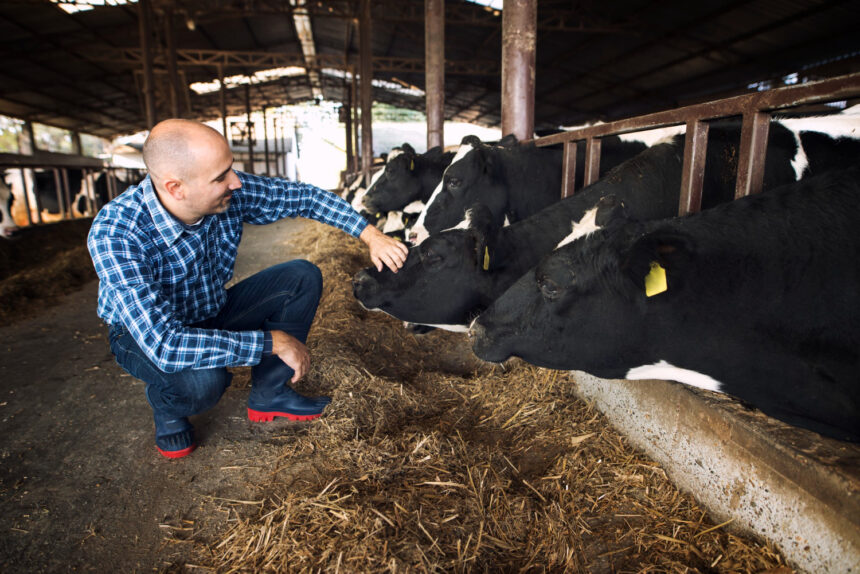
Livestock management strategies must align with fodder availability to ensure efficient feed use. Farmers typically calculate daily feed requirements based on animal weight, production stage, and species. Cattle, sheep, and goats all have different nutritional needs that must be met through balanced fodder rations. Supplementation with mineral licks or concentrates may be necessary when fodder alone does not meet protein or energy requirements. Controlled feeding systems help reduce waste and ensure even distribution across herds. Monitoring body condition scores during winter allows farmers to adjust feeding plans before animals lose significant weight.
Water access remains a critical component of winter feeding systems because dry feed increases water demand in livestock. Clean and consistent water supply improves digestion and feed utilization efficiency. Farmers often underestimate water requirements during winter, but livestock still consume significant volumes even in cold conditions. Water trough maintenance and placement near feeding areas reduce stress and improve intake. Without reliable water access, even high quality fodder cannot sustain animal health effectively.
A well structured fodder production system transforms winter from a high risk season into a manageable phase of livestock farming. Farmers who plan early, select appropriate crops, and invest in proper storage methods achieve better productivity and lower feed costs. The integration of soil management, irrigation, and livestock nutrition ensures a balanced and sustainable approach to winter feeding. Fodder production also strengthens long term farm resilience by reducing dependence on expensive commercial feed markets. In many regions of South Africa, it forms the backbone of successful cattle and sheep operations during cold months. Strong planning and consistent execution turn fodder into a strategic asset rather than a seasonal challenge.
Join 'Farmers Mag' WhatsApp Channel
Get the latest Farming news and tips delivered straight to your WhatsApp
CLICK HERE TO JOIN