The growth of sugarcane farming in South Africa depends on clear production thresholds and strong business discipline, especially for farmers moving from small-scale to commercial operations. According to the South African Sugar Association, small-scale growers deliver less than 1 800 tons of sugarcane to a mill, while commercial growers deliver more than 5 000 tons, with medium-scale farmers falling in between these levels. This classification reflects more than output, it defines access to markets, financing, and long-term sustainability in the industry. The Mthethwa family has become a leading example of how farmers can transition across these categories through persistence, planning, and institutional support. Their recent acquisition of a 374 hectare commercial sugarcane farm near Wartburg in the KwaZulu-Natal Midlands marks a major milestone in their agricultural journey. Their story shows how structured support systems and family determination can reshape rural farming into a commercial enterprise.
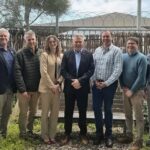
The transition from small-scale to commercial sugarcane production is not a simple upgrade, it requires technical knowledge, financial discipline, and operational capacity. Farmers must understand crop cycles, mill delivery requirements, labour management, and cash flow planning to succeed at scale. The Mthethwa family’s expansion reflects this complexity, as they moved from smaller landholdings into a large commercial operation that demands consistent production output. Their journey was supported by SA Canegrowers, which provided business advisory services and helped structure the acquisition process. Regional manager Soren Bruce and agricultural advisor Dumisani Magubane worked closely with the family to develop a business plan and cash flow projections. This structured support helped the family meet financial requirements and secure approval from the Land Bank.
Access to finance played a key role in enabling the Mthethwa family’s expansion into commercial sugarcane farming. With assistance from SA Canegrowers, the family successfully negotiated the farm purchase and secured a Land Bank loan that included working capital for the 2023 and 2024 harvest seasons. This funding support allowed them to manage early operational costs, which are often high in large scale farming operations. Without this financial backing, the transition would have placed extreme pressure on production continuity and staff wages. The involvement of advisory services ensured that the farm purchase was backed by realistic financial planning rather than speculation. This approach highlights the importance of structured agricultural finance in supporting emerging commercial farmers.
The first production year on the newly acquired farm presented serious operational challenges for the Mthethwa family. Due to mill disruptions during the 2022 and 2023 season, the farm carried over approximately 140 hectares of cane into the new cycle. This resulted in quality issues during harvest, where around 700 tons of sugarcane from a total of 8 590 tons delivered were rejected by the mill due to age and reduced processing quality. These losses created financial strain at a critical time when loan repayments, staff salaries, and input costs had to be managed simultaneously. Despite these setbacks, the family continued operations without scaling back their long-term goals. Their response demonstrated resilience and a commitment to stabilizing production rather than retreating from expansion.
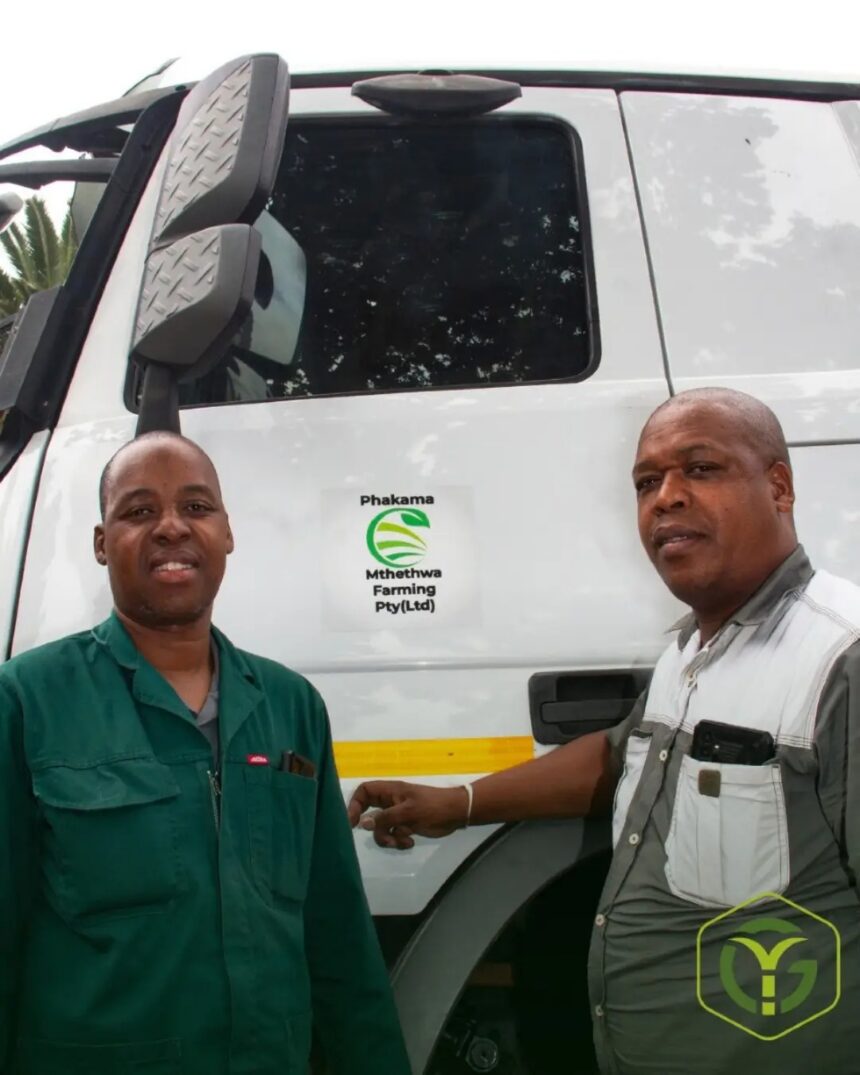
Operational improvements became a priority as the Mthethwa family worked to strengthen efficiency and future output. They invested in two 30 ton trucks to improve transport logistics between the farm and the mill, reducing reliance on external transport services. They also implemented seedcane planting strategies to improve crop quality and ensure healthier future yields. These changes reflect a shift toward long-term planning and productivity improvement rather than short-term survival. The farm also retained 11 permanent workers from the previous ownership, ensuring continuity of skills and employment stability. An additional 28 seasonal workers were employed during the transition period, expanding the farm’s contribution to local job creation.
The roots of Mthethwa Farming date back to the 1960s, when the family operated as a timber contracting business in the Richmond and Eston regions of KwaZulu-Natal. Over time, the family built capital and developed a long-term goal of owning a sugarcane farm. Despite facing major setbacks in the early 1990s when political unrest led to the destruction of their business by fire, the family rebuilt from the ground up. In 2005, they were able to purchase their first 36 hectare farm in Cramond near Albert Falls, marking their entry into sugarcane production. This gradual expansion laid the foundation for their eventual move into large scale commercial farming.
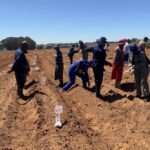
Community support and agricultural mentorship played a key role in the family’s early success. Neighboring commercial farmer Lloyd Harries provided technical guidance during the establishment of their first sugarcane fields. His support included assistance with seedcane delivery, herbicide calibration, and general farm setup practices. This mentorship helped the Mthethwa family build practical farming knowledge while developing their own operational systems. Harries described their approach as highly committed, noting their willingness to learn and adopt best agricultural practices. This early knowledge transfer strengthened their ability to scale operations in later years.
Today, the Mthethwa family is focused on stabilizing and expanding their commercial sugarcane enterprise. Their priority is to bring the newly acquired farm to full production capacity while managing debt obligations and improving efficiency. Once financial stability is achieved, they plan to explore further expansion opportunities in the sugarcane sector. SA Canegrowers continues to support their development, emphasizing the importance of sustainable growth and long-term planning. Regional manager Soren Bruce has described their journey as an inspirational example of what structured support and determination can achieve. The family’s progress highlights how South African agriculture can evolve when experience, finance, and advisory services align effectively.
Join 'Farmers Mag' WhatsApp Channel
Get the latest Farming news and tips delivered straight to your WhatsApp
CLICK HERE TO JOIN