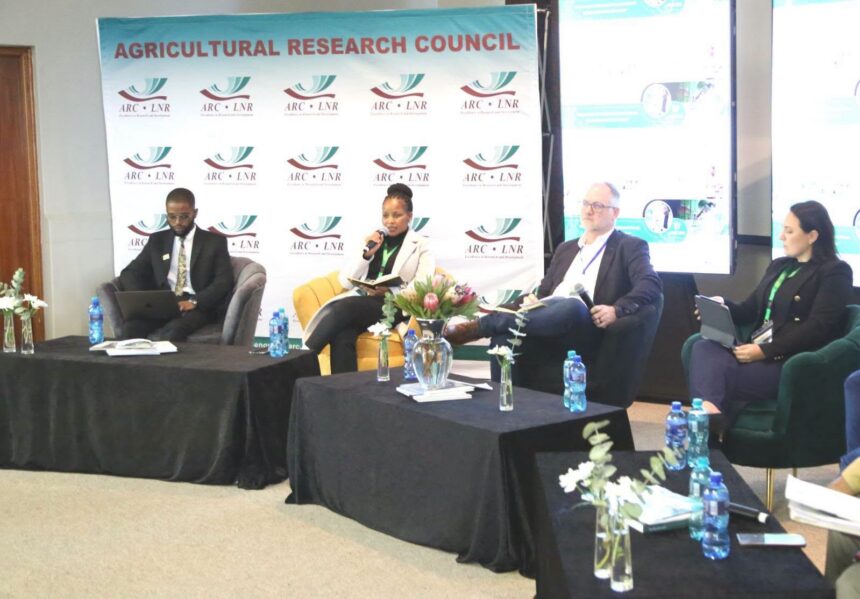
The future of South Africa’s agricultural sector depends heavily on the active participation of young people. As the industry faces challenges such as an ageing farming population, climate change, technological transformation, and increasing food demand, the need to attract and empower youth has become more important than ever. This reality was at the center of the recent Roundtable Discussion with Youth in Agriculture and Captains of Industry on Youth Empowerment. The event created a valuable platform where young agricultural entrepreneurs, government representatives, and industry leaders came together to exchange ideas and identify practical solutions for strengthening youth participation in agriculture. Through open dialogue and collaboration, the discussion reinforced the importance of investing in young people as key drivers of innovation, sustainability, and economic growth.
The roundtable sparked meaningful and solution-driven conversations that focused on the opportunities and challenges facing young people in the agricultural sector. Participants engaged in honest discussions about the obstacles that continue to prevent many young South Africans from entering or thriving in agriculture. Limited access to land, financing, mentorship, training, and market opportunities were identified as some of the major barriers affecting youth participation. Many young entrepreneurs have the passion and ambition to succeed but often struggle to secure the resources needed to grow their businesses. By creating a space for these concerns to be raised and addressed, the discussion helped bring greater attention to the practical interventions required to support the next generation of agricultural leaders.
One of the most significant outcomes of the event was the exploration of practical opportunities for youth empowerment within the agricultural value chain. Agriculture today extends far beyond traditional farming and offers opportunities in agribusiness, food processing, logistics, technology, research, and agricultural services. Participants discussed how young people can benefit from these diverse opportunities through targeted skills development programmes, entrepreneurship support, and access to modern agricultural technologies. The growing use of digital tools, precision farming techniques, and innovative production methods presents new possibilities for young entrepreneurs to build successful and competitive businesses. These opportunities demonstrate that agriculture can be a dynamic and rewarding career path for young people seeking to contribute to economic development while creating sustainable livelihoods.
The panel discussions generated strong engagement as participants examined the critical role that industry can play in empowering young people. Private sector involvement is essential in helping young agricultural entrepreneurs gain access to markets, finance, training, and business networks. Industry leaders shared insights on how businesses can support youth through mentorship programmes, supplier development initiatives, internship opportunities, and investment partnerships. Such support can help bridge the gap between ambition and achievement by providing practical pathways for young people to establish themselves in the sector. The discussions highlighted that meaningful empowerment requires more than policy commitments alone and depends on active participation from businesses across the agricultural value chain.
The event also reinforced the importance of Public-Private Partnerships in driving agricultural transformation and youth development. Collaboration between government institutions, private companies, educational institutions, and young entrepreneurs creates a stronger foundation for sustainable growth. Government plays a crucial role in creating enabling policies and support programmes, while industry contributes expertise, resources, and market access. Young entrepreneurs bring innovation, fresh perspectives, and a willingness to embrace new technologies and business models. By working together, these stakeholders can create an environment where young people have the tools and opportunities needed to succeed in agriculture and contribute meaningfully to the economy.
Innovation emerged as a recurring theme throughout the discussions, reflecting the growing importance of technology and modern business practices in agriculture. Young people are often well positioned to adopt and implement innovative solutions that improve productivity, efficiency, and sustainability. From digital farming platforms and smart irrigation systems to data-driven decision-making and climate-resilient production methods, innovation is reshaping the agricultural landscape. Participants emphasized that empowering youth means providing access to the knowledge, infrastructure, and resources necessary to harness these innovations effectively. Encouraging young people to become leaders in agricultural innovation will not only strengthen individual businesses but also enhance the competitiveness of the entire sector.
Employment creation was another major focus of the roundtable discussions. Agriculture remains one of the sectors with significant potential to generate jobs, particularly in rural communities where economic opportunities are often limited. Supporting young entrepreneurs can create a multiplier effect as successful agricultural enterprises expand and employ additional workers. Participants discussed the importance of creating sustainable employment opportunities that provide long-term economic benefits rather than short-term solutions. By supporting youth-owned agricultural businesses and encouraging investment in the sector, South Africa can address unemployment challenges while promoting inclusive economic growth.
The discussions also highlighted the connection between youth empowerment and food security. South Africa’s ability to maintain a stable and productive agricultural sector depends on attracting and retaining a new generation of farmers, agribusiness owners, and agricultural professionals. As experienced farmers retire, young people will play an increasingly important role in ensuring continued food production and supply. Investing in youth today helps secure the skills, innovation, and leadership needed to meet future food demands. Participants agreed that empowering young people is not simply about creating opportunities for individuals but about strengthening the long-term resilience of the country’s food systems.
The Roundtable Discussion with Youth in Agriculture and Captains of Industry on Youth Empowerment demonstrated the value of collaboration, dialogue, and shared commitment to building a stronger agricultural sector. Through meaningful conversations, participants identified challenges, explored practical solutions, and reaffirmed the importance of partnerships in creating opportunities for young people. The event highlighted the essential role that government, industry leaders, and young entrepreneurs must play in driving innovation, creating employment, and expanding access to resources and markets. Most importantly, it reinforced the understanding that empowering youth is a strategic investment in South Africa’s agricultural future. By supporting the next generation of agricultural leaders, the country can strengthen food security, stimulate economic growth, and build a more inclusive and sustainable agricultural economy for years to come.
Join 'Farmers Mag' WhatsApp Channel
Get the latest Farming news and tips delivered straight to your WhatsApp
CLICK HERE TO JOIN