Networking with farmers across the Southern African Development Community plays a critical role in building stronger, more resilient agricultural systems in the region. The Southern African Development Community brings together multiple countries with shared challenges in food security, climate variability, and rural development. Farmers within this region operate under diverse conditions, yet they often face similar pressures such as drought, limited market access, and rising input costs. By strengthening networks among them, knowledge sharing becomes more practical and solutions become more regionally relevant. This kind of collaboration supports both smallholder and commercial farmers in improving productivity and sustainability.
The Southern African Development Community, commonly known as Southern African Development Community, provides a structured platform for cooperation between member states in agriculture and other sectors. Through this framework, farmers and agricultural institutions can exchange information on best practices, new technologies, and market opportunities. Networking within SADC allows farmers to learn how others are adapting to climate change, managing pests, and improving soil health. It also helps governments and agricultural bodies align policies that support cross border trade and food distribution. This regional coordination strengthens food systems by reducing isolation among farming communities.
One of the most important benefits of networking among farmers in SADC is improved access to agricultural knowledge and innovation. Farmers who share experiences across borders can quickly learn about successful farming techniques that have been tested in similar environments. For example, conservation agriculture practices developed in one country can be adapted in another with comparable climate conditions. Extension services and research institutions also benefit from these networks because they gain feedback directly from farmers working in real conditions. This two way flow of information improves the relevance and impact of agricultural research in the region.
Market access is another key advantage of strong farmer networks across Southern Africa. When farmers are connected, they gain better awareness of regional demand, pricing trends, and export opportunities. This helps them make more informed decisions about what to produce and how to sell their goods. Cross border networking can also encourage cooperative marketing arrangements where farmers pool resources to reach larger markets. This is especially important for smallholder farmers who often struggle to access formal markets individually. Stronger networks help reduce barriers and improve income stability for rural communities.
Networking also plays an important role in building resilience against climate related risks. Many parts of Southern Africa experience recurring droughts, floods, and unpredictable weather patterns that directly affect agricultural production. Through regional cooperation under Southern African Development Community, farmers can share early warning information, adaptation strategies, and disaster response practices. This collective approach helps communities prepare for and respond to environmental shocks more effectively. It also encourages the adoption of climate smart agriculture practices that improve long term sustainability.
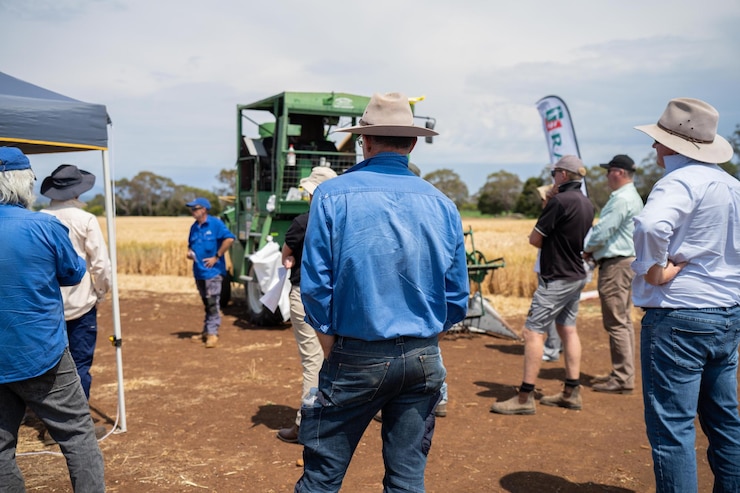
Youth participation and farmer to farmer learning are also strengthened through regional networking platforms. Younger farmers benefit from mentorship opportunities and exposure to successful agricultural models across different countries. This helps build a new generation of farmers who are more innovative and better connected to regional and global markets. Training programmes and agricultural forums within SADC also create opportunities for collaboration between farmers, researchers, and agribusinesses. These interactions support entrepreneurship and encourage investment in the agricultural sector.
Networking with farmers in the Southern African Development Community ultimately contributes to stronger regional food security and economic development. The shared knowledge, improved market access, and coordinated response to challenges create a more stable agricultural environment. By working together through Southern African Development Community, farmers are better positioned to overcome individual limitations and build collective strength. The continued expansion of these networks will remain essential for addressing future challenges in agriculture. Strong regional cooperation ensures that farming communities are not only surviving but actively growing in a changing global landscape.
Join 'Farmers Mag' WhatsApp Channel
Get the latest Farming news and tips delivered straight to your WhatsApp
CLICK HERE TO JOIN